
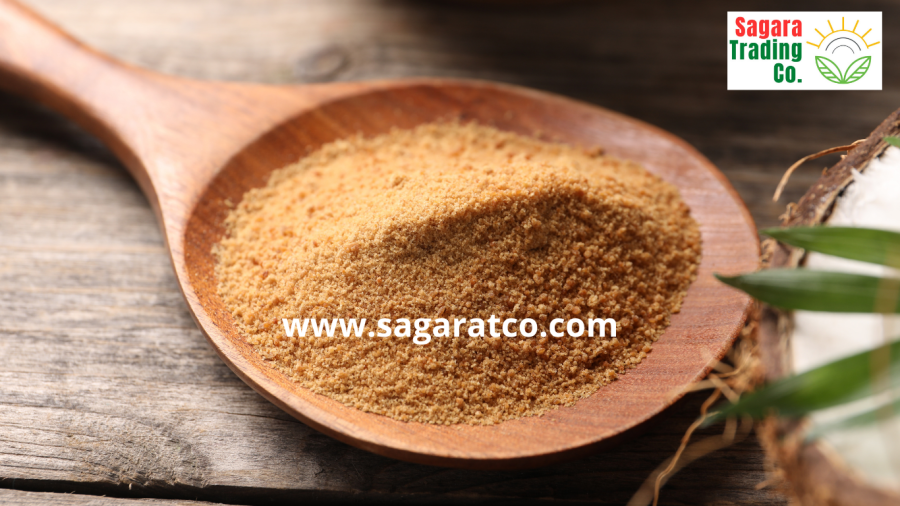
The global demand for natural and sustainable food ingredients continues to reshape the way importers, distributors, and food manufacturers source raw materials. As consumers increasingly look for recognizable ingredients, clean-label products, and plant-based alternatives, coconut sugar has become an increasingly attractive natural sweetener for the international food industry.
For businesses purchasing coconut sugar in commercial quantities, however, choosing the right product involves more than comparing prices. Importers and distributors must evaluate product specifications, quality consistency, certifications, packaging, supply capacity, documentation, logistics, and supplier reliability. This bulk coconut sugar buying guide explains the key factors international buyers should consider when sourcing coconut sugar from Indonesia.
Why Is Bulk Coconut Sugar Becoming More Popular?
Coconut sugar is produced from the sap of coconut palm blossoms and is valued for its distinctive caramel-like flavor and natural origin. It can be used across a wide range of food applications, including bakery products, beverages, granola, protein bars, chocolate, confectionery, sauces, and plant-based foods.
Growing Demand for Natural Ingredients
The global food market is increasingly influenced by trends such as clean-label formulation, plant-based diets, natural ingredients, and responsible sourcing. Coconut sugar fits naturally into these trends because it is a plant-derived sweetener with a recognizable agricultural origin.
For importers, this creates opportunities to supply manufacturers looking for alternatives to conventional refined sweeteners while also offering a distinctive flavor profile.
Key Specifications to Check Before Buying Bulk Coconut Sugar
One of the most important steps in international sourcing is establishing clear product specifications before placing an order.
1. Moisture Content
Moisture can significantly influence coconut sugar quality, texture, shelf life, and storage stability. Excessive moisture may contribute to clumping and quality deterioration during transportation or storage.
Buyers should request the supplier's specification and recent laboratory or quality-control documentation before confirming an order.
2. Color and Flavor
Coconut sugar can vary naturally in color from light golden brown to darker brown. Flavor can also differ depending on raw material and processing conditions.
Importers should define acceptable color, aroma, taste, and granulation requirements according to the intended application.
3. Granulation and Physical Form
Commercial coconut sugar may be available in different forms, including granulated, powdered, or block formats. Granulated coconut sugar is often convenient for industrial food production because it can be weighed, mixed, and incorporated into formulations efficiently.
4. Microbiological and Food Safety Standards
Food manufacturers typically require products that meet appropriate microbiological and food safety specifications. Depending on the destination market, buyers may request documentation covering parameters such as total plate count, yeast and mold, pathogens, heavy metals, pesticide residues, or other relevant contaminants.
Certifications and Documentation for International Buyers
For importers and distributors, documentation is just as important as the physical product.
Organic Certification
If the product will be marketed as organic, buyers should verify that the certification is valid for the intended market. Different countries and regions may have different organic requirements.
Other Important Documents
Depending on the destination country and buyer requirements, an international coconut sugar shipment may require:
-
Certificate of Analysis (COA)
-
Certificate of Origin
-
Health or sanitary documentation
-
Organic certificate, when applicable
-
Product specification sheet
-
Packing list
-
Commercial invoice
-
Shipping documentation
-
Allergen and food safety information
-
Traceability documentation
Working with an experienced Indonesian coconut sugar exporter can simplify this process and reduce potential documentation problems.
Choosing the Right Packaging for Bulk Coconut Sugar
Packaging plays a major role in protecting coconut sugar during international transportation.
Food-Grade Bulk Packaging
Commercial buyers should select food-grade packaging suitable for the product and shipping conditions. Common options may include inner plastic liners combined with durable outer bags or other customized bulk packaging solutions.
Packaging should protect the product from moisture, contamination, physical damage, and excessive exposure to environmental conditions.
Buyers should also confirm whether packaging can be customized according to destination-market requirements, private-label needs, or warehouse handling procedures.
How Much Coconut Sugar Should Importers Buy?
There is no universal ideal order quantity. The appropriate bulk coconut sugar quantity depends on warehouse capacity, sales forecasts, manufacturing requirements, shipping economics, and shelf-life considerations.
Start with a Clear Purchasing Plan
Before negotiating a large order, importers should estimate:
-
Monthly or quarterly demand
-
Expected customer requirements
-
Storage capacity
-
Shipping frequency
-
Desired safety stock
-
Packaging requirements
-
Target delivery schedule
For new supplier relationships, requesting samples or starting with a smaller commercial shipment can also help buyers evaluate consistency before expanding purchasing volumes.
Comparing Coconut Sugar Suppliers: Price Is Not Everything
A low quotation may appear attractive, but the cheapest supplier is not necessarily the most economical option.
Evaluate Total Supply Value
International buyers should consider:
-
Product consistency
-
Quality-control systems
-
Production capacity
-
Export experience
-
Documentation
-
Packaging quality
-
Communication
-
Lead times
-
Logistics support
-
Ability to maintain specifications over repeated orders
A supplier that consistently delivers the agreed specifications can help importers reduce production interruptions, customer complaints, and quality-related losses.
Why Source Coconut Sugar from Indonesia?
Indonesia is one of the world's major coconut-producing countries and has a long agricultural tradition involving coconut cultivation and coconut-based products.
Indonesian coconut sugar offers international buyers a combination of natural flavor, agricultural heritage, and potential supply opportunities. The country's coconut-growing communities also provide an important foundation for developing value-added products from coconut resources.
For international food businesses, bulk Indonesian coconut sugar can therefore be more than a commodity. It can become part of a product story centered on natural ingredients, Indonesian agriculture, sustainability, and responsible sourcing.
Building a Long-Term Supplier Relationship
Successful international sourcing is rarely based on a single transaction. Importers and distributors benefit from suppliers that communicate transparently and understand the importance of consistency.
Questions to Ask Your Coconut Sugar Supplier
Before placing an order, buyers should ask:
-
What are the exact product specifications?
-
What is the moisture specification?
-
What packaging options are available?
-
What certifications are available?
-
Can the supplier provide a current COA?
-
What is the minimum order quantity?
-
What is the production lead time?
-
Can specifications remain consistent across future shipments?
-
What export documents are provided?
-
Can the supplier support customized packaging?
Clear answers to these questions can help international buyers make more confident purchasing decisions.
Conclusion: Buying Bulk Coconut Sugar with Confidence
The growing global interest in natural sweeteners presents significant opportunities for importers and distributors. However, successful bulk coconut sugar sourcing requires careful evaluation of quality, specifications, certifications, packaging, documentation, logistics, and supplier reliability.
Indonesian coconut sugar is particularly well positioned within the global natural food industry because of Indonesia's extensive coconut resources, agricultural heritage, and growing export potential. By choosing a reliable supplier and establishing clear product requirements from the beginning, international buyers can build a more stable and competitive coconut sugar supply chain.
CV Sagara Trading Corp is a trusted exporter of Indonesian coconut sugar, helping international buyers source Indonesian coconut sugar and other agricultural ingredients for global markets. With a focus on quality, reliable communication, and international trade requirements, CV Sagara Trading Corp aims to connect Indonesian agricultural products with importers, distributors, and food manufacturers worldwide.
Get in Touch
Looking for a reliable Indonesian coconut sugar supplier or interested in bulk purchases?
WhatsApp: +62 878 4405 6342
Email: sales@sagaratco.com
Instagram: @sagaratco
Facebook: Sagaratco
Website: www.sagaratco.co
#Sagaratco #OrganicProduct #SustainableTrade #HealthyLiving #NaturalSweetener #CoconutSugar #IndonesiaCoconutSugar #BulkCoconutSugar #CoconutSugarSupplier #CoconutSugarExporter #SustainableFood #EcoFriendlySweetener #OrganicSugar #TropicalTaste #CoconutGoodness #PlantBased #SugarAlternative #HealthyLifestyle #NaturalFlavor #SweetFromNature #CoconutFarmers #IndonesianExport #GlobalMarket #SustainableSweetness #FoodIngredients #BulkIngredients #CVSagaraTradingCorp
Category:


