
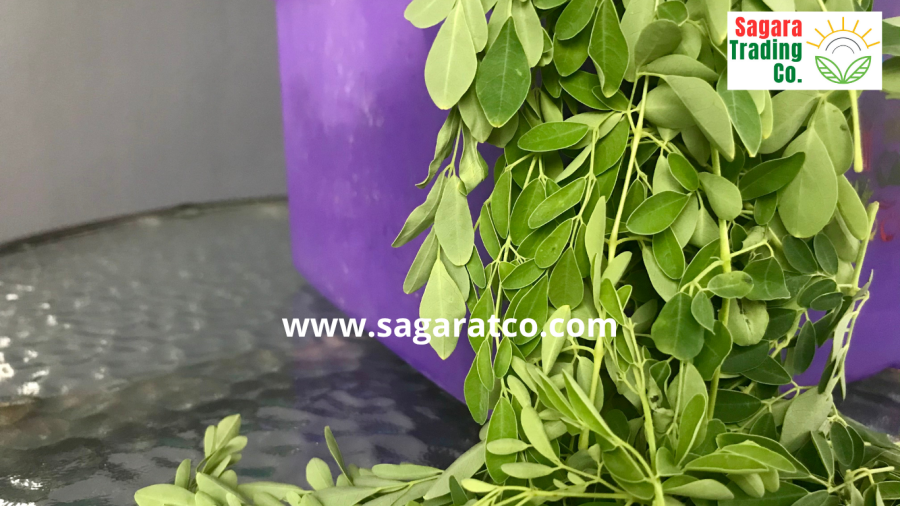
As global demand for natural superfoods continues to grow, Moringa oleifera has become an increasingly popular ingredient among food manufacturers, wellness brands, supplement companies, beverage producers, and health-conscious consumers. Often called the “miracle tree,” moringa is valued for its nutritional composition, versatility, and potential applications across the food and wellness industries.
However, not all moringa powder products are created equally. Differences in cultivation, harvesting, drying, grinding, packaging, storage, and quality control can significantly affect the final product. For importers and distributors, choosing a reliable supplier is therefore essential.
Whether you are sourcing organic moringa powder, bulk moringa powder, Indonesian moringa, or moringa leaf powder for commercial production, this complete buyer's checklist can help you evaluate quality more effectively.
1. Confirm the Botanical Identity
The first step in buying high-quality moringa powder is confirming that the product is genuinely derived from Moringa oleifera leaves.
A reputable supplier should be able to provide clear information about the botanical name, plant part used, country of origin, and processing method. This is especially important for international buyers because different Moringa species or plant parts can have different characteristics.
For commercial applications, botanical traceability provides a stronger foundation for quality assurance and product consistency.
2. Examine the Nutritional Profile
Moringa leaves naturally contain protein, dietary fiber, minerals, carotenoids, and various phytochemicals. Scientific reviews have documented substantial variation in the nutritional composition of moringa products depending on cultivar, geography, soil, climate, harvest timing, and processing conditions.
This means buyers should avoid relying solely on generic statements such as “high in nutrients.”
Instead, ask suppliers for a Certificate of Analysis (COA) or laboratory testing documentation where appropriate. Depending on the intended application, useful parameters may include:
-
Protein
-
Fiber
-
Moisture
-
Ash
-
Mineral composition
-
Microbiological parameters
-
Heavy metals
-
Other relevant specifications
Laboratory results provide a much stronger basis for evaluating a commercial ingredient than marketing claims alone.
3. Check the Color, Aroma, and Appearance
Physical characteristics are important indicators when assessing moringa leaf powder.
High-quality moringa powder generally has a characteristic green appearance and a fresh, herbal aroma. Excessive browning, unusual odors, visible foreign materials, or significant discoloration should prompt further questions about processing and storage.
Color can be affected by drying temperature, exposure to light, oxygen, and storage conditions. Therefore, buyers should establish acceptable product specifications with suppliers rather than assuming that color alone proves quality.
4. Ask About the Drying Process
Drying is one of the most important stages in moringa powder production.
Fresh leaves contain substantial moisture and must be processed carefully to produce a stable powder. Excessive heat or poorly controlled drying can affect color, flavor, and certain nutrients.
Research on moringa leaf powder has shown that processing and drying can influence nutritional composition.
When evaluating a supplier, ask:
-
How are the leaves dried?
-
What temperature range is used?
-
How long does drying take?
-
Is the process standardized?
-
How is moisture controlled after drying?
-
How is the product protected from contamination?
A supplier that can clearly explain its processing system demonstrates stronger quality-management capabilities.
5. Pay Attention to Moisture Content
Moisture is particularly important for moringa powder shelf life and stability.
Excess moisture can encourage microbial growth, affect texture, create clumping, and reduce storage stability. A recent study examining moringa powder storage found that storage temperature and packaging conditions can influence microbial contamination and other quality characteristics.
For importers, moisture should therefore be included among the technical specifications agreed upon before purchasing.
Do not simply ask whether the product is “dry.” Request a measurable specification and, where appropriate, laboratory verification.
6. Verify Microbiological Safety
Because moringa leaves are agricultural products, microbiological quality deserves serious attention.
Potential contaminants can originate from soil, water, handling, equipment, processing environments, transportation, or storage. Studies of commercial moringa products have demonstrated why microbiological testing should be part of a responsible quality-control system.
Depending on market requirements and product application, buyers may request testing for parameters such as:
-
Total plate count
-
Yeast and mold
-
Coliforms
-
E. coli
-
Salmonella
-
Other relevant microorganisms
The exact limits should be aligned with the destination country's applicable food or supplement regulations.
7. Request Heavy Metal Testing
A professional moringa powder buyer's checklist should always consider heavy metals.
Plants can absorb elements from their growing environment, which means soil and agricultural conditions can influence the safety profile of plant-based ingredients. Research has specifically highlighted the importance of monitoring heavy metals in moringa products.
Ask suppliers whether they conduct laboratory testing for relevant contaminants such as:
-
Lead
-
Cadmium
-
Arsenic
-
Mercury
The acceptable limits depend on the destination market and intended use, so international buyers should ensure that test results are evaluated against applicable requirements.
8. Understand the Country of Origin and Farming Practices
For buyers interested in Indonesian moringa powder, origin is an important part of supplier evaluation.
Ask where the moringa is cultivated and whether the supplier can provide information about the farming region, harvesting practices, and traceability system.
Sustainable cultivation can also strengthen the product's value proposition. Moringa is a multipurpose tropical plant with applications in food, wellness, cosmetics, and other industries, making it an attractive crop within diversified agricultural value chains.
For brands targeting environmentally conscious consumers, transparent sourcing can become an important part of the final product story.
9. Evaluate Packaging and Storage
Even excellent moringa powder can lose quality if it is poorly packaged or stored.
Buyers should ask about:
-
Food-grade packaging
-
Moisture barriers
-
Protection from light
-
Oxygen exposure
-
Warehouse conditions
-
Batch identification
-
Production and expiry dates
Packaging should be appropriate for the product's transportation distance and destination climate.
For international shipments, strong packaging is especially important because products may experience changes in temperature and humidity during transportation.
10. Ask for a Certificate of Analysis
A Certificate of Analysis (COA) is one of the most useful documents when purchasing bulk moringa powder.
A COA can provide objective information about a particular batch and may include parameters such as moisture, microbiological results, heavy metals, and nutritional specifications.
However, buyers should examine whether the document is actually linked to the relevant batch and whether the testing laboratory and methods are clearly identified.
A supplier's willingness to provide appropriate documentation can be a valuable indicator of professionalism.
11. Check Certifications Carefully
Certifications can be important depending on your target market and product positioning.
Potential certifications or documentation may include:
-
Organic certification
-
HACCP-related food safety systems
-
GMP-related manufacturing practices
-
ISO-based quality systems
-
Halal certification
-
Other destination-market requirements
Importantly, buyers should distinguish between “organic,” “naturally grown,” and “chemical-free” claims. These terms are not necessarily interchangeable.
If organic status is important to your business, request the relevant certification and verify its validity rather than relying only on supplier marketing language.
12. Evaluate Supplier Consistency and Export Capability
A good supplier is more than a company offering a competitive price.
For international buyers, supplier evaluation should also include:
-
Minimum order quantity
-
Production capacity
-
Lead time
-
Packaging options
-
Batch consistency
-
Export experience
-
Documentation
-
Communication
-
Shipping support
-
Ability to provide samples
A supplier may offer excellent laboratory results for one batch but still struggle with consistency over repeated orders. For manufacturers, batch-to-batch consistency is essential because changes in color, flavor, moisture, or particle size can affect finished products.
Why Indonesian Moringa Powder Is Attracting Global Buyers
Indonesia's tropical agricultural environment provides opportunities for the cultivation of Moringa oleifera and other plant-based commodities. The country's agricultural diversity, combined with increasing international interest in natural ingredients, creates opportunities for Indonesian moringa to enter global food, wellness, beverage, and supplement supply chains.
For importers, sourcing directly from Indonesia can also provide closer access to producers and exporters, potentially improving communication around origin, specifications, packaging, and product requirements.
The key, however, is to choose suppliers based on quality, documentation, consistency, traceability, and service—not simply price.
CV Sagara Trading Corp: A Supplier of Moringa Powder in Indonesia
CV. Sagara Trading Corp is one of the suppliers of moringa powder in Indonesia, offering an opportunity for international importers, distributors, wellness brands, and businesses searching for Indonesian agricultural ingredients.
At CV Sagara Trading Corp, the focus is on connecting Indonesia's agricultural potential with the growing global market for moringa leaf powder and natural plant-based ingredients. For buyers considering bulk purchases, developing functional food products, or expanding their natural ingredient portfolio, establishing a relationship with a reliable Indonesian supplier can support long-term sourcing strategies.
When choosing a moringa supplier, buyers should look beyond promotional claims and focus on measurable specifications, appropriate documentation, quality control, and transparent communication. This approach helps create stronger supply chains and greater confidence in every shipment.
Conclusion
Moringa powder represents an exciting opportunity within the global superfood and natural ingredient market. Its nutritional composition, versatility, and plant-based identity make it attractive for functional foods, beverages, supplements, wellness products, and other applications.
Yet premium moringa powder is defined by more than its green color or attractive marketing story. Quality begins with responsible cultivation and continues through harvesting, drying, processing, testing, packaging, storage, and export.
For importers and distributors, using a detailed buyer's checklist can reduce sourcing risks and support better purchasing decisions. By prioritizing laboratory testing, traceability, supplier transparency, and consistent specifications, businesses can build a stronger foundation for bringing Indonesian moringa powder to consumers around the world.
Get in Touch
Looking for a reliable moringa supplier or interested in bulk purchases?
WhatsApp: +62 878 4405 6342
Email: sales@sagaratco.com
Instagram: @sagaratco
Facebook: Sagaratco
Website: www.sagaratco.co
#MoringaGlobalMarket #MoringaExports #SuperfoodRevolution #SustainableTrade #OrganicMoringa #GlobalWellness #HealthyLiving #GreenEconomy #MoringaLeafPowder #NaturalSupplements #HerbalNutrition #IndonesiaExport #MoringaBusiness #PlantBasedPower #EcoFriendlyFarming #NaturalProducts #MoringaFromIndonesia #TrustedSupplier #CVSagaraTradingCorp #MoringaForTheWorld #SustainabilityMatters #WellnessIndustry #AgriculturalExport #Sagaratco #MoringaInnovation #Moringa #MiracleTree #OrganicSuperfood #NaturalHealth #SustainableFarming #IndonesianMoringa
Category:


