
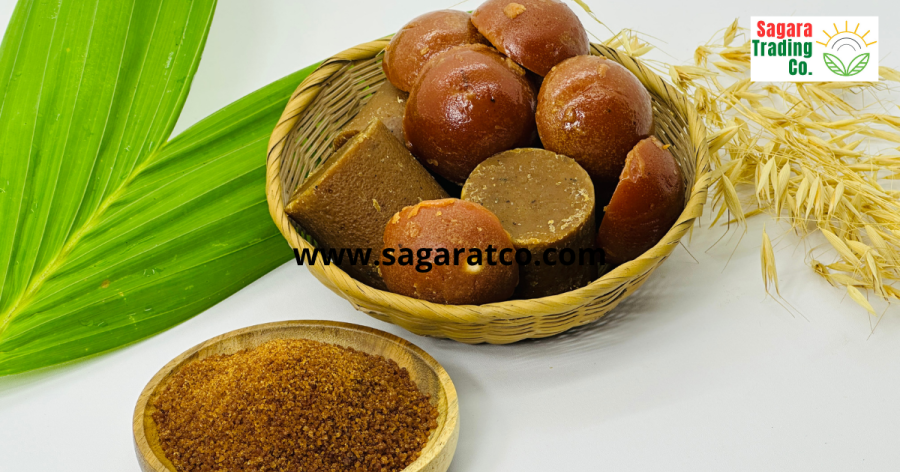
In today’s global food industry, consistency is more than a quality standard—it is a business necessity. As food manufacturers increasingly seek natural sweeteners, clean-label ingredients, and responsibly sourced agricultural products, Indonesian coconut sugar is gaining attention as a versatile alternative to conventional refined sugar.
However, choosing the right coconut sugar supplier involves more than comparing prices or product specifications. For manufacturers, importers, and distributors, coconut sugar batch consistency plays a critical role in maintaining product quality, production efficiency, and customer satisfaction.
For businesses sourcing Indonesian coconut sugar, understanding how batch consistency affects food manufacturing is an important step toward building a reliable and sustainable supply chain.
What Is Coconut Sugar Batch Consistency?
Coconut sugar is produced from the sap of coconut palm blossoms. The sap is collected, heated to evaporate moisture, and processed into a granulated or other suitable form, depending on the intended application.
Although the production process may appear straightforward, natural agricultural ingredients can vary from batch to batch. Differences in raw material characteristics, processing conditions, moisture levels, and storage practices may influence the final product.
Coconut sugar batch consistency refers to the ability of a supplier to deliver products with comparable quality characteristics across multiple production batches.
Key Quality Parameters of Coconut Sugar
Food manufacturers should evaluate several parameters when sourcing bulk coconut sugar:
-
Color: Consistent color helps maintain the expected appearance of finished products, including baked goods, beverages, sauces, and confectionery.
-
Flavor and aroma: Coconut sugar typically offers caramel-like, earthy, and mildly toasted notes. Consistent flavor helps manufacturers maintain their intended product profile.
-
Moisture content: Excess moisture can contribute to clumping and handling difficulties during storage and production.
-
Granulation and particle size: Consistent granule size supports predictable handling, blending, and dissolution.
-
Purity and food safety: Appropriate specifications, supplier documentation, and relevant testing help manufacturers assess product suitability for their intended applications.
These parameters should be evaluated against agreed specifications rather than relying on appearance alone.
Why Batch Consistency Matters for Food Manufacturers
1. Maintaining Consistent Product Quality
Consumers expect their favorite products to taste and look the same every time they purchase them. Whether coconut sugar is used in cookies, granola, plant-based beverages, sauces, or specialty food products, variations in sweetness, color, or flavor may affect the final formulation.
Working with a supplier that maintains clear product specifications helps manufacturers reduce unexpected variations and maintain a recognizable product identity.
2. Improving Production Efficiency
Inconsistent ingredients can create additional challenges during food production. Differences in moisture content or particle size may affect ingredient handling, mixing, and dissolution.
For manufacturers operating at scale, these issues can lead to adjustments in production parameters, additional quality checks, and avoidable waste.
Reliable coconut sugar specifications help purchasing and production teams plan more effectively, particularly when sourcing ingredients in bulk.
3. Supporting Quality Assurance and Traceability
Modern food supply chains increasingly emphasize traceability, documentation, and transparent sourcing.
Importers and distributors need confidence that the coconut sugar they purchase meets agreed requirements. Depending on the application and destination market, relevant documentation may include product specifications, certificates of analysis, food safety documentation, and applicable organic certification.
A structured quality assurance process also helps buyers compare suppliers and investigate differences between batches when they occur.
Indonesian Coconut Sugar: Connecting Traditional Production with Global Demand
Indonesia is well positioned in the coconut sugar market because of its tropical climate, established coconut-growing regions, and agricultural production expertise.
Coconut sugar connects traditional farming practices with the evolving needs of international food manufacturers. Its caramel-like flavor and versatility make it suitable for a range of applications, including bakery products, beverages, snack foods, sauces, and selected confectionery formulations.
At the same time, global interest in natural sweeteners and sustainable food sourcing has encouraged manufacturers to explore ingredients that offer distinctive flavor profiles and a clear agricultural origin.
Is Indonesian Coconut Sugar a Healthier Alternative?
Coconut sugar is often marketed as a natural sweetener, but it is important to distinguish natural origin from nutritional superiority.
Although coconut sugar may retain small amounts of certain minerals, its principal component is still sugar. It should not automatically be considered a low-sugar, low-calorie, or diabetes-friendly alternative to conventional sugar.
For food manufacturers, its potential value lies in its flavor, ingredient characteristics, and suitability for specific formulations. Accurate nutritional information and responsible product claims remain essential when developing consumer-facing products.
Sustainability and Responsible Sourcing
Sustainability is becoming an increasingly important consideration for international buyers. Agricultural sourcing decisions can influence farmer livelihoods, supply chain transparency, resource management, and long-term supplier relationships.
Coconut sugar can support opportunities within coconut-growing communities, but its sustainability performance depends on actual farming practices, processing methods, labor conditions, and sourcing arrangements.
Importers should therefore evaluate supplier transparency and supporting evidence instead of assuming that every coconut sugar product is automatically sustainable or environmentally superior.
How to Choose a Reliable Indonesian Coconut Sugar Supplier
Selecting the right supplier is a strategic decision for food manufacturers and importers. Beyond price, buyers should consider the supplier’s ability to communicate specifications, manage quality expectations, and support repeat orders.
A Practical Checklist for Importers
Before placing a bulk order, consider asking these questions:
-
What product specifications are available for color, moisture content, granulation, and flavor?
-
Can the supplier provide representative samples for evaluation?
-
Are quality control procedures applied consistently across production batches?
-
What food safety documents and laboratory test results are available?
-
Can the supplier explain the product’s origin and sourcing process?
-
What are the minimum order quantity, packaging options, lead time, and export terms?
-
How are complaints, quality deviations, and corrective actions handled?
For long-term purchasing, buyers should also agree on acceptance criteria and documentation requirements before confirming an order. These steps help establish realistic expectations and reduce sourcing risks.
CV Sagara Trading Corp: Your Partner for Indonesian Coconut Sugar
CV Sagara Trading Corp is an Indonesian coconut sugar supplier focused on serving international markets with products such as coconut sugar and moringa powder. The company’s business positioning emphasizes consistent quality, reliable sourcing, transparency, and sustainability.
As global demand for natural food ingredients continues to evolve, CV Sagara Trading Corp aims to connect Indonesian agricultural products with the needs of international buyers, importers, distributors, and food manufacturers.
For businesses looking for an Indonesian coconut sugar supplier, establishing a direct conversation about product specifications, samples, packaging, and bulk purchasing requirements is a practical starting point.
The objective is not simply to source a natural sweetener, but to develop a supply relationship built around clear expectations, product suitability, and long-term cooperation.
Get in Touch with CV Sagara Trading Corp
Looking for a reliable Indonesian coconut sugar supplier or interested in bulk purchases? Contact CV Sagara Trading Corp to discuss your sourcing requirements.
-
WhatsApp: +62 878 4405 6342
-
Email: sales@sagaratco.com
-
Instagram: @sagaratco
-
Facebook: Sagaratco
-
Website: https://www.sagaratco.co
#Sagaratco #CVSagaraTradingCorp #CoconutSugar #IndonesiaCoconutSugar #CoconutSugarSupplier #IndonesianExport #SustainableTrade #NaturalSweetener #FoodManufacturing #BulkCoconutSugar #SustainableFood #OrganicProduct
Category:


