
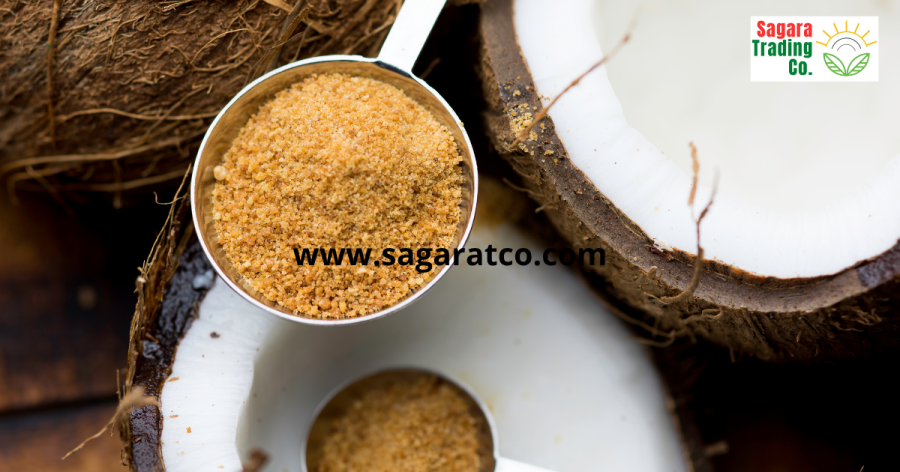
The global demand for natural sweeteners continues to create new opportunities for food manufacturers, importers, distributors, and retailers. Among these ingredients, coconut sugar has gained attention because of its distinctive caramel-like flavor, natural brown color, and connection to tropical agriculture.
For international buyers, purchasing coconut sugar in bulk involves more than simply comparing prices. MOQ, packaging, product specifications, documentation, shipping, and supplier reliability all influence the final cost and success of an import order.
For buyers searching for Indonesian coconut sugar suppliers, CV. Sagara Trading Corp provides an opportunity to source Indonesian agricultural products for international markets. Understanding the bulk ordering process can help buyers make more informed purchasing decisions and build a reliable supply chain.
What Is a Coconut Sugar Bulk Order?
A bulk coconut sugar order generally refers to purchasing significantly larger quantities than retail or small wholesale packaging. Bulk purchasing is commonly used by:
-
Food manufacturers
-
Ingredient distributors
-
Importers
-
Retail brands
-
Bakery manufacturers
-
Beverage companies
-
Snack producers
-
Private-label businesses
-
Foodservice companies
Buying coconut sugar in larger quantities can simplify production planning and potentially improve the purchasing price per kilogram. However, the actual commercial advantage depends on the supplier's MOQ, shipping costs, packaging requirements, destination, and order volume.
Understanding MOQ for Coconut Sugar
MOQ stands for Minimum Order Quantity. It represents the smallest quantity a supplier is prepared to accept for a particular order or product specification.
Why MOQ Matters
MOQ is important because international coconut sugar buyers need to balance inventory requirements with cash flow and storage capacity.
For example, a manufacturer may require a certain quantity for monthly production, while a distributor may need enough inventory to supply multiple customers. A smaller business may prefer a lower MOQ to test the market before committing to a larger shipment.
CV. Sagara Trading Corp can discuss bulk coconut sugar requirements with buyers based on factors such as product specification, packaging format, destination market, and order volume.
Rather than assuming that every supplier has the same MOQ, buyers should request a quotation based on their exact requirements.
Coconut Sugar Packaging for Bulk Orders
Packaging plays an important role in maintaining coconut sugar quality during storage and international transportation.
Common Bulk Packaging Considerations
Depending on the buyer's requirements, coconut sugar may be supplied in packaging formats such as:
-
Food-grade plastic bags
-
Inner liner bags
-
Kraft paper bags
-
Multi-layer bags
-
Cartons
-
Palletized shipments
-
Customized or private-label packaging
The appropriate packaging depends on the buyer's market, warehouse conditions, shipping method, and intended application.
Moisture Protection Is Important
Coconut sugar can be sensitive to moisture. Exposure to humidity may contribute to clumping and changes in texture.
For this reason, international buyers should discuss moisture specifications, inner liners, sealing methods, palletization, storage conditions, and shipping protection with their supplier before confirming an order.
For manufacturers purchasing coconut sugar in bulk, consistent moisture levels can also be important for production performance.
Product Specifications Buyers Should Request
Before placing a bulk coconut sugar order, importers should request a clear product specification sheet.
Important information may include:
-
Product name
-
Origin
-
Ingredient composition
-
Moisture specification
-
Color
-
Particle size
-
Solubility or physical characteristics
-
Microbiological specifications
-
Heavy metal specifications
-
Shelf-life information
-
Packaging specification
-
Storage recommendations
-
Certificate of Analysis (COA)
A Certificate of Analysis can help buyers verify whether a particular batch meets the agreed specifications.
Shipping Indonesian Coconut Sugar Internationally
Once the product and packaging have been confirmed, shipping becomes the next important consideration.
For Indonesian coconut sugar exporters, international shipments may involve ocean freight, depending on the destination and order size. Buyers should consider:
Container and Pallet Planning
The number of cartons or bags that can be loaded depends on the packaging format, pallet configuration, product weight, and container requirements.
Instead of looking only at the product price per kilogram, importers should calculate the landed cost, which may include:
Product cost + packaging + inland transportation + export-related charges + freight + insurance + destination charges + applicable taxes and duties.
This provides a more realistic picture of the total purchasing cost.
Shipping Documents
International buyers should also clarify which export documents will be provided. Depending on the transaction and destination, documentation may include:
-
Commercial invoice
-
Packing list
-
Certificate of Origin
-
Certificate of Analysis
-
Bill of Lading
-
Health or food safety documentation when applicable
-
Organic certification when applicable
-
Other destination-specific documents
Requirements can vary by country, so buyers should confirm import regulations with their customs broker or relevant authorities.
Lead Time and Production Planning
Bulk coconut sugar orders require proper planning. Lead time can depend on order quantity, packaging requirements, production schedules, documentation, and shipping arrangements.
Buyers should ask suppliers about:
Production lead time → Packaging → Quality checking → Documentation → Export preparation → Shipment
This timeline helps manufacturers avoid unexpected inventory shortages.
For businesses purchasing from Indonesia, maintaining communication with a reliable supplier such as CV. Sagara Trading Corp can help buyers coordinate product specifications and shipping requirements more efficiently.
How to Choose a Reliable Coconut Sugar Supplier
Price is only one factor when evaluating an Indonesian coconut sugar supplier.
International buyers should also consider:
Product Consistency
Can the supplier maintain consistent moisture, color, particle size, and quality between batches?
Documentation
Can the supplier provide appropriate COA and export documentation?
Packaging Capability
Can the supplier provide packaging suitable for long-distance transportation and the buyer's storage environment?
Communication
Does the supplier clearly communicate MOQ, production lead time, specifications, and shipping arrangements?
Export Experience
Does the supplier understand international trade requirements and the needs of overseas buyers?
These considerations are particularly important when a buyer plans to establish a long-term supply relationship rather than make a single transaction.
Why Indonesian Coconut Sugar Is Attractive to Global Buyers
Indonesia's tropical climate and extensive coconut agriculture make it an important origin for coconut-based agricultural products. Indonesian coconut sugar also carries a strong origin story connected to coconut-growing communities and traditional agricultural practices.
For global food manufacturers, this creates opportunities to develop products featuring natural sweeteners, tropical ingredients, clean-label concepts, and Indonesian sourcing stories.
However, sustainability and ethical sourcing claims should be supported by appropriate documentation and supplier practices rather than assumed solely from the product's origin.
Bulk Coconut Sugar Ordering Checklist
Before confirming an order, international buyers can use this simple checklist:
-
Confirm coconut sugar specifications.
-
Confirm MOQ.
-
Request current pricing.
-
Confirm packaging format and weight per bag.
-
Check moisture and quality specifications.
-
Request a sample when appropriate.
-
Review the Certificate of Analysis.
-
Confirm production lead time.
-
Calculate estimated landed cost.
-
Confirm shipping terms and responsibilities.
-
Verify export and import documentation.
-
Confirm storage and shelf-life requirements.
A structured purchasing process can reduce misunderstandings and make international sourcing more efficient.
CV. Sagara Trading Corp for Indonesian Coconut Sugar
CV. Sagara Trading Corp is a trusted exporter of Indonesian coconut sugar, including Indonesian coconut sugar for international buyers. CV. Sagara Trading Corp supports importers, distributors, food manufacturers, and businesses interested in sourcing Indonesian natural ingredients for global markets.
For buyers looking for a coconut sugar supplier in Indonesia, CV. Sagara Trading Corp focuses on product quality, clear communication, export preparation, and long-term business relationships. Whether a buyer needs bulk coconut sugar for food manufacturing, distribution, retail, or private-label development, CV. Sagara Trading Corp can be a partner to discuss product and sourcing requirements.
Get in Touch
Looking for a reliable coconut sugar supplier in Indonesia or interested in bulk purchases?
CV. Sagara Trading Corp
WhatsApp: +62 878 4405 6342
Email: sales@sagaratco.com
Instagram: @sagaratco
Facebook: Sagaratco
Website: www.sagaratco.co
#Sagaratco #CVSagaraTradingCorp #OrganicProduct #SustainableTrade #HealthyLiving #NaturalSweetener #CoconutSugar #IndonesiaCoconutSugar #IndonesianCoconutSugar #CoconutSugarSupplier #BulkCoconutSugar #CoconutSugarExporter #SustainableFood #EcoFriendlySweetener #OrganicSugar #TropicalTaste #CoconutGoodness #PlantBased #NaturalFlavor #FoodIngredients #CoconutFarmers #IndonesianExport #GlobalMarket #SustainableSweetness #IndonesiaExporter
Category:


