
The global bakery industry continues to explore new ingredients that deliver distinctive flavors, attractive textures, and consistent product performance. From filled cookies and sweet buns to pastries, cakes, and dessert products, manufacturers are looking for ingredients that help differentiate their products in competitive markets.
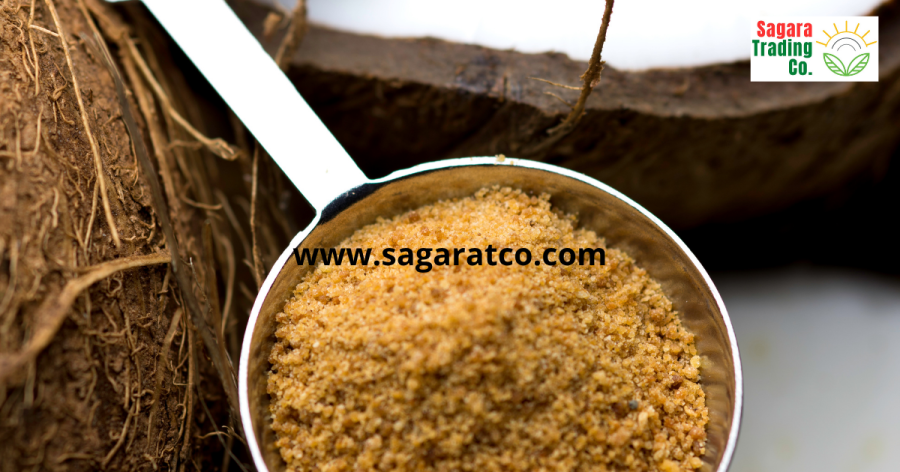
One ingredient worth exploring is coconut sugar. Produced from the sap of coconut blossoms, Indonesian coconut sugar offers a natural golden-brown color and a distinctive caramel-like flavor. These characteristics make it an interesting ingredient for commercial bakery fillings, including fruit-based fillings, chocolate spreads, sweet pastes, and specialty bakery applications.
For food manufacturers and international buyers, understanding how to use coconut sugar in bakery fillings can support product innovation and more informed ingredient sourcing decisions.
Why Use Coconut Sugar in Bakery Fillings?
Coconut sugar provides sweetness along with a warm flavor profile that can complement many bakery ingredients.
Unlike refined white sugar, which generally provides a relatively neutral sweetness, coconut sugar contributes caramel-like and toasted notes. Its natural color can also influence the appearance of the final filling.
1. Enhancing Flavor Complexity
Coconut sugar pairs well with ingredients such as chocolate, cinnamon, vanilla, nuts, coffee, and tropical fruits.
For example, a chocolate bakery filling made with coconut sugar can develop a deeper sweet flavor with caramel-like notes. In fruit fillings, it can complement ingredients such as banana, pineapple, and coconut.
2. Creating Attractive Natural Color
The golden-brown color of coconut sugar may contribute to the appearance of bakery fillings.
Depending on the formulation, it can create warm brown tones in caramel-style fillings, cinnamon pastes, and chocolate-based products.
3. Supporting Product Differentiation
Consumers increasingly explore products featuring recognizable ingredients and distinctive flavor combinations. Indonesian coconut sugar gives bakery brands an opportunity to develop products with a tropical ingredient story.
However, coconut sugar is still an added sugar. Manufacturers should avoid automatically describing it as a low-calorie or healthier alternative to conventional sugar.
Five Bakery Filling Applications Using Coconut Sugar
1. Chocolate Bakery Filling
Coconut sugar can be combined with cocoa powder or melted chocolate, milk ingredients, and suitable fats to create a rich chocolate filling.
Its caramel-like notes may complement the bitterness of cocoa, making it suitable for filled buns, cookies, brownies, and pastries.
2. Cinnamon and Brown Sugar Filling
Coconut sugar works naturally with cinnamon, butter or plant-based fat, and selected spices.
This combination can be explored for cinnamon rolls, sweet bread, pastries, and filled biscuits.
3. Coconut and Tropical Fruit Filling
For tropical bakery concepts, coconut sugar can be paired with grated coconut, pineapple, banana, or other fruit ingredients.
This creates opportunities for products inspired by Indonesian and Southeast Asian flavors.
4. Nut-Based Bakery Filling
Coconut sugar can complement peanut, almond, cashew, and hazelnut-based fillings.
Manufacturers can explore sweet nut pastes for cookies, sandwich biscuits, pastries, and filled snack products.
5. Coffee and Caramel Filling
Coffee and coconut sugar offer an interesting flavor combination. The roasted character of coffee can balance the sweetness and caramel-like notes of coconut sugar.
This pairing can be developed for premium pastries, coffee-flavored buns, and specialty dessert products.
Formulation Tips for Commercial Bakery Producers
Using coconut sugar in commercial bakery fillings requires attention to ingredient functionality, processing conditions, and final product stability.
1. Evaluate Sweetness and Inclusion Levels
Coconut sugar may have a different sweetness perception from refined sugar because of its distinctive flavor profile.
Manufacturers should conduct small-scale formulation trials to determine the appropriate inclusion level without overpowering other ingredients.
2. Control Moisture and Texture
Moisture management is important in bakery fillings. The water content of the formulation can influence viscosity, filling stability, and the potential for moisture migration into the surrounding dough or pastry.
Coconut sugar should be evaluated as part of the complete formulation rather than as an isolated ingredient.
3. Consider Dissolution and Particle Size
Granule size can influence how quickly coconut sugar dissolves during processing.
Fine granules may be useful in certain filling applications, while coarser materials may require additional mixing or dissolution steps. Manufacturers should assess the appropriate product specification for their equipment and production process.
4. Monitor Heating Conditions
Heating affects the color, aroma, and consistency of sugar-containing fillings.
Excessive heating may create overly dark flavors or undesirable burnt notes. Temperature and processing time should therefore be tested for each formulation.
5. Test Shelf Life and Packaging
Commercial bakery fillings need suitable stability throughout storage and distribution.
Manufacturers should evaluate water activity, pH where relevant, microbiological safety, packaging compatibility, and shelf-life performance using appropriate testing procedures.
Why Indonesian Coconut Sugar Is Relevant to Global Bakery Markets
Indonesia has established agricultural communities and coconut-growing regions that provide opportunities for sourcing coconut-based ingredients.
For international bakery manufacturers, Indonesian coconut sugar offers a distinctive ingredient option for developing filled cookies, pastries, sweet breads, confectionery, and specialty desserts.
When choosing a bulk coconut sugar supplier in Indonesia, buyers should evaluate product specifications, moisture content, granule size, color, aroma, packaging, and available quality documentation.
Reliable communication and representative samples are also important before confirming commercial orders.
CV Sagara Trading Corp: Your Indonesian Coconut Sugar Sourcing Partner
CV Sagara Trading Corp, operating under the Sagaratco brand, is an Indonesian coconut sugar supplier focused on connecting Indonesian-origin products with international markets. With an emphasis on reliable sourcing, product information, and professional communication, Sagaratco aims to support importers, distributors, and food manufacturers seeking Indonesian coconut sugar and other agricultural commodities.
For commercial bakery producers interested in exploring coconut sugar for bakery fillings, CV Sagara Trading Corp welcomes inquiries about product specifications, availability, and bulk purchasing opportunities.
Get in Touch CV. Sagara Trading Corp
Looking for a reliable Indonesian coconut sugar supplier or interested in bulk purchases?
-
WhatsApp: +62 878 4405 6342
-
Email: sales@sagaratco.com
-
Instagram: @sagaratco
-
Facebook: Sagaratco
-
Website: https://www.sagaratco.co
#Sagaratco #CVSagaraTradingCorp #CoconutSugar #IndonesiaCoconutSugar #CoconutSugarSupplier #BakeryIngredients #BakeryFillings #FoodManufacturing #NaturalSweetener #IndonesianExport #SustainableTrade #FoodInnovation #BakeryIndustry #GlobalFoodMarket
Category:


