
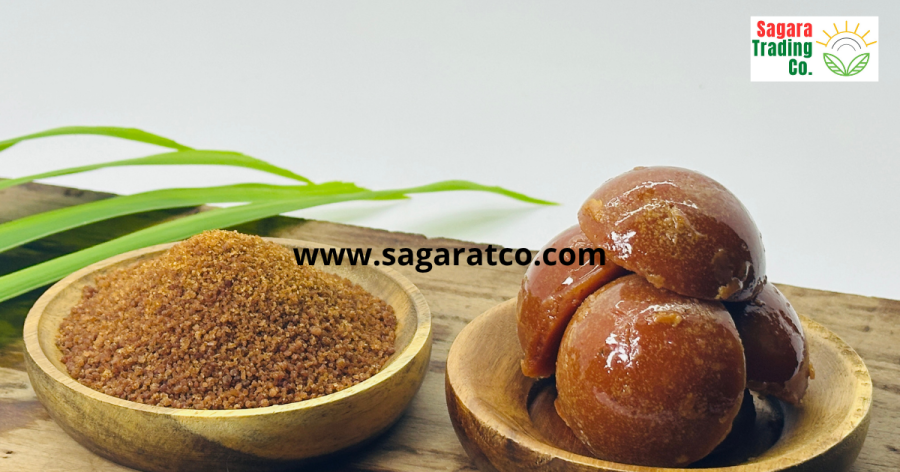
The global breakfast food industry is evolving as consumers increasingly seek products made with recognizable ingredients, natural flavors, and responsibly sourced raw materials. From granola and muesli to toasted cereals and nutritious breakfast clusters, manufacturers are exploring alternatives to conventional refined sweeteners. One ingredient gaining attention is coconut sugar, particularly coconut sugar sourced from Indonesia.
For cereal manufacturers, coconut sugar offers more than sweetness. Its naturally caramel-like flavor, distinctive color, and versatility can contribute to the sensory identity of breakfast products while supporting clean-label and natural ingredient positioning. For international buyers, Indonesian coconut sugar also represents an opportunity to incorporate a tropical agricultural ingredient into modern food innovation.
Why Coconut Sugar Is Attractive for Cereal Manufacturers
Breakfast cereals require sweetening systems that can deliver flavor while working effectively with grains, nuts, seeds, fruits, and other ingredients. Coconut sugar can be incorporated into different cereal formulations depending on the desired texture, flavor, and processing method.
A Distinctive Natural Flavor
One of the most appealing characteristics of coconut sugar is its warm, caramel-like flavor. Compared with highly refined white sugar, it can provide additional sensory depth to breakfast products.
This makes coconut sugar particularly interesting for premium cereal, granola, and muesli manufacturers looking to create products with a more distinctive flavor profile.
Suitable for Clean-Label Product Development
Clean-label food development continues to influence product innovation worldwide. Consumers often prefer ingredient lists that are easy to understand and recognize.
Coconut sugar can support this positioning as a naturally derived sweetener. However, manufacturers should avoid assuming that "natural" automatically means healthier. Coconut sugar is still a source of sugar and should be formulated responsibly according to the nutritional goals of the finished product.
How Coconut Sugar Works in Cereal Production
Coconut sugar can be used in several ways depending on the product category.
Granola and Cluster Products
In granola production, sweeteners can help bind oats, nuts, seeds, and other ingredients into clusters. Coconut sugar can contribute sweetness and caramelized flavor during heating.
Its flavor can pair especially well with ingredients such as almonds, cashews, cinnamon, cocoa, coconut, dried fruit, and seeds.
Ready-to-Eat Breakfast Cereals
Coconut sugar may also be incorporated into extruded or processed cereal formulations. The appropriate application depends on the manufacturing process, ingredient ratios, moisture level, and desired final texture.
Manufacturers should conduct pilot trials to determine the optimal dosage and processing conditions.
Muesli and Cereal Mixes
For products that are not subjected to extensive baking or extrusion, coconut sugar can be used as part of the overall sweetening system. Particle size becomes particularly important because consistent granulation helps manufacturers achieve more uniform ingredient distribution.
Important Specifications for Bulk Buyers
For cereal manufacturers purchasing coconut sugar internationally, flavor alone is not enough. Consistency and technical specifications are essential for reliable production.
Particle Size and Granulation
Different granulations can influence mixing, dissolution, and distribution throughout a cereal blend. Manufacturers should specify the required particle size according to their equipment and product design.
Fine granulation may be useful where rapid dispersion is required, while medium or coarser particles can contribute to texture and visual appeal.
Moisture Content
Moisture management is another critical consideration. Excess moisture can contribute to clumping and may affect handling, storage, and processing performance.
A reliable coconut sugar supplier for cereal manufacturers should provide clear specifications and appropriate export packaging to help protect the ingredient during transportation and storage.
Food Safety and Documentation
International cereal manufacturers should also evaluate microbiological quality, foreign matter controls, packaging standards, traceability, shelf-life information, and relevant food safety documentation before purchasing bulk coconut sugar.
Why Indonesian Coconut Sugar Fits the Global Breakfast Trend
Indonesia has a long tradition of coconut cultivation and coconut-based food production. Coconut sugar is produced from coconut blossom sap, which is collected and processed into a concentrated sweetener.
For international food companies, sourcing coconut sugar from Indonesia can connect modern breakfast innovation with an agricultural ingredient rooted in Southeast Asian farming traditions.
The opportunity extends beyond product formulation. Responsible sourcing can contribute to rural livelihoods and create stronger connections between farmers, processors, exporters, and international food brands.
As consumers increasingly look for natural ingredients and sustainability stories, Indonesian coconut sugar can provide both a distinctive sensory profile and a compelling ingredient origin.
Choosing the Right Coconut Sugar Supplier
Cereal manufacturers should evaluate suppliers based on more than price. A dependable supplier should be able to discuss:
-
Product specifications
-
Particle size and consistency
-
Moisture control
-
Packaging options
-
Production and processing practices
-
Food safety requirements
-
Export experience
-
Batch consistency
-
Documentation and traceability
-
Minimum order quantities and logistics
Requesting samples before committing to a large shipment is also a practical step. Manufacturers can test the coconut sugar directly in their cereal or granola formulation and assess flavor, color, texture, processing behavior, and finished-product performance.
The Future of Coconut Sugar in Breakfast Foods
The breakfast category is increasingly moving toward products that combine convenience, taste, recognizable ingredients, and sustainability. Coconut sugar can fit this direction when used thoughtfully.
For cereal manufacturers, its greatest advantage may not be simply replacing refined sugar. Instead, it can help create a distinctive natural flavor profile and support the development of premium granola, cereal, muesli, and breakfast snack products.
As global food brands continue experimenting with plant-based and naturally sourced ingredients, Indonesian coconut sugar has strong potential to become a valuable ingredient in the next generation of breakfast products.
Get in Touch
Looking for a reliable Indonesian coconut sugar supplier or interested in bulk purchases?
WhatsApp: +62 878 4405 6342
Email: sales@sagaratco.com
Instagram: @sagaratco
Facebook: Sagaratco
Website: www.sagaratco.co
#Sagaratco #OrganicProduct #SustainableTrade #HealthyLiving #NaturalSweetener #CoconutSugar #IndonesiaCoconutSugar #CerealManufacturers #BreakfastFoods #Granola #NaturalIngredients #SustainableFood #EcoFriendlySweetener #OrganicSugar #PlantBased #SugarAlternative #HealthyLifestyle #NaturalFlavor #CoconutFarmers #IndonesianExport #GlobalMarket #SustainableSweetness #FoodManufacturing #CVSagaraTradingCorp
Category:


