
The global chocolate industry is evolving as consumers increasingly look for products made with recognizable ingredients, distinctive flavors, and responsibly sourced raw materials. Alongside premium cocoa, food manufacturers are exploring alternative sweeteners that can provide a unique sensory experience while supporting natural and clean-label product concepts.
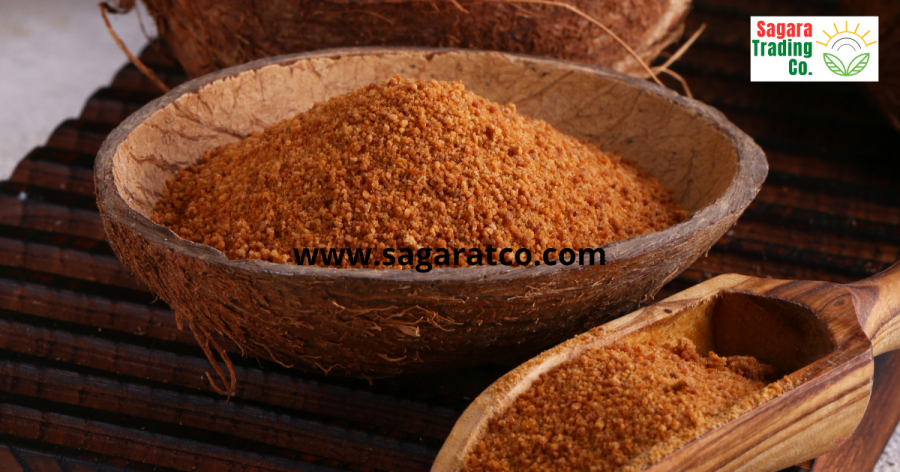
One ingredient attracting growing attention is coconut sugar. Produced from the sap of coconut palm blossoms, coconut sugar has a naturally warm color and caramel-like flavor that can complement cocoa. However, using coconut sugar in chocolate manufacturing requires careful formulation because the sweetener can influence sweetness, flavor, color, texture, and processing characteristics.
For manufacturers sourcing Indonesian coconut sugar for chocolate, understanding these factors is essential for creating a balanced and consistent product.
Why Use Coconut Sugar in Chocolate Manufacturing?
Chocolate formulation depends on a delicate balance between cocoa solids, cocoa butter, sugar, milk ingredients, and other components. Changing the type of sugar can therefore alter the sensory profile of the finished chocolate.
A Distinctive Caramel-Like Flavor
Unlike refined white sugar, coconut sugar has its own characteristic flavor. Depending on the product and processing conditions, it may contribute notes that can be perceived as caramel-like, toasted, or mildly earthy.
These characteristics can work particularly well with cocoa. Dark chocolate, cacao nibs, roasted nuts, coffee, vanilla, cinnamon, and coconut can all create complementary flavor combinations.
However, manufacturers should conduct sensory trials because the intensity of coconut sugar's flavor can vary according to the product specification and processing conditions.
Supporting a Natural Ingredient Story
Coconut sugar can also support product concepts centered around natural sweeteners, recognizable ingredients, and clean-label positioning.
It is important to distinguish marketing positioning from nutritional claims. Coconut sugar remains an added sugar, so replacing refined sugar with coconut sugar does not automatically make chocolate a low-sugar or healthier product.
Balancing Sweetness With Cocoa Flavor
One of the biggest formulation challenges is finding the right relationship between sweetness and cocoa intensity.
Dark Chocolate
Dark chocolate generally contains a higher proportion of cocoa solids, creating stronger bitter and roasted notes. Coconut sugar can add sweetness while introducing additional flavor complexity.
Too much sweetener, however, may reduce the perceived intensity of cocoa. Manufacturers should therefore test different sugar levels to determine how sweetness affects the desired cocoa profile.
Milk Chocolate
Milk chocolate already contains sweetness and creamy dairy characteristics. Coconut sugar may introduce additional caramel notes that complement these flavors, but the formulation must be carefully balanced to avoid overpowering the milk and cocoa components.
Chocolate Snacks and Confections
Coconut sugar can also be explored in chocolate-coated nuts, energy bars, truffles, granola clusters, and other confectionery products. In these applications, its flavor can interact with multiple ingredients rather than cocoa alone.
Important Formulation Considerations
Using coconut sugar for chocolate manufacturing requires attention to more than taste.
Particle Size and Refining
Sugar particle size can influence the mouthfeel of chocolate. Chocolate manufacturers typically require a very smooth texture, so the selected coconut sugar specification and refining process should be compatible with the manufacturer's equipment and formulation.
Inadequately refined sugar particles can potentially create a gritty sensation.
Moisture Content
Moisture is another important consideration. Excessive moisture can affect ingredient handling and may create processing challenges in chocolate production.
Importers should therefore establish clear coconut sugar moisture specifications and request appropriate quality documentation before purchasing in bulk.
Color
Coconut sugar naturally has a brown color. While this can complement dark chocolate and rustic chocolate products, it may affect the visual appearance of lighter chocolate formulations.
Manufacturers should evaluate color alongside the desired final product specification.
Indonesian Coconut Sugar for Global Chocolate Brands
Indonesia has a strong coconut-growing tradition and provides an important source of coconut-derived agricultural ingredients. This creates opportunities for international chocolate manufacturers seeking Indonesian coconut sugar suppliers.


For international buyers, sourcing decisions should consider more than geographic origin. Important supplier requirements may include:
-
Consistent color and flavor
-
Controlled moisture content
-
Appropriate particle size
-
Food safety specifications
-
Microbiological testing
-
Heavy metal testing where applicable
-
Product traceability
-
Suitable packaging
-
Shelf-life information
-
Export documentation
-
Organic certification when required
A consistent raw material is especially important for chocolate manufacturers because changes in sugar characteristics can affect the sensory profile and processing behavior of the finished product.
Coconut Sugar and the Sustainable Food Trend
The global food industry is increasingly interested in agricultural ingredients that can fit into broader sustainability and responsible-sourcing strategies. Coconut-based ingredients are receiving attention because coconut palms can produce multiple useful products from agricultural landscapes.
However, sustainability should be evaluated across the entire supply chain, including farming practices, processing, packaging, transportation, farmer relationships, and resource management.
For chocolate brands, this creates an opportunity to develop products with a compelling ingredient story while maintaining focus on measurable quality and responsible sourcing.
How Manufacturers Should Test Coconut Sugar
Before introducing coconut sugar into a commercial chocolate recipe, product developers should conduct pilot-scale trials.
Evaluate:
-
Sweetness: Does the sugar provide the desired level of sweetness?
-
Cocoa perception: Does it complement or mask the cocoa character?
-
Texture: Is the finished chocolate smooth enough?
-
Color: Does the natural brown color match the product concept?
-
Processing: Does it perform consistently during mixing and refining?
-
Storage: Does the finished chocolate maintain the desired characteristics over time?
- These trials allow manufacturers to establish an appropriate specification before moving to large-scale purchasing.
Choosing a Reliable Coconut Sugar Supplier
For international chocolate manufacturers, supplier consistency is critical. A supplier should be able to communicate clearly about coconut sugar specifications, batch consistency, quality testing, packaging, and export requirements.
Buyers should also request a Certificate of Analysis (COA) and confirm that the tested batch corresponds to the shipment. Where necessary, additional independent laboratory testing can be incorporated into the buyer's quality-control program.
The Future of Coconut Sugar in Chocolate
As premium chocolate continues to evolve, manufacturers are exploring new combinations of cocoa, natural sweeteners, plant-based ingredients, and distinctive flavor profiles.
Coconut sugar for chocolate manufacturing offers an interesting formulation opportunity because its caramel-like character can complement cocoa while providing a different sensory experience from conventional refined sugar.
The key is balance. Successful chocolate development requires coconut sugar to enhance the product without overwhelming the characteristics that consumers expect from quality cocoa.
For manufacturers sourcing from Indonesia, careful supplier qualification, product testing, and formulation trials can help transform coconut sugar from a simple sweetening ingredient into part of a distinctive chocolate concept.
CV Sagara Trading Corp – Indonesian Coconut Sugar Exporter
CV Sagara Trading Corp is a trusted exporter of Indonesian coconut sugar, connecting international importers, distributors, and food manufacturers with quality ingredients from Indonesia. For businesses seeking Indonesian coconut sugar for chocolate, confectionery, bakery, and other food applications, CV Sagara Trading Corp supports bulk sourcing with a focus on reliable supply, quality-conscious service, and long-term international business relationships.
Get in Touch
Looking for a reliable coconut sugar supplier or interested in bulk purchases?
WhatsApp: +62 878 4405 6342
Email: sales@sagaratco.com
Instagram: @sagaratco
Facebook: Sagaratco
Website: www.sagaratco.co
#Sagaratco #OrganicProduct #SustainableTrade #HealthyLiving #NaturalSweetener #CoconutSugar #IndonesiaCoconutSugar #CoconutSugarSupplier #ChocolateManufacturing #Cocoa #ChocolateIndustry #FoodManufacturing #NaturalIngredients #CleanLabelFood #SustainableFood #OrganicSugar #PlantBased #Confectionery #IndonesianExport #GlobalMarket #CoconutFarmers #PremiumChocolate #SustainableSweetness #CVSagaraTradingCorp
Category:


