
The global demand for convenient, naturally positioned snacks continues to reshape the food industry. Energy bars, protein bars, granola bars, and functional snack products are increasingly being developed with recognizable ingredients, plant-based components, and alternative sweeteners. Among these ingredients, coconut sugar is attracting attention from food manufacturers looking for a naturally derived sweetening option with a distinctive flavor and color.
For manufacturers, however, selecting coconut sugar for an energy bar involves more than replacing refined sugar. The sweetener can influence taste, texture, binding, moisture, color, processing, and shelf stability. Understanding these formulation considerations is essential for producing consistent commercial energy bars.
Why Use Coconut Sugar in Energy Bars?
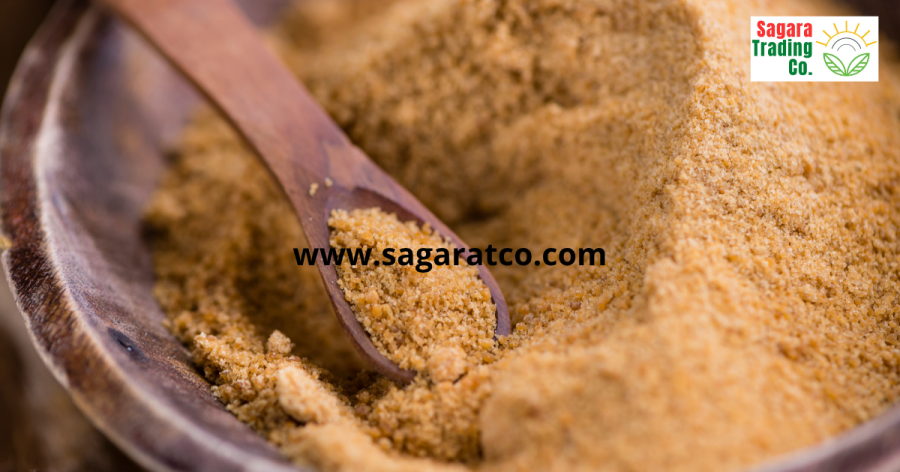
Coconut sugar is produced from the sap of coconut palm blossoms and has a characteristic caramel-like flavor and brown color. These qualities can complement common energy bar ingredients such as oats, nuts, seeds, coconut, cacao, dried fruits, and plant-based proteins.
Natural Flavor and Color
One of the main reasons manufacturers consider coconut sugar for energy bars is its distinctive sensory profile. Its naturally warm color can contribute to a golden-brown or caramel appearance, while its flavor can add depth to formulations.
This can be particularly useful for brands developing products positioned around natural ingredients, tropical flavors, or minimally processed ingredient concepts.
Sweetness and Formulation Balance
Coconut sugar can provide sweetness while contributing its own flavor characteristics. Food developers should therefore consider the overall sweetness profile of the recipe rather than treating coconut sugar as a completely neutral sweetener.
Ingredients such as dates, raisins, honey, fruit concentrates, or chocolate may already contribute significant sweetness. The amount of coconut sugar should be adjusted accordingly to achieve the desired taste without making the finished product excessively sweet.
Key Formulation Considerations
Using coconut sugar successfully in commercial energy bars requires attention to several technical factors.
1. Moisture Content
Moisture is particularly important in energy bar production. The moisture level of coconut sugar can influence the texture and handling characteristics of the final product.
Excessive moisture may contribute to softening or clumping, while a very dry formulation may produce a bar that is too firm or crumbly depending on the other ingredients.
Manufacturers should establish appropriate specifications for coconut sugar moisture content and evaluate the interaction between the sweetener and other moisture-containing ingredients.
2. Binding and Texture
Energy bars typically require a binding system to hold ingredients together. Depending on the recipe, binders may include syrups, nut butters, fruit pastes, or other ingredients.
Coconut sugar can participate in the overall solids and sweetness balance, but it should not automatically be considered the primary binder. Product developers should conduct formulation trials to determine how it affects firmness, chewiness, cohesiveness, and bite.
3. Particle Size
Coconut sugar granulation can influence dispersion throughout an energy bar mixture. Fine particles may distribute differently from larger crystals and can affect the texture of the finished product.
For industrial production, consistent particle size can help improve mixing efficiency and batch-to-batch uniformity.
4. Flavor Compatibility
Coconut sugar has a naturally recognizable flavor that works well with many popular energy bar ingredients.
It can pair particularly well with:
-
Almonds and peanuts
-
Cashews
-
Oats
-
Coconut
-
Cacao and chocolate
-
Cinnamon
-
Vanilla
-
Sesame
-
Dried fruits
-
Seeds
These combinations can help manufacturers create distinctive flavor profiles without relying heavily on artificial flavor systems.
Coconut Sugar and the Clean-Label Snack Trend
The clean-label movement continues to influence product development worldwide. Consumers increasingly pay attention to ingredient lists and show interest in foods containing recognizable, naturally sourced ingredients.


For brands, coconut sugar can support a natural sweetener and clean-label positioning, although it is important to remember that coconut sugar remains an added sugar and should not automatically be presented as a health food ingredient.
Its strongest formulation advantages are often related to its flavor, color, ingredient story, and versatility.
Why Indonesian Coconut Sugar Is Important for Global Manufacturers
Indonesia is one of the world's important coconut-producing countries, creating opportunities for international buyers seeking coconut-derived ingredients.
Indonesian coconut sugar can be used in various food applications, including energy bars, protein snacks, granola, bakery products, beverages, sauces, and confectionery.
For importers, sourcing from Indonesia can also provide access to an agricultural supply chain with strong experience in coconut-based products. However, manufacturers should evaluate suppliers based on measurable specifications rather than origin alone.
Important purchasing considerations include:
-
Moisture content
-
Color and flavor consistency
-
Particle size
-
Food safety requirements
-
Microbiological specifications
-
Packaging
-
Shelf life
-
Batch consistency
-
Traceability
-
Export documentation
-
Organic certification, when required
Practical Tips for Food Manufacturers
Before scaling an energy bar formula into commercial production, manufacturers should conduct pilot trials using the exact coconut sugar specification intended for the final product.
Test how the ingredient performs during mixing, heating, cooling, forming, cutting, and packaging. Finished bars should also be evaluated for texture, color, flavor, moisture migration, and storage stability.
Supplier Consistency Matters
A formulation may perform well during development but behave differently if the raw material characteristics change significantly between batches.
For this reason, food manufacturers should work with a reliable coconut sugar supplier capable of maintaining agreed specifications and providing appropriate quality documentation.
The Future of Coconut Sugar in Energy Bars
As the global snack industry continues moving toward convenient, plant-based, naturally positioned, and clean-label products, coconut sugar has potential as a versatile ingredient for energy bar manufacturers.
Its caramel-like flavor and natural brown color can complement modern snack formulations, while Indonesian sourcing provides an opportunity for brands to incorporate a distinctive agricultural ingredient into their supply chains.
The key to successful commercialization is not simply choosing a natural sweetener—it is understanding how that ingredient interacts with the entire formulation.
CV Sagara Trading Corp – Indonesian Coconut Sugar Exporter
CV Sagara Trading Corp is a trusted exporter of Indonesian coconut sugar, connecting international importers, distributors, and food manufacturers with quality ingredients from Indonesia. For businesses seeking Indonesian coconut sugar for energy bars, snacks, bakery products, and other food applications, CV Sagara Trading Corp supports reliable sourcing and bulk ingredient requirements.
Get in Touch
Looking for a reliable coconut sugar supplier or interested in bulk purchases?
WhatsApp: +62 878 4405 6342
Email: sales@sagaratco.com
Instagram: @sagaratco
Facebook: Sagaratco
Website: www.sagaratco.co
#Sagaratco #OrganicProduct #SustainableTrade #HealthyLiving #NaturalSweetener #CoconutSugar #IndonesiaCoconutSugar #CoconutSugarSupplier #EnergyBars #FoodManufacturing #CleanLabelFood #FunctionalFoods #NaturalIngredients #PlantBased #HealthySnacks #SustainableFood #OrganicSugar #CoconutFarmers #IndonesianExport #GlobalMarket #SustainableSweetness #CVSagaraTradingCorp
Category:


