
The global coffee industry continues to evolve as consumers seek convenient beverages with distinctive flavors and ingredient options that suit their preferences. Instant coffee mixes remain popular because they are easy to prepare, convenient to transport, and adaptable to different markets. From classic three-in-one coffee to premium latte powders and specialty coffee blends, manufacturers are exploring new ingredients to differentiate their products.
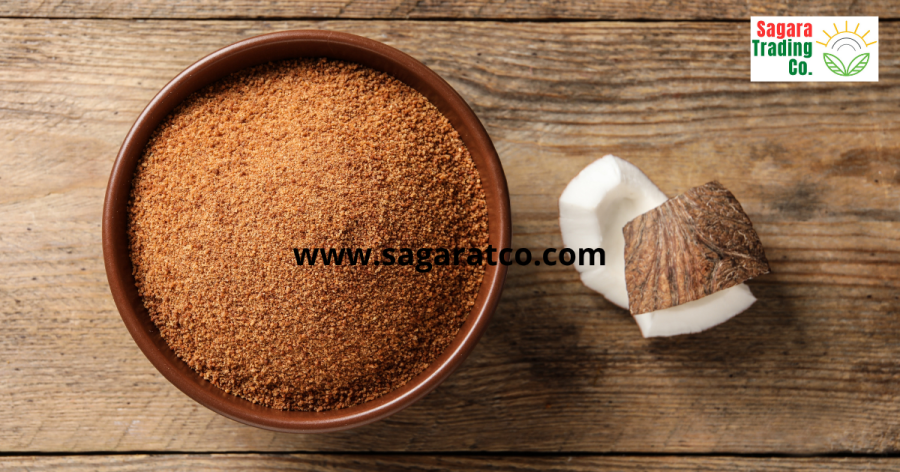
One ingredient worth exploring is coconut sugar. Made from the sap of coconut palm flowers, coconut sugar offers a characteristic caramel-like flavor that can complement roasted coffee, cocoa, and creamy beverage ingredients. For manufacturers developing innovative instant coffee mixes, Indonesian coconut sugar presents an opportunity to explore a tropical-origin sweetener with potential applications in modern beverage formulations.
For importers, distributors, and coffee brands, the key is to evaluate coconut sugar not only for its flavor but also for its technical performance, quality specifications, supply consistency, and suitability for the intended product.
Why Consider Coconut Sugar for Instant Coffee Mixes?
1. A Caramel-Like Flavor That Complements Coffee
Coffee flavor is influenced by roast level, origin, processing, and formulation. Coconut sugar typically contributes warm caramel or toasted-sugar notes that may complement medium- and dark-roasted coffee.
This makes it worth testing in products such as:
-
Three-in-one instant coffee mixes
-
Instant cappuccino and latte powders
-
Mocha and chocolate coffee beverages
-
Premium instant coffee blends
-
Coffee mixes with cinnamon or other complementary flavors
The final flavor depends on the coconut sugar specification, dosage, coffee profile, and other ingredients. Product developers should conduct sensory trials before selecting a formulation for commercial production.
2. An Alternative Ingredient for Product Differentiation
Food and beverage brands are paying attention to ingredient origin, product storytelling, and consumer interest in plant-derived ingredients. Coconut sugar can offer a distinctive alternative to conventional sweeteners in selected formulations.
However, coconut sugar is still a form of sugar and contributes to the product's total sugar content. It should not automatically be marketed as low-calorie, low-sugar, or suitable for people with diabetes. Brands should use accurate nutritional information and ensure that marketing claims comply with regulations in their target markets.
3. Opportunities for Premium and Specialty Coffee Products
Coconut sugar may be particularly interesting for brands targeting specialty-inspired instant coffee, tropical flavor concepts, or products that highlight Indonesian ingredients.
For example, a coffee manufacturer could test coconut sugar in a premium latte mix to determine whether its caramel notes create a more rounded flavor. A distributor serving specialty food retailers might also explore Indonesian-origin ingredients as part of a differentiated product range.
Product Development Tips for Instant Coffee Manufacturers
Evaluate Sweetness and Ingredient Balance
Coconut sugar should be tested alongside the coffee, creamer, milk powder, cocoa, and flavoring ingredients used in the recipe. Changing the sweetener may affect not only sweetness but also aroma, color, and the overall balance of the beverage.
Begin with controlled bench trials using different inclusion levels. Evaluate sweetness, aftertaste, aroma, and consumer acceptance before scaling up to pilot production.
Check Solubility and Powder Performance
Instant coffee mixes need to disperse effectively when consumers add hot water. Coconut sugar's particle size, moisture content, and physical characteristics can affect blending, dissolution, and handling.
Manufacturers should assess:
-
Particle size: Does the ingredient blend evenly with the other powders?
-
Moisture content: Is it suitable for the intended dry-mix application?
-
Flowability: Can the ingredient be handled and dosed consistently?
-
Dissolution: Does the finished beverage dissolve acceptably under the intended preparation conditions?
-
Color and aroma: Do they match the desired product profile?
Pilot testing is essential because performance depends on the complete formulation, production process, and packaging environment.
Consider Shelf Life and Packaging
Instant coffee mixes are sensitive to moisture and may develop caking or lose quality if exposed to unsuitable storage conditions. Coconut sugar specifications, blending conditions, packaging barriers, and warehouse practices should therefore be evaluated together.
Packaging with appropriate moisture protection can help preserve the physical quality of the finished mix. Manufacturers should establish shelf-life requirements through product-specific testing rather than relying on assumptions about individual ingredients.
Sourcing Indonesian Coconut Sugar for Bulk Production
Indonesia is an important origin for coconut-based agricultural products, and Indonesian coconut sugar offers an ingredient option for international food and beverage manufacturers. For companies purchasing coconut sugar in bulk, sourcing decisions should consider product quality, commercial requirements, and the supplier's ability to communicate clearly.
Before placing an order, importers and coffee manufacturers should request representative samples and review the following details:
-
Product specifications, including moisture, color, aroma, and granulation
-
Food safety documentation and applicable microbiological criteria
-
Available packaging formats and minimum order quantities
-
Batch consistency and traceability information
-
Current availability, lead time, and shipping arrangements
-
Applicable export documents and destination-market requirements
-
Organic certification, if organic claims are required
Buyers should verify documentation and certifications directly with the supplier. Organic status, food safety compliance, and other claims must be supported by appropriate evidence for the product and intended market.
How CV Sagara Trading Corp Supports Indonesian Product Sourcing
CV Sagara Trading Corp, operating under the Sagaratco brand, is an Indonesian coconut sugar supplier focused on international markets. The company aims to connect buyers with Indonesian-origin agricultural products through professional communication, sourcing discussions, and attention to buyer requirements.
For importers, distributors, and beverage manufacturers exploring Indonesian coconut sugar, CV Sagara Trading Corp provides a point of contact to discuss product availability, specifications, bulk purchasing requirements, and export-related questions. Buyers should confirm current product details, certifications, packaging options, and supply arrangements directly with the company.
As instant coffee brands continue to explore new flavor profiles and ingredient concepts, Indonesian coconut sugar may offer a useful option for product development. Careful formulation trials and transparent sourcing are essential to turning that opportunity into a commercially suitable product.
Get in Touch with CV Sagara Trading Corp
Looking for an Indonesian coconut sugar supplier or interested in bulk purchasing opportunities? Contact CV Sagara Trading Corp to discuss your sourcing requirements.
-
WhatsApp: +62 878 4405 6342
-
Email: sales@sagaratco.com
-
Instagram: @sagaratco
-
Facebook: Sagaratco
-
Website: https://www.sagaratco.co
#Sagaratco #CVSagaraTradingCorp #CoconutSugar #IndonesiaCoconutSugar #CoconutSugarSupplier #InstantCoffeeMix #CoffeeManufacturing #NaturalSweetener #BeverageIngredients #BulkCoconutSugar #IndonesianExport #FoodInnovation #SustainableTrade #SustainableFood
Category:


