
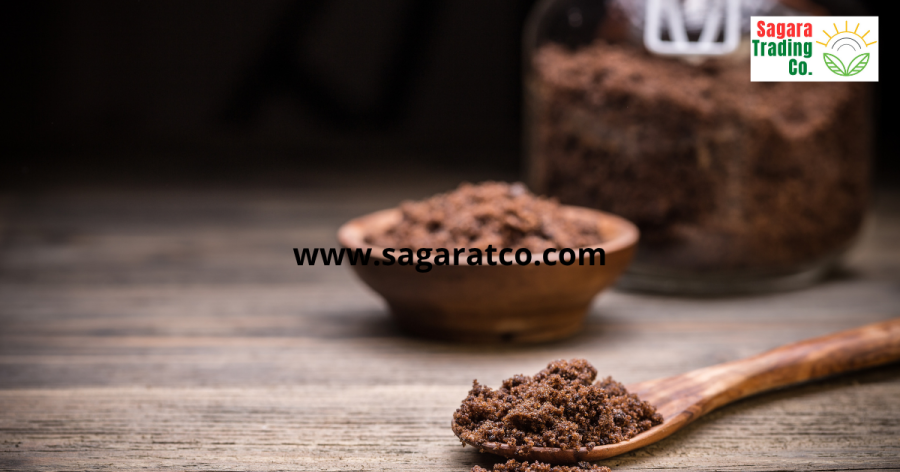
The global food industry is evolving as manufacturers, distributors, and consumers increasingly explore natural sweeteners, transparent sourcing, and more sustainable agricultural supply chains. Among the ingredients attracting international attention, Indonesian coconut sugar offers an appealing combination of traditional production methods, distinctive caramel-like flavor, and versatile applications across the food and beverage industry.
For international buyers, however, sourcing coconut sugar involves more than comparing prices and product samples. Understanding import documentation, food safety requirements, product specifications, and country-of-origin rules is essential to ensuring a smooth transaction.
CV Sagara Trading Corp supports international sourcing interests in Indonesian agricultural products, including coconut sugar and moringa powder. For buyers exploring a reliable coconut sugar supplier in Indonesia, understanding the documentation process is an important first step toward building a long-term business relationship.
Why Indonesian Coconut Sugar Matters in the Global Market
Indonesia has a long tradition of coconut cultivation, supported by tropical growing conditions and farming communities experienced in producing coconut-derived ingredients.
Coconut sugar is generally made by collecting sap from coconut flower stalks and heating it to reduce moisture. The resulting sugar can be processed into granules, crystals, or other commercial forms, depending on the production method and buyer requirements.
Its naturally occurring caramel-like flavor makes it suitable for bakery products, sauces, beverages, confectionery, and specialty food formulations.
As demand for ingredient transparency grows, international buyers increasingly evaluate suppliers based on quality consistency, traceability, food safety, and responsible sourcing practices.
Although coconut sugar may contain small amounts of naturally occurring minerals, it remains an added sugar. It should not automatically be considered healthier than other sugars, and nutritional claims must be supported by reliable evidence.
For importers, the commercial opportunity lies in sourcing a versatile Indonesian agricultural ingredient while ensuring that quality and regulatory requirements are properly addressed.
Essential Coconut Sugar Import Documentation
The documents required to import coconut sugar from Indonesia depend on the destination country, product classification, shipping method, and applicable food regulations. Buyers should confirm the requirements with their customs broker and relevant authorities before shipment.
1. Commercial Invoice
The commercial invoice records the sale between the exporter and importer. It helps customs authorities assess the declared value of the goods.
A coconut sugar commercial invoice typically includes:
-
Exporter and importer information.
-
Product description and country of origin.
-
Quantity, unit price, and total value.
-
Currency and payment terms.
-
Applicable Incoterms and invoice number.
All information should match the purchase agreement and other shipping documents.
2. Packing List
The packing list describes how the goods are packaged for transportation.
For bulk coconut sugar shipments, it generally specifies the number of packages, net weight, gross weight, packaging type, and dimensions where applicable.
Accurate information helps importers coordinate freight handling, warehouse preparation, and inventory management.
3. Certificate of Origin
A Certificate of Origin (COO) identifies the country in which the goods originate under the applicable rules.
For Indonesian coconut sugar, this document may support customs clearance and help establish eligibility for preferential tariffs under relevant trade agreements.
Importers should verify whether a standard or preferential certificate is required. Preferential tariff treatment is not automatic and depends on the applicable agreement and origin criteria.
4. Bill of Lading or Air Waybill
The Bill of Lading (B/L) is commonly used for sea freight, while an Air Waybill (AWB) is used for air cargo.
These documents contain important transportation information, including the shipper, consignee, destination, and shipment details.
Before dispatch, buyers should ensure that the transport documents accurately reflect the agreed shipping arrangements.
5. Certificate of Analysis
A Certificate of Analysis (COA) provides laboratory results for specified quality and safety parameters.
Depending on the buyer's specifications and destination-market requirements, coconut sugar testing may cover:
-
Moisture content.
-
Sugar composition.
-
Microbiological parameters.
-
Heavy metals and relevant contaminants.
-
Other agreed physical or chemical characteristics.
A COA linked to the relevant batch helps buyers evaluate product consistency and determine whether the shipment meets contractual specifications.
6. Food Safety and Import Compliance Documents
Some markets require additional permits, food facility registrations, health documentation, declarations, or other regulatory information.
Requirements differ by country. Importers selling into the United States or European Union, for example, should check applicable food safety, labeling, traceability, and import-control rules.
A phytosanitary certificate is not automatically required for every processed coconut sugar shipment. Its applicability depends on the destination country's rules and the nature of the product.
7. Organic Certification, When Applicable
Buyers purchasing certified organic coconut sugar must verify that the product and supply chain satisfy the destination market's organic requirements.
Depending on the market, additional transaction-specific documentation or import certification may be necessary.
An organic certificate alone does not necessarily establish that a particular shipment can be sold as organic in every country. Buyers should confirm certification validity, product coverage, and recognition under the relevant regulatory system.
How to Avoid Coconut Sugar Import Delays
Import documentation errors can result in customs delays, additional charges, or rejected shipments. A structured preparation process can help reduce these risks.
Verify Product Specifications Before Ordering
Agree on the product grade, color, flavor, moisture limits, granule size, packaging, shelf life, and intended application before confirming a bulk order.
Buyers should also clarify whether the product is conventional or certified organic and request relevant supporting documentation.
Confirm the HS Code and Applicable Duties
The Harmonized System (HS) code determines the customs classification of a product. Classification depends on product characteristics and the importing country's tariff schedule.
Importers should confirm the correct code with a qualified customs broker rather than assuming that all coconut sugar products share the same classification.
Cross-Check Every Document
Ensure that the commercial invoice, packing list, transport document, certificate of origin, and relevant product certificates contain consistent information.
Discrepancies in quantities, weights, product descriptions, or consignee details should be resolved before shipment.
Establish Documentation Responsibilities
Before placing an order, agree on who will arrange each document, when it will be issued, and who will cover associated costs.
The agreed Incoterms, payment terms, and shipping arrangements should be clearly documented to prevent misunderstandings between buyer and exporter.
Choosing a Reliable Coconut Sugar Supplier in Indonesia
Selecting an exporter is an important part of successful international sourcing. Buyers should evaluate product quality, communication, traceability, packaging capabilities, production arrangements, and documentation readiness.
Requesting product samples and reviewing specifications before committing to a large order can help businesses assess whether the ingredient meets their intended application.
A professional supplier should also communicate clearly about available products, minimum order quantities, lead times, certifications, and shipment preparation.
Who Is CV Sagara Trading Corp?
CV Sagara Trading Corp is an Indonesian agricultural products trading company focused on connecting Indonesian products with international markets. Its product interests include coconut sugar and moringa powder, serving the needs of businesses exploring agricultural ingredients for food, beverage, and wellness-related applications.
Sagara emphasizes quality, transparent sourcing, and sustainability as important principles in developing business relationships. For international buyers, the company aims to facilitate product discussions, clarify sourcing requirements, and coordinate relevant export documentation according to the agreed transaction.
For businesses looking for an Indonesian coconut sugar supplier, direct communication with CV Sagara Trading Corp can help establish product specifications, confirm availability, and clarify the documentation needed for a particular destination market. Buyers should verify product-specific certifications and shipment requirements before placing an order.
Frequently Asked Questions
What documents are needed to import coconut sugar from Indonesia?
Common documents include a commercial invoice, packing list, and bill of lading or air waybill. A certificate of origin and additional food safety, laboratory, import permit, or organic documents may be required depending on the destination market.
Is a Certificate of Analysis mandatory?
Not in every market. A COA may be required by regulations, the buyer's contract, or internal quality standards. It is nevertheless valuable for verifying product specifications and supporting quality control.
Can Indonesian coconut sugar be imported as an organic product?
Yes, provided the product and supply chain meet the applicable organic requirements and the necessary certification and shipment documentation are in place.
How can buyers source bulk coconut sugar from Indonesia?
Start by identifying your required specifications, packaging, order quantity, and destination market. Request samples and supporting documentation, verify import requirements, and agree on pricing, payment terms, and shipment responsibilities before confirming the purchase.
Conclusion
Importing Indonesian coconut sugar successfully requires preparation, accurate documentation, and cooperation between buyers, exporters, freight partners, and customs professionals. By understanding the applicable import requirements and evaluating suppliers carefully, international businesses can reduce avoidable risks and build more dependable sourcing relationships.
CV Sagara Trading Corp welcomes inquiries from international buyers interested in Indonesian coconut sugar, moringa powder, and other agricultural products. Contact the team to discuss bulk purchasing, product specifications, and export sourcing requirements.
Get in Touch with CV Sagara Trading Corp
Looking for a reliable Indonesian coconut sugar supplier or interested in bulk purchases? Connect with our team to discuss your requirements.
-
WhatsApp: +62 878 4405 6342
-
Email: sales@sagaratco.com
-
Instagram: @sagaratco
-
Facebook: Sagaratco
-
Website: https://www.sagaratco.co
#Sagaratco #CVSagaraTradingCorp #CoconutSugar #IndonesiaCoconutSugar #CoconutSugarSupplier #CoconutSugarExporter #CoconutSugarImport #ImportDocumentation #IndonesianExport #NaturalSweetener #OrganicProduct #SustainableTrade #SustainableFood #FoodIngredients #GlobalSourcing #FoodSafety #HealthyLiving
Category:


