
The global plant-based beverage industry continues to create opportunities for brands seeking new flavors, versatile ingredients, and product concepts that appeal to changing consumer preferences. From oat milk and almond milk to soy, coconut, and blended plant-based drinks, manufacturers are exploring ways to improve taste while developing distinctive beverage experiences.
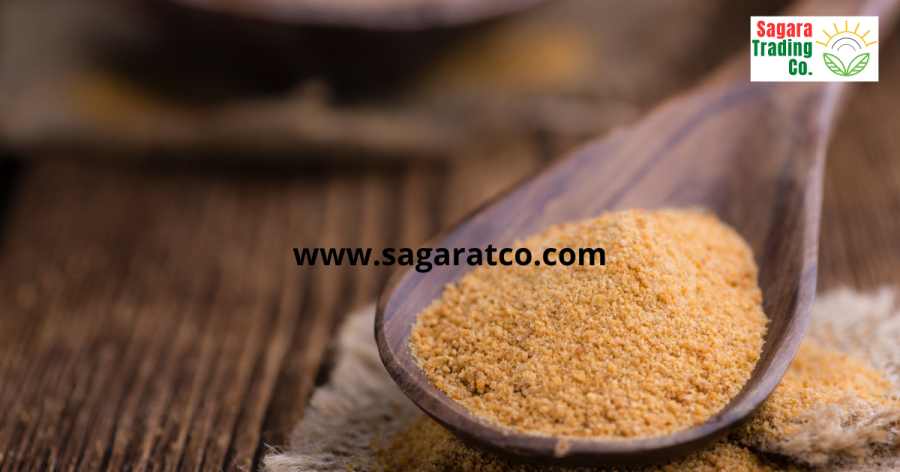
One ingredient gaining attention in natural sweetening discussions is coconut sugar. Produced from the sap of coconut palm flowers, coconut sugar offers a warm, caramel-like flavor that can complement the nutty, creamy, and earthy notes found in many plant-based milk formulations.
For beverage brands, Indonesian coconut sugar represents an ingredient opportunity worth exploring. Indonesia has a long-standing tradition of coconut cultivation and coconut-based food production, making Indonesian coconut sugar relevant to international buyers looking for distinctive tropical ingredients.
Why Coconut Sugar Is Worth Exploring in Plant-Based Milk
1. A Distinctive Flavor Profile
Flavor is one of the most important factors in plant-based beverage development. Some alternatives to dairy milk have naturally mild, nutty, or cereal-like notes that can benefit from carefully selected sweeteners.
Coconut sugar typically offers a light to rich caramel-like taste, depending on the product and processing method. This flavor can work well in oat milk, soy milk, almond-based beverages, plant-based coffee drinks, and flavored dairy alternatives.
For example, a beverage brand developing a plant-based latte may explore coconut sugar to create a rounded sweetness that complements roasted coffee notes. Similarly, chocolate, vanilla, cinnamon, and tropical-inspired beverages may benefit from its distinctive flavor profile.
2. Opportunities for Natural Ingredient Positioning
Consumers increasingly examine ingredient lists and look for products that align with their preferences for recognizable ingredients and plant-based foods. Coconut sugar can be considered by manufacturers developing products positioned around plant-derived ingredients and alternative sweeteners.
However, brands should communicate its role accurately. Coconut sugar is still an added sugar and should not automatically be described as low-calorie, low-sugar, or suitable for people with diabetes. Its nutritional impact depends on the quantity used and the overall formulation.
3. Innovation Across Beverage Categories
Coconut sugar can be tested in several plant-based beverage applications, including:
-
Oat milk: A caramel note may complement the cereal-like flavor of oats.
-
Almond milk: Its sweetness may balance nutty flavor characteristics.
-
Soy milk: It may help round out the flavor of flavored soy beverages.
-
Plant-based coffee drinks: It can complement espresso, mocha, and latte profiles.
-
Ready-to-drink beverages: It may be explored in chocolate, vanilla, and tropical-inspired formulations.
The suitability of coconut sugar depends on the beverage's target flavor, sweetness level, processing conditions, and stability requirements.
Formulation Considerations for Beverage Manufacturers
Sweetness, Solubility, and Texture
When developing plant-based milk with coconut sugar, manufacturers should assess sweetness intensity, dissolution, color impact, and mouthfeel. The ingredient's composition and particle size may affect how it disperses, particularly in cold beverages.
Product developers should conduct trials at different inclusion levels and evaluate the results in both freshly prepared and processed samples. Fine granulation or a suitable liquid ingredient format may be worth considering, depending on the manufacturer's equipment and process.
Color and Flavor Stability
Coconut sugar can influence the final color of a beverage, often adding a beige or light-brown tone. This may suit chocolate, coffee, and caramel-style drinks, but it may be less desirable in products intended to have a very white or neutral appearance.
Heat treatment, pH, storage conditions, and interactions with proteins or other ingredients can also affect a beverage's flavor and stability. Pilot testing is essential before moving to commercial production.
Quality and Food Safety Requirements
Beverage manufacturers and ingredient buyers should evaluate coconut sugar specifications before purchasing in bulk. Important considerations include moisture content, granulation, color, aroma, foreign matter, microbiological criteria, packaging, and batch consistency.
Importers should also confirm applicable food safety documentation, traceability information, and regulatory requirements in the destination market. Organic claims should only be used when supported by valid certification applicable to the product and market.
Indonesian Coconut Sugar: An Opportunity for Global Beverage Brands
Indonesia is an established origin for coconut-based agricultural products, and its coconut sugar can offer international beverage manufacturers a distinctive ingredient option. For importers and distributors, sourcing from Indonesia may support product development across natural sweeteners, specialty beverages, bakery applications, and other food categories.
Successful sourcing requires more than selecting an ingredient based on origin. Buyers should compare product specifications, request representative samples, confirm packaging and minimum order quantities, and assess the supplier's ability to provide consistent documentation and communication.
For brands exploring coconut sugar in plant-based milk, early collaboration between the ingredient supplier and formulation team can help determine whether the ingredient meets the desired taste, appearance, processing, and commercial requirements.
How CV Sagara Trading Corp Supports Indonesian Ingredient Sourcing
CV Sagara Trading Corp is an Indonesian coconut sugar supplier focused on connecting Indonesian-origin products with international markets. Through Sagaratco, the company presents Indonesian agricultural ingredients to businesses seeking sourcing opportunities for global trade.
For importers, distributors, and food manufacturers exploring Indonesian coconut sugar, CV Sagara Trading Corp aims to support sourcing discussions built around product requirements, transparent communication, and the needs of international buyers. Buyers should confirm current availability, specifications, certifications, and export documentation directly with the company before placing an order.
As interest in plant-based beverages and alternative sweeteners continues to evolve, Indonesian coconut sugar offers beverage brands another flavor option to evaluate in their product development journey.
Get in Touch with CV Sagara Trading Corp
Looking for an Indonesian coconut sugar supplier or interested in bulk purchasing opportunities? Contact CV Sagara Trading Corp to discuss your ingredient sourcing requirements.
-
WhatsApp: +62 878 4405 6342
-
Email: sales@sagaratco.com
-
Instagram: @sagaratco
-
Facebook: Sagaratco
-
Website: https://www.sagaratco.co
#Sagaratco #CVSagaraTradingCorp #CoconutSugar #IndonesiaCoconutSugar #CoconutSugarSupplier #PlantBasedMilk #PlantBasedBeverages #NaturalSweetener #SustainableTrade #IndonesianExport #FoodInnovation #BeverageManufacturing #BulkCoconutSugar #SustainableFood
Category:


