
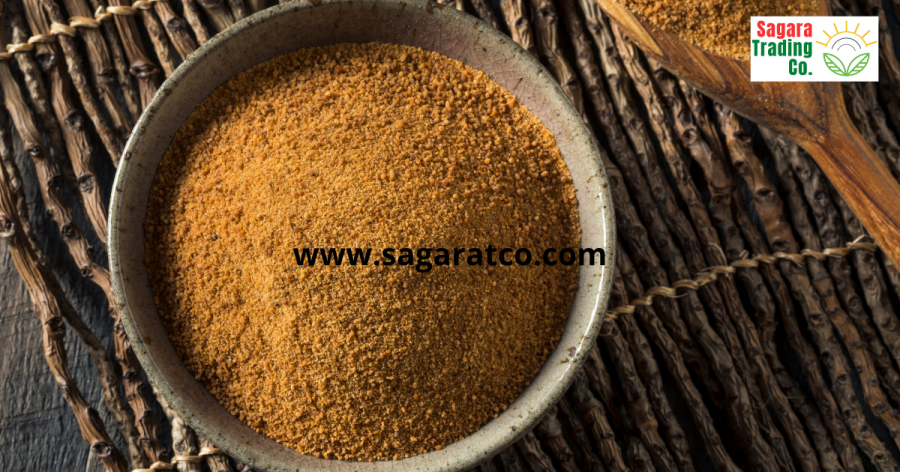
International trade offers exciting opportunities for food importers, distributors, and manufacturers seeking natural sweeteners. As global interest in ingredient transparency and diversified food sourcing continues to grow, Indonesian coconut sugar has become an ingredient worth exploring for international markets. However, sourcing a quality product is only one part of a successful import transaction. Understanding shipping responsibilities, transportation costs, and delivery risks is equally important.
For businesses purchasing coconut sugar in bulk, Incoterms help clarify the responsibilities of buyers and sellers throughout the shipping process. This guide explains the most relevant Incoterms for coconut sugar imports from Indonesia and how CV Sagara Trading Corp can serve as a sourcing contact for international buyers.
What Are Incoterms in Coconut Sugar Export?
Incoterms, short for International Commercial Terms, are internationally recognized rules published by the International Chamber of Commerce (ICC). They define specific responsibilities between sellers and buyers in international sales contracts, including delivery obligations, transportation arrangements, cost allocation, and the transfer of risk.
For importers purchasing Indonesian coconut sugar, Incoterms help answer practical questions:
-
Who arranges transportation from the supplier's warehouse?
-
Who pays for export clearance and freight?
-
Who is responsible for cargo insurance under the selected rule?
-
At what point does the risk of loss or damage transfer from seller to buyer?
-
Who handles import clearance and destination charges?
The applicable Incoterms rule should be stated clearly in the sales contract, together with the named port, place, or delivery point and the version being used, such as Incoterms® 2020.
Common Incoterms for Indonesian Coconut Sugar Imports
1. EXW (Ex Works)
Under EXW, the seller makes the goods available at the agreed location, typically its premises or warehouse. The buyer generally assumes extensive responsibility for collection, transportation, export and import formalities, and associated costs.
For coconut sugar importers, EXW may provide greater control over logistics when they have an established freight-forwarding network. However, buyers unfamiliar with Indonesian export procedures should clarify how export clearance will be handled before agreeing to EXW.
2. FOB (Free On Board)
FOB is commonly used for sea and inland waterway transport. Under FOB, the seller delivers the goods on board the vessel nominated by the buyer at the named port of shipment. The seller handles export clearance, while the buyer generally arranges and pays for the main sea freight and subsequent transportation.
For example, an agreement might specify FOB Tanjung Priok, Jakarta, Incoterms® 2020, if that is the agreed loading port and the transaction meets the rule's requirements.
FOB can suit importers who want control over ocean freight and have established relationships with shipping providers. It is intended for sea or inland waterway transport, rather than container shipments where the seller hands the goods to a carrier at a terminal before loading on board.
3. CIF (Cost, Insurance and Freight)
Under CIF, the seller pays the cost of transportation and arranges the required minimum cargo insurance to the named destination port. However, the risk transfers to the buyer once the goods are loaded on board the vessel at the port of shipment—not when they arrive at the destination.
CIF can be convenient for coconut sugar importers who prefer the seller to arrange ocean freight and insurance. Buyers should still check the insurance coverage, destination charges, and whether additional protection is necessary.
Like FOB, CIF is designed for sea and inland waterway transport.
4. FCA (Free Carrier)
FCA allows the seller to deliver the goods to the buyer's nominated carrier at an agreed location. The seller handles export clearance, and risk transfers according to the delivery point and the rule's requirements.
FCA is often worth considering for containerized coconut sugar shipments, particularly when goods are handed to a carrier at a warehouse, container terminal, or other agreed location before ocean loading.
5. DAP (Delivered at Place) and DDP (Delivered Duty Paid)
Under DAP, the seller arranges transportation to the agreed destination, with the goods made available for unloading. The buyer generally handles import clearance and pays applicable import duties and taxes.
Under DDP, the seller assumes broader responsibilities, including import clearance and applicable duties and taxes, subject to the seller's ability to perform those obligations in the destination country.
For importers who want delivery closer to their warehouse, DAP may offer a practical arrangement. DDP can simplify the buyer's responsibilities, but its feasibility depends on local regulations, tax requirements, and the seller's ability to act as importer or arrange compliant import clearance.
How to Choose the Right Incoterm for Coconut Sugar
The best Incoterm depends on your purchasing experience, shipment size, logistics capabilities, and destination market.
Before placing a bulk order, consider the following:
-
Total landed cost: Calculate product price, inland transport, export charges, ocean or air freight, insurance, import duties, taxes, customs clearance, and destination handling fees.
-
Shipping method: Determine whether the shipment is containerized, transported by another sea-freight arrangement, or sent by air.
-
Risk allocation: Understand exactly when responsibility for loss or damage transfers.
-
Insurance coverage: Confirm the required coverage and whether additional insurance is appropriate.
-
Import requirements: Check destination-country food safety rules, labeling, documentation, and customs procedures.
-
Supplier capabilities: Confirm which export and logistics arrangements the supplier can realistically support.
Comparing quotations under the same Incoterm is essential. A lower EXW price, for example, cannot be fairly compared with a CIF price without accounting for the additional costs and responsibilities.
Why Incoterms Matter for Sustainable Food Sourcing
The global food industry increasingly considers supply chain transparency, transportation efficiency, and responsible sourcing alongside ingredient quality. Indonesian coconut sugar can be used in bakery products, beverages, confectionery, and other food formulations, making it relevant to a wide range of international buyers.
Clear Incoterms help businesses plan shipping arrangements, allocate responsibilities, and identify potential logistics costs before goods leave Indonesia. Better planning can also reduce avoidable delays, improve shipment coordination, and support more predictable procurement.
However, Incoterms do not independently establish product quality, organic status, sustainability credentials, or compliance with food safety standards. Buyers should separately verify product specifications, certificates, traceability information, and any environmental claims.
What Importers Should Confirm Before Ordering
Before confirming an Indonesian coconut sugar purchase, request a written quotation that includes the product grade, packaging specifications, quantity, price, named delivery point, applicable Incoterms version, estimated lead time, and payment terms.
Also clarify the required export documents, such as the commercial invoice, packing list, transport document, certificate of origin where applicable, and any product-specific certificates required by the destination market.
Agree on a clear process for handling discrepancies between the agreed product specifications and the delivered goods. A detailed contract helps both parties understand their obligations and reduces the likelihood of costly misunderstandings.
CV Sagara Trading Corp: Your Indonesian Coconut Sugar Sourcing Partner
CV Sagara Trading Corp is an Indonesian coconut sugar supplier focused on serving international markets with products including coconut sugar and moringa powder. The company aims to connect buyers with Indonesian agricultural products while emphasizing quality, transparency, and sustainability in its sourcing approach.
For importers, wholesalers, distributors, and food manufacturers exploring an Indonesian coconut sugar supplier, understanding Incoterms is an important step toward making informed purchasing decisions. CV Sagara Trading Corp welcomes inquiries from international buyers interested in discussing coconut sugar specifications, bulk purchasing requirements, and export arrangements.
Get in Touch with CV Sagara Trading Corp
Looking for an Indonesian coconut sugar supplier or interested in bulk purchases? Contact our team to discuss your requirements.
-
WhatsApp: +62 878 4405 6342
-
Email: sales@sagaratco.com
-
Instagram: @sagaratco
-
Facebook: Sagaratco
-
Website: https://www.sagaratco.co
#Sagaratco #OrganicProduct #SustainableTrade #HealthyLiving #NaturalSweetener #CoconutSugar #IndonesiaCoconutSugar #SustainableFood #EcoFriendlySweetener #OrganicSugar #TropicalTaste #CoconutGoodness #PlantBased #SugarAlternative #FairTradeSugar #HealthyLifestyle #NaturalFlavor #AsianSuperfood #SweetFromNature #CoconutFarmers #IndonesianExport #GlobalMarket #SustainableSweetness #CVSagaraTradingCorp
Category:


