
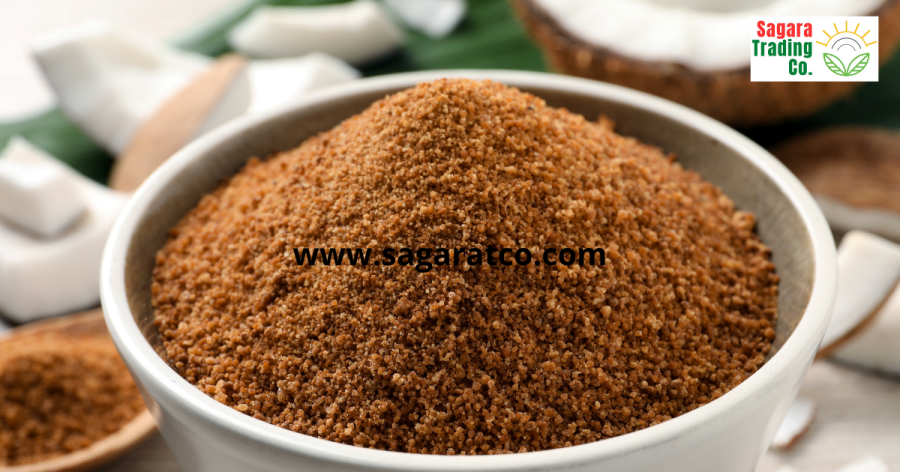
As global consumers become more interested in natural ingredients, clean-label foods, and responsibly sourced agricultural products, coconut sugar continues to attract attention from food manufacturers and ingredient buyers. From bakery products and energy bars to beverages, sauces, granola, and confectionery, coconut sugar offers a distinctive alternative for product developers seeking a naturally derived sweetener.
However, for international buyers, product selection should go beyond flavor, color, price, and origin. Microbiological quality is an important part of food ingredient safety and quality assurance. Proper microbiological testing can help importers evaluate whether coconut sugar meets their agreed specifications and the requirements relevant to its intended application and destination market.
For buyers sourcing Indonesian coconut sugar, understanding microbiological testing is therefore an important step in building a reliable international supply chain.
Why Is Microbiological Testing Important for Coconut Sugar?
Coconut sugar is a low-moisture food ingredient, but low moisture does not mean that microbiological quality can be ignored. Contamination can potentially occur during harvesting, sap handling, processing, drying, packaging, transportation, or storage.
Good manufacturing practices, hygienic processing, moisture control, appropriate packaging, and proper storage all contribute to microbiological stability.
Moisture and Microbial Stability
Moisture is particularly important when evaluating coconut sugar. If a product absorbs moisture during processing, transportation, or storage, its physical characteristics may change and its microbial stability can be affected.
This is why coconut sugar moisture testing and microbiological testing are often considered together as part of a broader quality-control program.
Key Microbiological Tests for Coconut Sugar
The exact testing requirements depend on the buyer's product specification, intended use, customer requirements, and regulations in the destination market. International buyers should establish these requirements before purchasing.
1. Total Plate Count
Total Plate Count (TPC), also known as aerobic plate count in some testing contexts, provides an indication of the number of viable microorganisms detected under specified laboratory conditions.
TPC can be useful for monitoring general microbiological quality and hygiene. However, it does not identify every microorganism present and should not be interpreted by itself as a complete food-safety assessment.
2. Yeast and Mold
Yeast and mold testing is relevant for many dry food ingredients. Higher counts may indicate environmental contamination, moisture exposure, or problems with handling and storage.
For coconut sugar importers, this test can provide useful information when assessing product quality and storage stability.
3. Coliforms and E. coli
Coliform analysis can provide information related to sanitary conditions, while E. coli testing is commonly included in food microbiological control programs where applicable.
Importers should compare results against their contractual specifications and the requirements applicable to their destination market.
4. Salmonella
Salmonella is an important foodborne pathogen, so buyers may require testing for its absence or compliance with a specified criterion.
Requirements vary according to the product, market, and intended use. Buyers should therefore specify the applicable requirement rather than relying on a generic standard for every shipment.
How to Read a Coconut Sugar Microbiological Test Report
A laboratory report or Certificate of Analysis (COA) should contain enough information to establish what was tested and how.
Check the Batch or Lot Number
The first step is confirming that the report corresponds to the actual batch being purchased. The batch number on the COA should be traceable to the product shipment.
This is especially important when importing bulk coconut sugar, where a shipment may contain significant quantities of product.
Check the Test Method
Different microbiological parameters can be tested using different recognized methods. The report should identify the method used where appropriate.
For professional procurement, buyers should ensure that the method is suitable for the parameter and aligned with their quality requirements.
Compare Results With Specifications
Do not look only at the numerical result. Compare the result with the agreed specification or applicable regulatory requirement.
The unit of measurement, reporting format, detection limit, and acceptance criterion can all affect how a result should be interpreted.
Sampling: An Essential Part of Quality Control
Laboratory testing is only as useful as the sample being tested. A poorly collected sample may not accurately represent an entire shipment.
International buyers and suppliers should establish a representative coconut sugar sampling procedure covering the relevant batch or lot. Samples should be properly identified, protected from contamination, and handled according to the applicable testing procedure.
For high-value or critical applications, importers may also consider independent laboratory testing as part of their supplier-verification program.
What Should International Buyers Ask Their Supplier?
Before purchasing Indonesian coconut sugar, buyers should ask suppliers clear technical and documentation questions.
Important questions include:
-
Is a COA provided for the relevant production batch?
-
Which microbiological parameters are tested?
-
Which laboratory performs the analysis?
-
What testing methods are used?
-
Does the report identify the batch or lot?
-
What specifications does the product meet?
-
How is microbiological contamination controlled?
-
How is moisture controlled during processing and storage?
-
What packaging is used for international transportation?
-
Is product traceability available?
-
Can additional testing be arranged when required?
These questions help importers distinguish between suppliers that simply sell a commodity and suppliers that maintain a structured quality-control process.
Indonesian Coconut Sugar and Global Food Industry Trends
Indonesia has a strong coconut-growing tradition and is an important source of coconut-based agricultural products. As international demand for natural sweeteners, clean-label ingredients, plant-based foods, and sustainable agricultural products develops, Indonesian coconut sugar has opportunities across multiple food categories.


For international buyers, however, Indonesian origin alone should not determine purchasing decisions. A reliable sourcing strategy should also evaluate food safety, product specifications, batch consistency, traceability, packaging, documentation, and supplier communication.
This is particularly important for manufacturers whose finished products must meet strict internal quality standards.
Building a Complete Coconut Sugar Quality Program
Microbiological testing should be viewed as one element of a comprehensive quality-assurance system.
Depending on the application and market, buyers may also evaluate:
-
Moisture content
-
Color and appearance
-
Granulation
-
Foreign matter
-
Heavy metals
-
Pesticide residues where applicable
-
Microbiological parameters
-
Packaging integrity
-
Shelf life
-
Traceability
-
Organic certification where required
Combining these checks gives importers a more complete picture of coconut sugar quality.
Consistency Matters More Than a Single Test
For commercial food production, one successful laboratory result is not enough. Manufacturers need ingredients that consistently meet specifications across multiple orders.
Therefore, supplier performance should be monitored over time. Consistent COA results, reliable documentation, and effective communication can help build confidence in a long-term Indonesian coconut sugar supply chain.
The Future of Coconut Sugar Quality Assurance
The global food industry is moving toward greater transparency and accountability. Buyers increasingly want to know not only where an ingredient comes from, but also how it is processed, tested, packaged, and transported.
For this reason, coconut sugar microbiological testing will remain an important consideration for international buyers. Strong quality-control practices can help protect manufacturers from avoidable supply-chain risks while supporting consistent finished-product quality.
Indonesian coconut sugar has strong potential in global food markets, but successful export depends on combining its agricultural heritage with professional quality management, food safety practices, traceability, and dependable supplier relationships.
CV Sagara Trading Corp – Indonesian Coconut Sugar Exporter
CV Sagara Trading Corp is a trusted exporter of Indonesian coconut sugar, connecting international importers, distributors, and food manufacturers with quality products from Indonesia. For businesses seeking Indonesian coconut sugar suppliers, bulk coconut sugar, and natural food ingredients, CV Sagara Trading Corp supports international sourcing with a focus on reliable supply, quality-conscious service, and long-term business relationships.
Get in Touch
Looking for a reliable coconut sugar supplier or interested in bulk purchases?
WhatsApp: +62 878 4405 6342
Email: sales@sagaratco.com
Instagram: @sagaratco
Facebook: Sagaratco
Website: www.sagaratco.co
#Sagaratco #OrganicProduct #SustainableTrade #HealthyLiving #NaturalSweetener #CoconutSugar #IndonesiaCoconutSugar #CoconutSugarSupplier #MicrobiologicalTesting #CoconutSugarQuality #FoodSafety #QualityControl #FoodIngredients #CleanLabelFood #NaturalIngredients #SustainableFood #OrganicSugar #CoconutFarmers #IndonesianExport #GlobalMarket #FoodManufacturing #SupplyChain #SustainableSweetness #CVSagaraTradingCorp
Category:


