
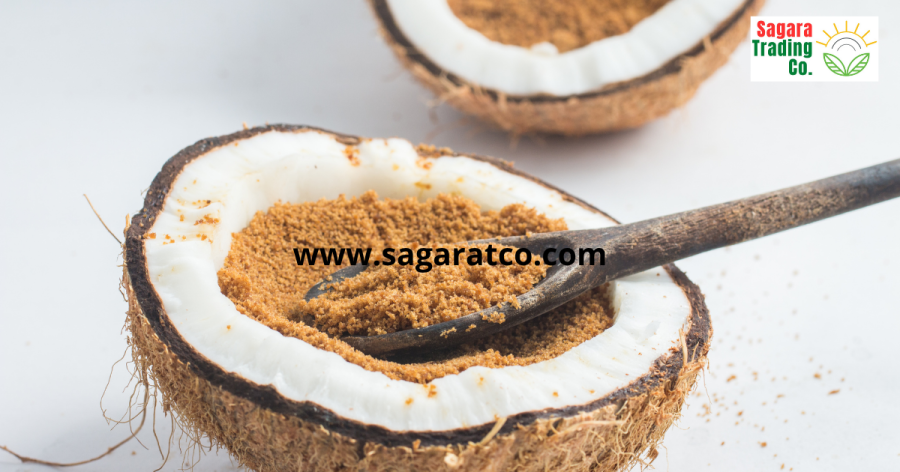
As demand for natural sweeteners continues to grow across the global food industry, Indonesian coconut sugar is attracting attention from importers, distributors, food manufacturers, and brands looking for versatile plant-based ingredients. However, producing high-quality coconut sugar is only part of the export process. The way the product is packaged can have a major impact on its quality during long-distance transportation.
For international buyers, choosing the right coconut sugar packaging materials is essential for protecting the product against moisture, contamination, physical damage, and unfavorable storage conditions. Good packaging helps preserve product quality from the Indonesian supply chain all the way to the buyer's warehouse.
For this reason, packaging should be considered an important part of an export-grade coconut sugar sourcing strategy.
Why Coconut Sugar Packaging Matters for International Shipping
Coconut sugar is generally hygroscopic, meaning it can absorb moisture from its surrounding environment. During ocean freight, changes in temperature and humidity can create challenging conditions for powdered or granulated food ingredients.
If packaging does not provide adequate protection, coconut sugar may experience:
-
Clumping
-
Moisture absorption
-
Changes in texture
-
Packaging deterioration
-
Exposure to contamination
-
Reduced handling efficiency
For food manufacturers, these issues can create additional processing challenges. Therefore, coconut sugar packaging for export should be designed around the product specification, transportation route, storage conditions, and intended application.
Common Packaging Materials for Export-Grade Coconut Sugar
1. Food-Grade Plastic Bags
Food-grade plastic packaging is commonly considered for bulk food ingredients because it can provide a barrier against moisture and external contamination.
An appropriate inner liner can provide an additional layer of protection, particularly when coconut sugar will be transported across humid or changing environments.
For international buyers, suppliers should clarify the type and specification of the packaging material before shipment.
2. Multi-Layer Bags
Multi-layer packaging can combine different material properties to improve protection.
For bulk Indonesian coconut sugar, layered packaging may help provide mechanical strength while supporting protection against moisture and handling conditions.
The exact packaging construction should be selected according to the product's moisture characteristics, transportation conditions, and buyer requirements.
3. Kraft Paper Bags with Inner Liners
Kraft paper packaging can provide useful mechanical strength and a more natural appearance. However, paper alone may not provide sufficient moisture protection for coconut sugar.
This is why kraft paper bags used for food ingredients may incorporate an internal liner. The combination can provide structural strength while improving protection against environmental humidity.
4. Cartons and Secondary Packaging
Secondary packaging can be used to provide additional protection during transportation, palletization, and warehouse handling.
For commercial shipments, buyers and suppliers should consider:
-
Bag dimensions
-
Carton specifications
-
Pallet configuration
-
Container utilization
-
Stacking strength
-
Labeling requirements
Efficient packaging design can also help maximize container space and reduce unnecessary logistics costs.
Protecting Coconut Sugar from Moisture
Moisture Is One of the Biggest Packaging Considerations
Moisture control is particularly important for granulated coconut sugar.
Even when a product leaves the processing facility in good condition, prolonged exposure to humid environments can affect its physical characteristics. During international shipping, containers may experience temperature fluctuations that contribute to condensation under certain circumstances.
Therefore, an effective coconut sugar packaging solution should work together with proper processing, sealing, storage, and transportation practices.
Packaging should not be treated as a replacement for appropriate moisture control during production.
Packaging and Food Safety
International food buyers increasingly expect transparency throughout the supply chain. Packaging is therefore connected not only to physical protection but also to food safety and traceability.
Important Packaging Information for Buyers
International importers may want to confirm:
-
Food-grade suitability
-
Packaging material specifications
-
Inner liner details
-
Net weight
-
Batch or lot identification
-
Production information
-
Storage recommendations
-
Country of origin
-
Labeling requirements
A Certificate of Analysis (COA) and appropriate product documentation can complement packaging information and provide buyers with greater visibility into the supplied batch.
Sustainable Packaging and the Global Food Industry
Sustainability is becoming an increasingly important factor in international food sourcing. Food companies are looking for ways to reduce unnecessary packaging while maintaining product protection and shelf stability.
For Indonesian coconut sugar exporters, this creates an important balance.
Packaging must be sufficiently protective for long-distance shipping while avoiding unnecessary material use where practical. Buyers may therefore discuss recyclable materials, optimized bag sizes, efficient palletization, and responsible packaging design with their suppliers.
The most sustainable option is not necessarily the package with the least material. A package that fails to protect the product can result in damaged goods and food waste. Effective sustainable packaging should balance product protection, food safety, logistics efficiency, and environmental considerations.
What International Buyers Should Ask a Coconut Sugar Supplier
When sourcing Indonesian coconut sugar for international food production, buyers should discuss packaging specifications before confirming an order.
Practical Supplier Questions
Ask the supplier:
-
What packaging material is used?
-
Does the packaging include an inner liner?
-
What is the standard bag size?
-
How is the packaging sealed?
-
Is the packaging suitable for ocean freight?
-
How is the product protected against moisture?
-
How are bags palletized?
-
What information is printed on the packaging?
-
Can packaging be customized for bulk or private-label requirements?
-
What storage conditions are recommended?
These questions can help importers evaluate whether a coconut sugar supplier in Indonesia is prepared to meet international commercial requirements.
Who Is CV. Sagara Trading Corp?
CV. Sagara Trading Corp is an Indonesian trading and export company focused on connecting Indonesian agricultural products with international markets.
For buyers researching an Indonesian coconut sugar supplier, understanding the company behind the product is an important part of supplier evaluation. CV. Sagara Trading Corp focuses on connecting Indonesian agricultural products with international buyers and supporting commercial sourcing requirements.
In the coconut sugar category, this means placing attention on important aspects of international sourcing such as product specifications, packaging, documentation, communication, and bulk purchasing requirements.
This positioning makes CV. Sagara Trading Corp relevant to importers, distributors, food manufacturers, and businesses looking to source Indonesian coconut sugar for international markets.
Why Packaging Is Part of Coconut Sugar Quality
Quality does not end when coconut sugar leaves the production facility. For international trade, quality also means maintaining the product's condition throughout transportation and storage.
A well-designed coconut sugar export packaging system can help protect the product against moisture, contamination, physical damage, and challenging logistics conditions.
For international buyers, the ideal sourcing strategy therefore considers the complete supply chain: product quality → packaging → transportation → storage → food manufacturing.
Conclusion
The global demand for natural sweeteners and Indonesian agricultural ingredients continues to create opportunities for coconut sugar exporters. However, maintaining quality during long-distance shipping requires careful attention to packaging materials and logistics.
Food-grade bags, inner liners, multi-layer materials, secondary packaging, proper sealing, palletization, and moisture protection can all contribute to a more reliable coconut sugar supply chain.
For importers searching for export-grade Indonesian coconut sugar, packaging should be treated as an essential part of supplier evaluation rather than an afterthought.
CV. Sagara Trading Corp is a trusted Indonesian exporter of coconut sugar, connecting Indonesian coconut sugar and other agricultural products with international buyers seeking reliable sourcing solutions for global markets.
Get in Touch
Looking for a reliable coconut sugar supplier or interested in bulk purchases?
WhatsApp: +62 878 4405 6342
Email: sales@sagaratco.com
Instagram: @sagaratco
Facebook: Sagaratco
Website: www.sagaratco.co
#Sagaratco #CoconutSugar #IndonesiaCoconutSugar #CVSagaraTradingCorp #CoconutSugarSupplier #CoconutSugarExporter #CoconutSugarPackaging #IndonesianExport #OrganicProduct #SustainableTrade #NaturalSweetener #SustainableFood #EcoFriendlyPackaging #OrganicSugar #FoodIngredients #BulkCoconutSugar #GlobalMarket #CoconutFarmers #SustainableSweetness #NaturalIngredients
Category:


