
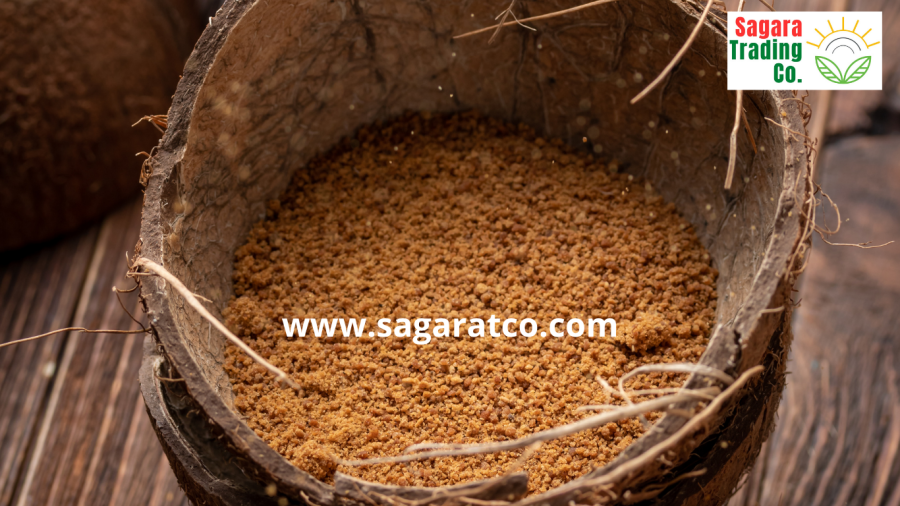
As global consumers increasingly seek natural, sustainable, and minimally processed food ingredients, coconut sugar has emerged as a popular alternative sweetener in the international food industry. From bakery products and beverages to healthy snacks and plant-based foods, this naturally derived ingredient is becoming increasingly valuable to manufacturers looking for distinctive flavors and responsible sourcing stories.
At the heart of every premium coconut sugar product is a traditional process that begins high in the coconut palm. Coconut blossom sap is carefully harvested, concentrated, and transformed into golden-brown crystals with a characteristic caramel-like flavor. Indonesia, with its extensive coconut plantations and generations of farming expertise, has become an important source of high-quality coconut sugar for global markets.
What Is Coconut Sugar?
Coconut sugar is produced from the nectar or sap collected from the flower buds of coconut palm trees. Unlike refined cane sugar, which is typically produced through extensive industrial processing, coconut sugar is made by concentrating coconut blossom sap until its moisture is significantly reduced.
The result is a naturally colored sweetener with a warm, earthy, caramel-like taste.
Coconut sugar is commonly used in:
-
Bakery and confectionery products
-
Granola and cereal
-
Protein and energy bars
-
Plant-based foods
-
Beverages
-
Desserts and sauces
-
Natural and clean-label food products
It is important to note that coconut sugar is still an added sugar and should be consumed in moderation.
Step 1: Harvesting Coconut Blossom Sap
The production process begins with carefully selecting healthy coconut palms.
Collecting the Sap
Farmers access the coconut flower stalk and carefully prepare it for sap collection. The blossom is managed so that the nectar can be collected without cutting down the coconut tree.
This is one reason coconut sugar production can support sustainable agricultural systems. The same coconut palms can continue growing and producing over many years when properly managed.
For Indonesian farmers, this traditional practice represents both an agricultural livelihood and an important part of rural economic activity.
Step 2: Filtering and Preparing the Sap
Fresh coconut blossom sap is highly perishable, so it needs to be handled quickly after collection.
The sap is typically filtered to remove unwanted particles and prepared for the heating stage. Proper hygiene and handling at this point are essential for maintaining food quality.
For commercial coconut sugar production, good manufacturing practices and controlled processing help ensure the finished product meets buyer specifications.
Step 3: Heating and Evaporation
The filtered coconut sap is heated to remove excess water.
Concentrating the Coconut Sap
During heating, water gradually evaporates while naturally occurring sugars become increasingly concentrated. The liquid thickens and develops the characteristic color and aroma associated with coconut sugar.
Temperature and processing time need to be carefully managed. Excessive heating can negatively affect color, flavor, and other quality characteristics, while insufficient concentration can leave excessive moisture in the finished product.
This stage is therefore critical to achieving consistent coconut sugar quality and shelf life.
Step 4: Crystallization and Granulation
Once the sap has reached the appropriate concentration, it can be processed into the desired final form.
Producing Granulated Coconut Sugar
For granulated coconut sugar, the concentrated syrup is further processed and dried until crystals form. The material is then broken down and sieved to achieve a relatively uniform particle size.
The final product may be evaluated for:
-
Moisture content
-
Granule size
-
Color
-
Flavor
-
Aroma
-
Cleanliness
-
Food safety
Consistent specifications are particularly important for international food manufacturers.
Step 5: Quality Control and Packaging
Premium coconut sugar requires careful quality control from the farm through final packaging.
Moisture Control
Moisture is particularly important because coconut sugar is naturally hygroscopic. Excess moisture can contribute to clumping, poor flowability, and reduced storage stability.
Proper drying, moisture testing, and moisture-resistant packaging help maintain product quality throughout transportation and storage.
Packaging for Export
Export packaging should protect the coconut sugar from:
-
Humidity
-
Contamination
-
Excessive heat
-
Physical damage
-
Unfavorable storage conditions
Appropriate packaging is especially important when products are transported across international distances.
Why Indonesian Coconut Sugar Is Attractive to Global Buyers
Indonesia's position as a major coconut-producing country provides a strong foundation for coconut sugar production.
Abundant Coconut Resources
Indonesia's tropical climate supports extensive coconut cultivation across numerous regions. This provides access to the raw material needed for continuous coconut sugar production.
Traditional Knowledge Meets Modern Quality Control
Indonesian coconut sugar production combines generations of farming knowledge with modern approaches to food safety, quality assurance, processing, and export logistics.
This combination allows suppliers to preserve the authentic character of coconut sugar while meeting the increasingly sophisticated expectations of global buyers.
Coconut Sugar and the Global Sustainability Trend
The growing popularity of coconut sugar is closely connected to broader trends in sustainable food production.
Coconut sugar can support:
-
Renewable agricultural systems
-
Rural farmer livelihoods
-
Natural ingredient sourcing
-
Sustainable food development
-
Clean-label product innovation
For food manufacturers, the ingredient can offer more than sweetness. It can also contribute to a compelling product story centered on natural sourcing and Indonesian agricultural heritage.
The Future of Premium Coconut Sugar
As demand for natural sweeteners continues to increase, quality will become an increasingly important competitive factor.
International buyers are likely to prioritize suppliers that can provide:
-
Consistent product specifications
-
Reliable supply capacity
-
Effective quality control
-
Appropriate certifications
-
Transparent sourcing
-
Professional export documentation
Indonesian coconut sugar is well positioned to benefit from this trend as suppliers continue improving production systems while preserving traditional agricultural practices.
Conclusion
The journey from coconut blossom sap to premium coconut sugar is a fascinating combination of traditional farming knowledge, careful processing, and modern quality management. From harvesting and filtering to evaporation, crystallization, moisture control, and export packaging, every stage influences the final quality of the product.
For global food manufacturers and importers, Indonesian coconut sugar offers a versatile natural sweetener with a distinctive flavor profile and strong connection to sustainable agriculture. As consumers continue seeking natural and responsibly sourced ingredients, coconut sugar is positioned to remain an important ingredient in the future of the global food industry.
Partner with CV Sagara Trading Corp
CV Sagara Trading Corp is a trusted exporter of Indonesian coconut sugar, specializing in premium-quality coconut sugar and other natural commodities. With a commitment to quality assurance, sustainable sourcing, and dependable export services, CV Sagara Trading Corp supports importers, distributors, and food manufacturers seeking authentic Indonesian products for international markets.
Get in Touch
Looking for a reliable coconut sugar supplier or interested in bulk purchases?
WhatsApp: +62 878 4405 6342
Email: sales@sagaratco.com
Instagram: @sagaratco
Facebook: Sagaratco
Website: www.sagaratco.co
#Sagaratco #OrganicProduct #SustainableTrade #HealthyLiving #NaturalSweetener #CoconutSugar #IndonesiaCoconutSugar #CoconutBlossomSap #CoconutSugarProcessing #OrganicSugar #SustainableFood #EcoFriendlySweetener #CleanLabel #PlantBased #SugarAlternative #HealthyLifestyle #NaturalFlavor #CoconutFarmers #IndonesianExport #GlobalMarket #FoodManufacturing #NaturalIngredients #SustainableSweetness #CVSagaraTradingCorp
Category:


