
As global food manufacturers increasingly prioritize ingredient traceability, consistent quality, and responsible sourcing, quality control has become a critical part of the agricultural supply chain. For businesses purchasing natural sweeteners, understanding how an ingredient is managed from farm to finished product can help reduce sourcing risks and support reliable manufacturing.
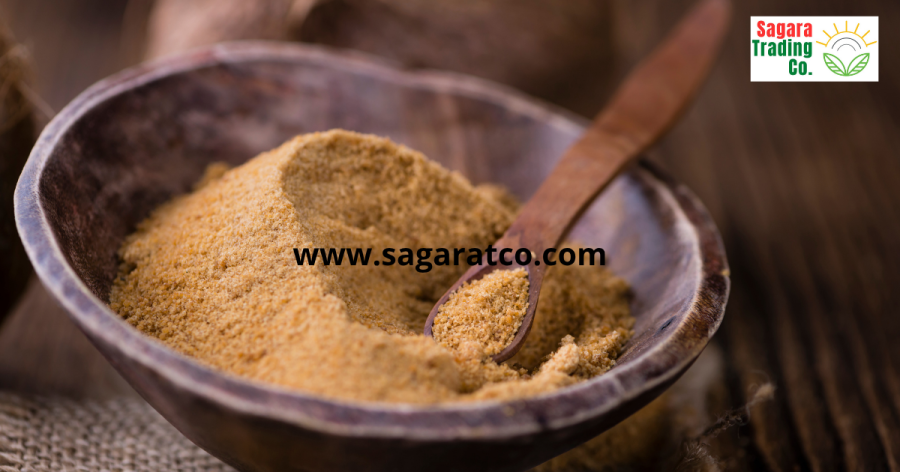
Indonesian coconut sugar is gaining attention in international food markets because of its distinctive caramel-like flavor, versatility, and connection to Indonesia's coconut-growing communities. It can be used in bakery products, beverages, confectionery, sauces, and other food applications.
However, sourcing quality coconut sugar involves more than evaluating its color or taste. Importers and food manufacturers must also consider raw material handling, processing hygiene, moisture content, product specifications, packaging, storage, and traceability.
This guide explains the essential stages of coconut sugar quality control and how B2B buyers can evaluate Indonesian coconut sugar suppliers for long-term cooperation.
What Is Coconut Sugar Quality Control?
Coconut sugar quality control is the process of checking and managing product characteristics throughout sourcing, production, packaging, and distribution to ensure that the finished ingredient meets agreed specifications and applicable food safety requirements.
For importers, quality control helps establish confidence that successive shipments meet purchasing requirements. For manufacturers, it supports predictable ingredient handling, product formulation, and finished-product consistency.
A structured quality assurance program may include supplier assessments, documented procedures, product sampling, laboratory testing, batch identification, and corrective actions when a specification is not met.
1. Farm-Level Quality Control: Selecting Suitable Coconut Sap
The quality of coconut sugar begins with the raw material. Coconut sap characteristics can vary according to harvesting practices, environmental conditions, handling, and the time between collection and processing.
Proper Sap Collection and Handling
Good agricultural and handling practices help reduce contamination risks and maintain suitable raw material quality.
Important considerations include:
-
Clean collection containers and harvesting equipment.
-
Hygienic handling during sap collection and transportation.
-
Appropriate management of the time between harvesting and processing.
-
Procedures for identifying and rejecting unsuitable raw materials.
These practices are particularly important because coconut sap contains natural sugars that can undergo fermentation if handling conditions and processing timelines are not adequately managed.
For B2B buyers, asking suppliers about raw material handling procedures is a useful starting point for evaluating the quality management process.
2. Processing Control: From Coconut Sap to Sugar
After collection, coconut sap is heated to evaporate moisture and develop the characteristic color, aroma, and flavor associated with coconut sugar.
Processing conditions can influence the final product's sensory properties, moisture content, and granulation.
Monitoring Temperature and Processing Conditions
Consistent processing procedures help reduce unnecessary variations between batches. Excessive or insufficient heating, inconsistent evaporation, and differences in raw material characteristics may affect the final product.
Manufacturers and suppliers should establish suitable process parameters and monitor them through documented procedures.
Preventing Contamination
Processing areas, equipment, utensils, and packaging materials should be managed according to appropriate food hygiene practices.
Depending on the production system and intended market, quality assurance may include sanitation procedures, pest control, personnel hygiene, and documented food safety controls.
A supplier's quality system should be appropriate to the scale of production and the requirements of the buyer's destination market.
3. Finished Product Inspection: Essential Coconut Sugar Specifications
Before coconut sugar is approved for packing or shipment, the finished product should be evaluated against agreed specifications.
Key Quality Parameters for Coconut Sugar
Color and appearance: Coconut sugar commonly ranges from golden brown to darker brown. The acceptable range should be established according to the buyer's product requirements.
Flavor and aroma: A characteristic caramel-like, mildly toasted flavor is commonly associated with coconut sugar. Unusual odors or unexpected flavor changes may indicate a quality concern requiring investigation.
Moisture content: Moisture affects storage stability, clumping, and handling. Buyers should agree on an appropriate moisture specification and request supporting test results when necessary.
Granulation and particle size: Particle size influences blending, dissolution, and processing performance. Manufacturers should specify the granulation required for their intended application.
Foreign matter and purity: Appropriate inspection and processing controls help minimize unwanted materials and support product suitability.
Microbiological and chemical safety: Testing requirements should be determined through a risk-based food safety assessment, applicable regulations, and the intended use of the ingredient.
A certificate of analysis (COA), where available, can help buyers review selected test results against agreed specifications. Buyers should confirm which parameters are tested, the methods used, and whether the results relate to the specific production batch.
4. Packaging and Storage: Protecting Quality After Production
Even coconut sugar that meets its original specifications can experience quality problems if packaging and storage are inadequate.
Moisture exposure may contribute to clumping, while unsuitable storage conditions can affect product quality during transportation and warehousing.
Choosing Suitable Packaging
Packaging should provide appropriate protection against moisture, contamination, and physical damage. The right material and configuration depend on the product, shipment size, transport conditions, and buyer requirements.
Before ordering, importers should confirm:
-
Available packaging sizes and materials.
-
Whether food-contact packaging requirements are met.
-
Batch identification and labeling arrangements.
-
Recommended storage conditions and shelf life.
-
Palletization and container-loading requirements, if applicable.
Clear packaging and storage specifications help maintain product condition from the supplier's facility to the buyer's warehouse.
5. Traceability and Export Documentation for B2B Buyers
International sourcing requires more than a product inspection. Importers also need documentation that supports purchasing decisions, shipment clearance, and internal quality assurance.
Depending on the destination market and transaction, relevant documents may include product specifications, commercial invoices, packing lists, certificates of origin, applicable health or food safety documents, and laboratory reports.
For organic coconut sugar, additional certification and transaction documentation may be required under the applicable organic rules.
Why Batch Traceability Matters
A traceability system links product batches with relevant sourcing, processing, inspection, and shipment records.
If a quality concern arises, batch identification can help the supplier and buyer investigate the issue more efficiently and determine appropriate corrective actions.
For manufacturers purchasing coconut sugar regularly, documented traceability and consistent specifications are valuable components of a long-term sourcing relationship.
6. Indonesian Coconut Sugar: Quality and Responsible Sourcing
Indonesia's coconut-growing regions and agricultural traditions provide opportunities to supply coconut sugar to international food markets.
For buyers, Indonesian coconut sugar offers a distinctive flavor profile and potential applications across bakery products, specialty beverages, snacks, sauces, and confectionery.
As global food supply chains place greater emphasis on transparency and sustainability, importers may also consider how suppliers manage raw material sourcing, farmer relationships, processing practices, and resource use.
However, sustainability claims should be supported by evidence. Buyers should assess actual sourcing practices rather than assuming that every natural or plant-based ingredient automatically meets a particular environmental standard.
Similarly, coconut sugar remains a sugar-rich ingredient. Its natural origin does not automatically make it a low-sugar or low-calorie product. Responsible food manufacturers should use accurate nutritional information and appropriate product claims.
7. How to Evaluate a Reliable Coconut Sugar Supplier
Before placing a bulk order, B2B buyers should evaluate both the product and the supplier's ability to meet purchasing requirements consistently.
Use this checklist when assessing an Indonesian coconut sugar supplier:
-
Request representative samples before confirming a large order.
-
Review product specifications for moisture, color, granulation, and flavor.
-
Ask whether a batch-specific certificate of analysis is available.
-
Confirm the supplier's food safety procedures and relevant documentation.
-
Check traceability arrangements and batch identification.
-
Discuss minimum order quantities, packaging, lead times, and export terms.
-
Agree on acceptance criteria and procedures for addressing quality deviations.
For repeat purchases, buyers should document approved specifications and communicate any changes before production or shipment.
Why Choose CV Sagara Trading Corp?
CV Sagara Trading Corp is an Indonesian coconut sugar supplier focused on serving international markets, with product interests including coconut sugar and moringa powder. The company's business positioning emphasizes reliable sourcing, product quality, transparency, and sustainable business relationships.
For importers, distributors, and food manufacturers exploring Indonesian coconut sugar, CV Sagara Trading Corp aims to connect Indonesian agricultural products with international sourcing requirements.
By discussing product specifications, samples, packaging options, available documentation, and bulk purchasing requirements, buyers can establish whether the product is suitable for their intended application and market.
Building a reliable sourcing relationship starts with clear communication, realistic quality expectations, and a shared commitment to meeting agreed requirements.
Get in Touch with CV Sagara Trading Corp
Looking for an Indonesian coconut sugar supplier or interested in bulk purchases? Contact CV Sagara Trading Corp to discuss your sourcing requirements.
-
WhatsApp: +62 878 4405 6342
-
Email: sales@sagaratco.com
-
Instagram: @sagaratco
-
Facebook: Sagaratco
-
Website: https://www.sagaratco.co
#Sagaratco #CVSagaraTradingCorp #CoconutSugar #IndonesiaCoconutSugar #CoconutSugarSupplier #CoconutSugarQuality #QualityControl #IndonesianExport #SustainableTrade #NaturalSweetener #FoodManufacturing #BulkCoconutSugar #SustainableFood
Category:


