
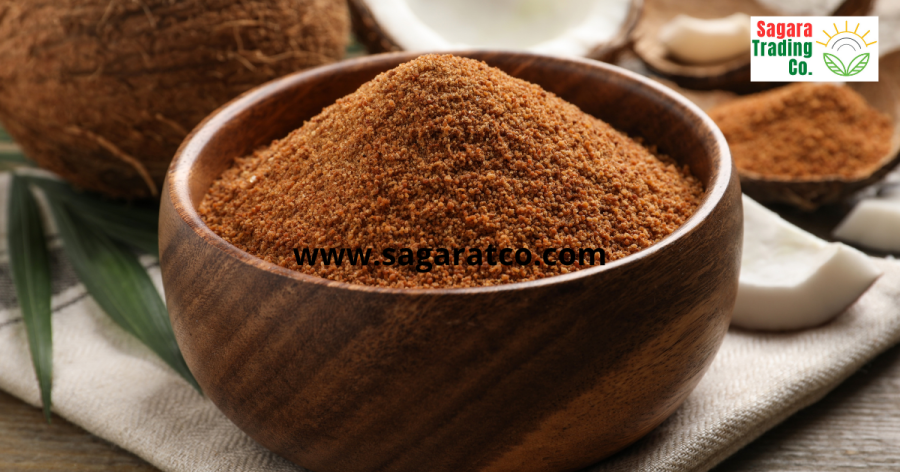
As global food manufacturers increasingly seek natural, recognizable, and versatile ingredients, Indonesian coconut sugar continues to attract interest from importers, distributors, food brands, and ingredient buyers. Yet for international food production, quality is not determined only by flavor, color, or origin. Coconut sugar shelf life and product stability are also important considerations when purchasing ingredients for long-term commercial use.
A well-designed shelf life testing program helps manufacturers and importers understand how coconut sugar performs during storage and transportation. Factors such as moisture, packaging, temperature, humidity, processing conditions, and storage environments can influence its physical characteristics over time.
For buyers sourcing export-grade coconut sugar from Indonesia, understanding these factors can support better purchasing, quality control, and inventory planning.
What Is Coconut Sugar Shelf Life Testing?
Coconut sugar shelf life testing is the process of evaluating how the product's quality changes under defined storage conditions over a specified period.
The objective is not simply to determine an expiration date. A professional stability assessment can help identify whether important product characteristics remain within agreed specifications throughout storage.
Parameters Commonly Evaluated
Depending on the product specification and intended application, testing may consider:
-
Moisture content
-
Appearance and color
-
Texture and granulation
-
Clumping
-
Aroma and flavor
-
Microbiological parameters
-
Packaging integrity
-
Changes during transportation and storage
For commercial food manufacturers, these parameters can help determine whether coconut sugar remains suitable for its intended application.
1. Moisture Content and Coconut Sugar Stability
Moisture is one of the most important factors in coconut sugar shelf life testing.
Coconut sugar can interact with moisture in its surrounding environment. If the product absorbs moisture during storage, granulated coconut sugar may become sticky or form lumps.
This can affect:
-
Flowability
-
Weighing
-
Dispensing
-
Mixing
-
Packaging
-
Industrial processing
For this reason, moisture should be monitored from production through packaging, transportation, and final storage.
2. Packaging Materials
The shelf life of coconut sugar cannot be considered separately from its packaging.
A product may have appropriate characteristics when packed at the production facility but encounter very different conditions during international transportation.
How Packaging Supports Product Stability
Suitable food-grade packaging can help reduce exposure to:
-
Humidity
-
External contamination
-
Physical damage
-
Environmental conditions
Inner liners, properly sealed bags, secondary packaging, and appropriate palletization may all contribute to maintaining product quality.
For international shipments, packaging specifications should therefore be discussed between the Indonesian coconut sugar supplier and buyer before an order is finalized.
3. Temperature and Relative Humidity
Storage temperature and relative humidity can influence the stability of food ingredients.
Coconut sugar stored in a hot and humid environment may behave differently from the same product stored under controlled, dry conditions.
This is particularly relevant for international trade because coconut sugar may travel through several environments before reaching the final customer.
A proper stability study should therefore consider realistic storage conditions relevant to the intended market.
4. Processing Conditions
The stability of coconut sugar begins before the product is packaged.
Processing practices can influence characteristics such as moisture, color, particle size, and consistency. Consistent processing is therefore important when establishing a reliable shelf life profile.
For food manufacturers, supplier consistency can be especially valuable because formulation and production processes are often designed around defined ingredient specifications.
5. Microbiological Quality
Food manufacturers may also evaluate microbiological characteristics as part of their quality assurance program.
The specific tests required depend on the product specification, destination market, buyer requirements, and applicable food safety standards.
Regular testing and appropriate documentation can provide additional information about product quality throughout its commercial life.
Why a Certificate of Analysis Matters
A Certificate of Analysis (COA) can provide batch-specific information about selected quality parameters.
International buyers may use COAs alongside supplier specifications, laboratory results, incoming inspection procedures, and their own quality management systems.
6. Storage Conditions
Even high-quality coconut sugar can experience quality changes if stored incorrectly.
For bulk Indonesian coconut sugar, buyers should establish suitable storage practices that minimize exposure to moisture, excessive heat, contamination, and physical damage.
Warehouses should be managed according to the product's specifications and packaging requirements.
A practical approach is to follow the supplier's recommended storage conditions while also applying the buyer's internal food safety and warehouse procedures.
Shelf Life Testing for International Coconut Sugar Buyers
For importers and distributors, shelf life testing becomes particularly important because products may remain in inventory for extended periods.
Questions Buyers Should Ask Suppliers
Before purchasing bulk coconut sugar, international buyers can ask:
-
What is the declared shelf life?
-
What storage conditions support product stability?
-
What moisture specification applies?
-
What packaging material is used?
-
Is an inner liner included?
-
Is a batch-specific COA available?
-
What microbiological testing is performed?
-
How is the product protected during international shipping?
-
How is batch traceability maintained?
-
Can the supplier provide relevant quality documentation?
These questions help buyers evaluate not only the product itself but also the supplier's overall quality management approach.
Why Shelf Life Matters for Sustainable Food Supply Chains
Shelf life has an important connection with sustainability.
A product that maintains acceptable quality during storage and distribution can help reduce avoidable food waste. For international food companies, effective shelf life management can also support better inventory planning and logistics efficiency.
This is particularly relevant as food manufacturers increasingly look for supply chains that combine quality, sustainability, traceability, and responsible sourcing.
For Indonesian coconut sugar, this creates an opportunity to connect traditional agricultural production with modern international food quality expectations.
Who Is CV. Sagara Trading Corp?
CV. Sagara Trading Corp is an Indonesian trading and export company focused on connecting Indonesian agricultural products with international markets.
For buyers looking for an Indonesian coconut sugar supplier, understanding the company behind the product is an important part of the sourcing process. CV. Sagara Trading Corp connects Indonesian agricultural products with international buyers and supports commercial requirements related to product sourcing.
In the coconut sugar category, relevant considerations include product specifications, quality requirements, packaging, documentation, bulk purchasing, and communication with international customers.
This makes CV. Sagara Trading Corp relevant to importers, distributors, food manufacturers, and businesses exploring Indonesian coconut sugar for international markets.
How to Evaluate Coconut Sugar Stability Before Bulk Purchasing
A practical purchasing process can combine several quality checkpoints:
Step 1: Define Product Specifications
Establish moisture, appearance, granulation, packaging, and other relevant specifications.
Step 2: Review Quality Documentation
Request the applicable COA and product specifications before purchasing.
Step 3: Evaluate Packaging
Confirm that the packaging is suitable for the planned transportation and storage conditions.
Step 4: Conduct Product Testing
Where necessary, conduct laboratory testing or accelerated stability studies according to the buyer's quality program.
Step 5: Monitor Incoming Shipments
Compare received batches against agreed specifications and maintain batch records.
This systematic approach can help international buyers build a more predictable coconut sugar supply chain.
Conclusion
Coconut sugar shelf life testing is an important part of quality management for international food production. Moisture, packaging, temperature, humidity, processing conditions, microbiological quality, and storage practices can all influence product stability.
For importers sourcing Indonesian coconut sugar, evaluating shelf life should therefore go beyond asking for a single expiration date. Buyers should understand the conditions that support product stability and work with suppliers that can communicate clear specifications and quality documentation.
As global demand for natural sweeteners continues to develop, export-grade Indonesian coconut sugar can serve international food manufacturers when quality, packaging, traceability, and responsible sourcing are considered throughout the supply chain.
CV. Sagara Trading Corp is a trusted Indonesian exporter of coconut sugar, connecting Indonesian coconut sugar and other agricultural products with international buyers seeking reliable sourcing solutions for global markets.
Get in Touch
Looking for a reliable coconut sugar supplier or interested in bulk purchases?
WhatsApp: +62 878 4405 6342
Email: sales@sagaratco.com
Instagram: @sagaratco
Facebook: Sagaratco
Website: www.sagaratco.co
#Sagaratco #CoconutSugar #IndonesiaCoconutSugar #CVSagaraTradingCorp #CoconutSugarSupplier #CoconutSugarExporter #CoconutSugarShelfLife #FoodIngredients #OrganicProduct #SustainableTrade #NaturalSweetener #SustainableFood #OrganicSugar #FoodSafety #QualityControl #BulkCoconutSugar #IndonesianExport #GlobalMarket #CoconutFarmers #SustainableSweetness
Category:


