
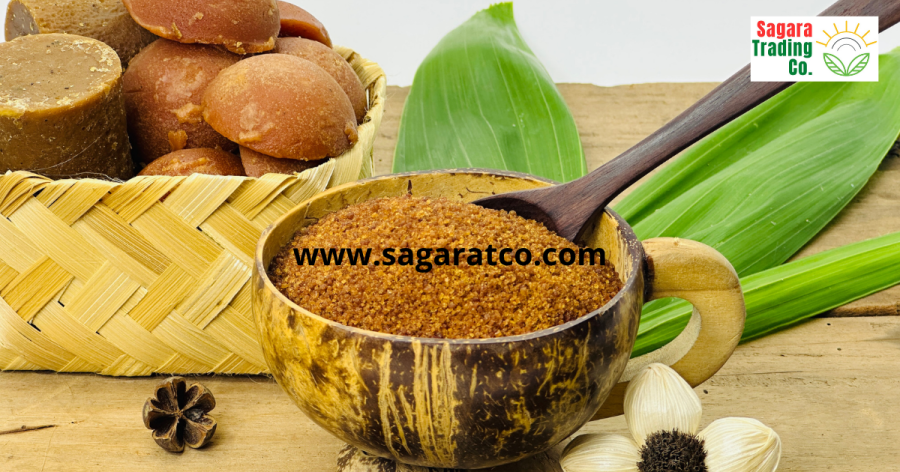
As global demand for natural ingredients and clean-label food products continues to develop, Indonesian coconut sugar is becoming an increasingly relevant ingredient for food manufacturers, distributors, retailers, and international brands. However, finding a suitable coconut sugar supplier is only one part of successful importing. For businesses that depend on a consistent supply, effective coconut sugar supply planning is equally important.
A stock shortage can interrupt food production, delay customer orders, and increase emergency purchasing costs. For importers buying coconut sugar from Indonesia, a structured procurement strategy can help reduce these risks while supporting more predictable inventory management.
Why Coconut Sugar Supply Planning Matters
International sourcing involves more variables than domestic purchasing. Importers need to consider production schedules, order quantities, supplier lead times, export preparation, ocean freight, customs processes, warehouse capacity, and demand fluctuations.
For a food manufacturer, even a short supply interruption can affect an entire production schedule.
The Cost of Running Out of Stock
A coconut sugar shortage may result in:
-
Production delays
-
Missed customer orders
-
Expedited purchasing costs
-
Changes to production schedules
-
Higher logistics expenses
-
Unplanned ingredient substitutions
-
Reduced customer satisfaction
This is why professional buyers should treat coconut sugar as part of their strategic ingredient supply chain, rather than purchasing only when inventory is almost exhausted.
1. Forecast Coconut Sugar Demand
The first step in effective supply planning is understanding how much coconut sugar the business actually needs.
Importers can review historical purchasing data and combine it with expected production volumes, sales forecasts, seasonal demand, and new customer contracts.
A Simple Demand Calculation
A basic planning approach is:
Forecasted Coconut Sugar Demand = Production Requirement × Coconut Sugar Usage Rate
For example, if a food manufacturer expects to produce 20,000 kg of finished products and coconut sugar represents 8% of the formulation:
20,000 kg × 8% = 1,600 kg
The importer should then consider additional inventory for production losses, demand changes, and supply-chain uncertainty.
2. Understand Supplier Lead Time
Lead time is one of the most important factors in bulk coconut sugar procurement.
For international sourcing from Indonesia, lead time can involve:
-
Purchase confirmation
-
Production or preparation
-
Quality inspection
-
Packaging
-
Documentation
-
Inland transportation
-
Port handling
-
Ocean freight
-
Customs clearance
-
Delivery to the buyer's warehouse
Because several stages are involved, importers should avoid planning based solely on the time required to produce the product.
Ask Your Supplier About Lead Times
Before placing regular orders, buyers should clarify:
-
Standard preparation time
-
Minimum order quantity
-
Packaging availability
-
Documentation timeline
-
Shipping arrangements
-
Expected production capacity
-
Communication process during delays
A clear understanding of lead time allows buyers to establish more realistic reorder points.
3. Establish a Reorder Point
A reorder point tells the purchasing team when a new coconut sugar order should be placed.
A simple concept is:
Reorder Point = Expected Consumption During Lead Time + Safety Stock
For example, if a company consumes 500 kg per week and the estimated total supply lead time is six weeks, the company may require approximately 3,000 kg simply to cover expected consumption during the lead-time period.
Additional safety stock can then be established according to demand variability and supply-chain risk.
The exact safety stock should be determined by each company's inventory strategy.
4. Maintain Safety Stock
Safety stock provides a buffer against unexpected changes.
Potential disruptions may include:
-
Higher-than-expected customer demand
-
Production increases
-
Shipping delays
-
Port congestion
-
Documentation issues
-
Supplier scheduling changes
-
Unexpected quality holds
For importers of Indonesian coconut sugar, maintaining an appropriate safety stock can provide additional flexibility without unnecessarily tying up excessive working capital.
5. Plan Orders Around Consumption
Large-volume buyers should avoid relying entirely on occasional emergency purchases.
Instead, purchasing teams can create a rolling procurement plan.
Example of a Rolling Supply Plan
A company might review its coconut sugar inventory every month and forecast the next three to six months.
The purchasing team can monitor:
Opening Stock → Monthly Consumption → Incoming Shipment → Safety Stock → Closing Stock
This simple system makes it easier to identify potential shortages before they become urgent.
6. Consider MOQ and Container Planning
MOQ (Minimum Order Quantity) can significantly affect supply planning.
Importers need to balance their required inventory against the supplier's commercial requirements and available shipping capacity.
Ordering too little may increase purchasing frequency and logistics costs. Ordering too much may create excessive inventory and storage requirements.
For bulk coconut sugar buyers, the ideal order quantity should therefore consider:
-
Monthly consumption
-
MOQ
-
Packaging size
-
Container utilization
-
Warehouse capacity
-
Product shelf life
-
Cash-flow considerations
-
Expected demand
7. Maintain Product Specifications
Supply planning should not focus only on quantity.
A replacement shipment must also meet the required product specifications.
International food manufacturers may have requirements relating to:
-
Moisture content
-
Color
-
Particle size
-
Flavor
-
Microbiological parameters
-
Heavy metals
-
Packaging
-
Certificate of Analysis (COA)
If an importer suddenly needs an alternative supplier because of a shortage, finding a product that meets the same specifications may take additional time.
This is another reason to maintain an approved supplier and specification database.
8. Build a Reliable Relationship With Your Supplier
Strong communication is an important part of international supply planning.
Instead of contacting a supplier only when stock is nearly depleted, importers can establish a regular communication process.
Useful information to exchange includes:
-
Forecasted demand
-
Planned purchase dates
-
Expected order quantities
-
Packaging requirements
-
Quality specifications
-
Shipping schedules
-
Documentation requirements
A supplier that understands the buyer's purchasing pattern can potentially plan more effectively around future orders.
Indonesian Coconut Sugar and Global Supply Opportunities
Indonesia has a significant agricultural connection to coconut-based products, creating opportunities for Indonesian coconut sugar in international food ingredient markets.
Global interest in natural sweeteners, clean-label products, plant-based foods, and sustainable sourcing is encouraging food companies to explore ingredients from agricultural origins such as Indonesia.
For importers, however, sourcing decisions should be based on both market opportunity and supply-chain discipline.
A good ingredient with poor planning can still create production problems.
Who Is CV. Sagara Trading Corp?
CV. Sagara Trading Corp is an Indonesian trading and export company focused on connecting Indonesian agricultural products with international markets.
For businesses searching for an Indonesian coconut sugar supplier, CV. Sagara Trading Corp serves as a commercial connection between Indonesian agricultural products and international buyers.
The company's relevance to international sourcing includes considerations such as product specifications, bulk purchasing, packaging, documentation, communication, and supply planning.
For importers, distributors, and food manufacturers, understanding the supplier behind an agricultural ingredient is an important part of building a reliable procurement strategy.
This is where CV. Sagara Trading Corp fits within the broader Indonesian coconut sugar supply chain: connecting Indonesian agricultural products with buyers that need dependable sourcing for international markets.
How Importers Can Build a Better Coconut Sugar Supply Strategy
A practical supply planning system can follow five stages:
Step 1: Forecast
Estimate monthly and annual coconut sugar consumption.
Step 2: Calculate Lead Time
Include production, export preparation, shipping, customs, and local delivery.
Step 3: Establish Safety Stock
Maintain a reasonable buffer based on demand and supply-chain risk.
Step 4: Schedule Orders Early
Place orders before inventory reaches a critical level.
Step 5: Review Monthly
Compare actual consumption against the original forecast and adjust future purchases.
This approach transforms coconut sugar procurement from reactive purchasing into strategic supply-chain management.
Conclusion
Effective coconut sugar supply planning is essential for importers that depend on Indonesian coconut sugar for commercial food production and distribution.
Forecasting demand, understanding lead times, maintaining safety stock, monitoring MOQ, planning shipments, and communicating with suppliers can help reduce the risk of stock shortages.
For international buyers, the objective should not simply be to find the lowest coconut sugar price. A stronger procurement strategy considers product quality, supplier reliability, lead time, documentation, packaging, logistics, and long-term supply continuity.
CV. Sagara Trading Corp is a trusted Indonesian exporter of coconut sugar, connecting Indonesian coconut sugar and other agricultural products with international buyers seeking reliable sourcing solutions for global food markets.
Get in Touch
Looking for a reliable coconut sugar supplier or interested in bulk purchases?
WhatsApp: +62 878 4405 6342
Email: sales@sagaratco.com
Instagram: @sagaratco
Facebook: Sagaratco
Website: www.sagaratco.co
#Sagaratco #CoconutSugar #IndonesiaCoconutSugar #CVSagaraTradingCorp #CoconutSugarSupplier #CoconutSugarExporter #BulkCoconutSugar #CoconutSugarImport #SupplyChain #SupplyPlanning #FoodIngredients #FoodManufacturing #OrganicProduct #SustainableTrade #NaturalSweetener #SustainableFood #OrganicSugar #IndonesianExport #GlobalMarket #CoconutFarmers #SustainableSweetness
Category:


