
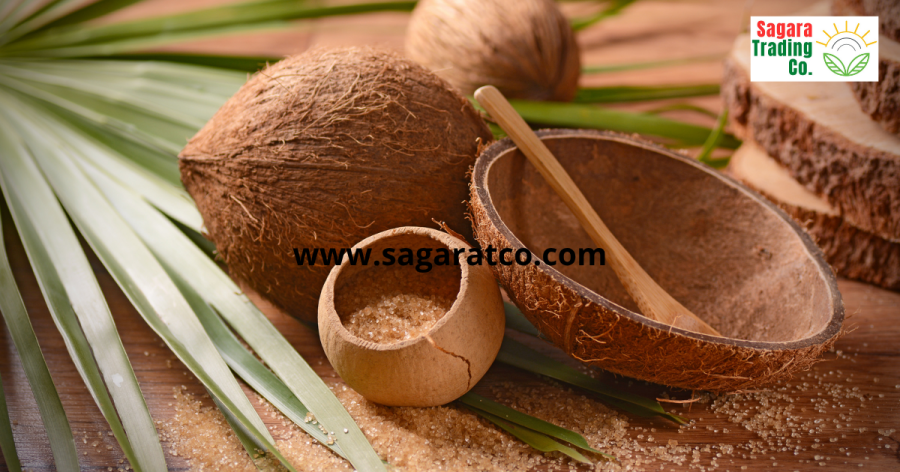
As global demand for natural sweeteners continues to grow, international buyers are paying closer attention to more than just price and product quality. They also want to understand where ingredients come from, how they are processed, and whether suppliers can provide reliable information throughout the supply chain.
For importers, distributors, and food manufacturers, coconut sugar traceability has become an important part of responsible sourcing. It helps buyers evaluate product origins, understand production practices, and build greater confidence in their suppliers.
Indonesia is recognized as an important source of coconut-based agricultural products. With its extensive coconut-growing areas and established agricultural communities, the country offers opportunities for businesses seeking Indonesian coconut sugar for international markets.
However, choosing the right supplier requires asking the right questions.
Why Is Coconut Sugar Traceability Important?
Traceability refers to the ability to follow a product through different stages of its supply chain, from its original source to its final destination.
For coconut sugar, this may include information about coconut-growing areas, sap collection, processing facilities, packaging, storage, and shipment documentation.
1. Building Confidence in Product Origin
Importers should understand where the coconut sugar is produced. Knowing the region or sourcing area helps buyers evaluate the product's origin and establish better supply-chain transparency.
Suppliers should be able to explain whether their products come from specific farming communities, collection areas, or processing partners.
2. Supporting Consistent Product Quality
Traceability can help businesses identify where variations in color, aroma, moisture, or granule size may occur.
For manufacturers, this information is valuable because ingredient consistency can influence the performance of products such as bakery ingredients, beverages, confectionery, and other food applications.
3. Encouraging Responsible Sourcing
Consumers increasingly value transparency and responsible production. Traceability can help businesses understand agricultural practices and sourcing relationships.
However, traceability alone does not prove that a product is organic, fair trade, or environmentally sustainable. Buyers should request the relevant certificates and supporting evidence when making these claims.
Questions Importers Should Ask Indonesian Coconut Sugar Suppliers
Before placing a bulk order, importers can use the following questions to evaluate a supplier's traceability system.
1. Where Does Your Coconut Sugar Come From?
Ask for the production region, sourcing area, or other available origin information. A reliable supplier should be able to explain the product's Indonesian origin.
2. Can You Identify the Farming or Sap Collection Areas?
Understanding where coconut sap is collected provides greater visibility into the early stages of production.
3. How Is the Coconut Sap Collected?
Ask about sap collection methods, handling practices, and how the raw material is transported to the processing facility.
4. Where Is the Coconut Sugar Processed?
Find out whether processing takes place at a local production facility, cooperative, or partner factory. Request relevant facility information where available.
5. What Quality Control Procedures Are Applied?
Ask how the supplier evaluates important product characteristics, including moisture content, color, aroma, texture, and granule size.
You may also request a product specification sheet and available laboratory test reports.
6. Can You Provide Batch or Lot Identification?
Batch numbers help connect finished products with production records. This information is useful when investigating quality concerns or managing repeat orders.
7. What Documents Are Available for Each Shipment?
Depending on the product and destination market, relevant documents may include a commercial invoice, packing list, certificate of origin, certificate of analysis, and applicable food safety or certification documents.
Importers should confirm the exact documentation requirements with their customs broker and relevant authorities.
8. Do You Have Organic Certification?
If you are purchasing organic coconut sugar, ask for a valid certificate and verify its scope, issuing body, validity, and applicability to the product and supply chain.
Do not rely on the word "organic" without supporting documentation.
9. How Is the Product Stored and Packaged?
Proper storage and suitable packaging help protect coconut sugar from moisture and contamination. Ask about packaging materials, storage conditions, and shipping preparation.
10. Can You Explain Your Traceability Process?
Finally, ask the supplier to describe how information is recorded and connected across sourcing, processing, packaging, and shipment stages.
The level of traceability may differ between suppliers, so buyers should evaluate the available records rather than assume every supplier follows the same system.
How Traceability Supports Long-Term B2B Partnerships
For international food manufacturers and distributors, supplier selection is not simply about finding the lowest price. It is about building a dependable relationship that supports product development, quality expectations, and future purchasing plans.
A supplier that communicates clearly about product origin, specifications, documentation, and batch identification can make sourcing decisions more transparent.
For Indonesian coconut sugar, traceability also provides an opportunity to communicate the story behind the ingredient: its agricultural origin, coconut sap collection, local processing, and journey into global food markets.
Why Choose an Indonesian Coconut Sugar Supplier?
Indonesia offers an established agricultural environment for coconut-based products. Indonesian coconut sugar is used in various applications, including beverages, bakery products, sauces, confectionery, and natural sweetener blends.
For importers seeking bulk coconut sugar, evaluating suppliers based on origin information, product specifications, documentation, and communication is an important step toward a successful sourcing partnership.
CV Sagara Trading Corp: Connecting Indonesian Products to Global Markets
CV Sagara Trading Corp, operating under the Sagaratco brand, is an Indonesian coconut sugar supplier focused on connecting Indonesian-origin products with international markets. With an emphasis on reliable sourcing, product information, and professional communication, Sagaratco aims to support buyers looking for Indonesian coconut sugar and other agricultural commodities.
For importers, distributors, and manufacturers interested in sourcing coconut sugar from Indonesia, CV Sagara Trading Corp welcomes inquiries about product specifications, availability, and bulk purchasing opportunities.
Get in Touch CV. Sagara Trading Corp
Looking for a reliable Indonesian coconut sugar supplier or interested in bulk purchases?
-
WhatsApp: +62 878 4405 6342
-
Email: sales@sagaratco.com
-
Instagram: @sagaratco
-
Facebook: Sagaratco
-
Website: https://www.sagaratco.co
#Sagaratco #CVSagaraTradingCorp #CoconutSugar #IndonesiaCoconutSugar #CoconutSugarSupplier #CoconutSugarTraceability #IndonesianExport #SustainableTrade #NaturalSweetener #OrganicProduct #FoodSupplyChain #ResponsibleSourcing #GlobalMarket #CoconutFarmers #SustainableFood
Category:


