
The global food industry is experiencing a significant shift toward natural ingredients, clean-label formulations, and more distinctive flavor profiles. As consumers become increasingly interested in where their food comes from, manufacturers are exploring alternatives to conventional refined sugar. Two ingredients gaining attention are coconut sugar and maple sugar.
Although both are naturally derived sweeteners, they have different origins, flavor characteristics, processing methods, and commercial advantages. Understanding these differences can help food manufacturers choose the right ingredient for bakery products, beverages, snacks, confectionery, and other applications.
For companies seeking a tropical, versatile, and globally scalable ingredient, Indonesian coconut sugar offers an especially interesting option.
What Is Coconut Sugar?
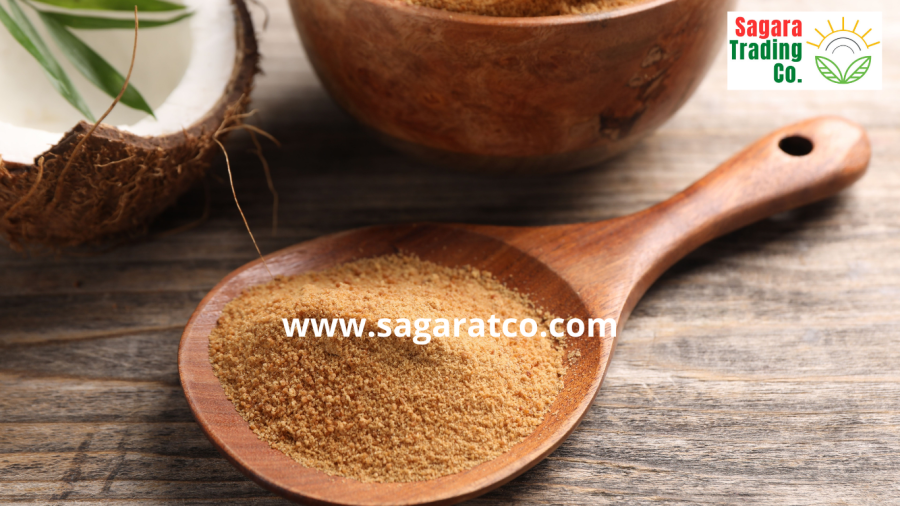
Coconut sugar is produced from the sap of coconut palm blossoms. Farmers collect the sap before it is filtered and heated to reduce its moisture content. The concentrated sap is then processed into granulated or crystal coconut sugar.
It has a warm, caramel-like flavor that can add depth to a wide range of formulations.
What Is Maple Sugar?
Maple sugar is made by concentrating maple sap, traditionally harvested from maple trees in regions such as Canada and the northeastern United States. The sap is boiled until the water evaporates and the remaining sugars crystallize.
Maple sugar typically has a recognizable maple aroma and a rich, distinctive flavor. This makes it particularly attractive for products where a maple identity is part of the desired sensory experience.
Flavor and Product Development
Flavor is one of the most important considerations when choosing a sweetener.
When Coconut Sugar Works Best
Coconut sugar provides a relatively versatile flavor profile. Its caramel-like notes can complement cocoa, nuts, spices, coffee, grains, and tropical fruits without necessarily dominating the formulation.
This makes it suitable for:
-
Granola and breakfast cereals
-
Protein and energy bars
-
Cookies and biscuits
-
Cakes and pastries
-
Chocolate products
-
Plant-based beverages
-
Sauces and marinades
-
Desserts
For manufacturers developing products with a natural or tropical flavor profile, coconut sugar can provide an appealing ingredient story.
When Maple Sugar Is the Better Choice
Maple sugar is particularly valuable when manufacturers want consumers to immediately recognize a maple flavor.
It can work especially well in:
-
Maple cookies
-
Pancakes and breakfast products
-
Maple-flavored cereals
-
Dessert toppings
-
Premium confectionery
-
Seasonal products
Therefore, the choice is not simply about which sweetener is "better." It depends on the identity and sensory direction of the finished product.
Sustainability and Agricultural Origin
Sustainability is becoming an increasingly important factor in global ingredient sourcing.
Coconut sugar is connected to Indonesia's extensive coconut farming sector. Coconut palms are multifunctional crops, and coconut sugar production creates additional value from coconut blossom sap while supporting farming communities.
Why Indonesian Coconut Sugar Has Potential
Indonesia's tropical environment and established coconut agriculture provide a strong foundation for coconut sugar production. For international buyers, this can provide access to a scalable agricultural ingredient with a distinctive origin story.
However, sustainability should not be assumed simply because an ingredient is natural. Buyers should evaluate supplier practices, traceability, farmer relationships, production methods, certifications, and relevant documentation.
Nutritional Considerations
Both coconut sugar and maple sugar are still forms of added sugar. Choosing one over another does not eliminate the need for moderation.
Coconut sugar may contain small amounts of naturally occurring minerals, depending on the raw material and processing method. Maple sugar also contains trace minerals. However, these amounts should not be overstated as a primary nutritional benefit.
For food manufacturers, the strongest reasons to choose either ingredient are often flavor, formulation requirements, ingredient positioning, sourcing, and consumer expectations, rather than treating either sweetener as a health food.
Which Sweetener Fits Your Product?
The right choice depends on your product strategy.
Choose Coconut Sugar If You Want:
-
A caramel-like natural sweetness
-
A tropical ingredient story
-
Versatility across multiple food categories
-
Indonesian agricultural origin
-
A natural sweetener suitable for clean-label concepts
-
A distinctive alternative to conventional refined sugar
Choose Maple Sugar If You Want:
-
A strong maple flavor
-
A North American ingredient identity
-
A premium maple-focused product concept
-
A recognizable flavor associated with breakfast and desserts
For many manufacturers, coconut sugar is particularly attractive when versatility and global sourcing are priorities.
Why Indonesian Coconut Sugar Is Attractive to International Buyers
Indonesia's position as a major coconut-producing country gives international buyers access to an established agricultural supply chain. With appropriate quality control and export capabilities, Indonesian suppliers can provide coconut sugar for commercial food production around the world.
Importers should evaluate suppliers based on moisture content, granulation, color, food safety, packaging, certifications, laboratory testing, production capacity, and export experience.
A consistent supplier can help manufacturers maintain stable formulations and reduce supply-chain risks.
Conclusion
Coconut sugar and maple sugar are both natural sweeteners with unique characteristics, but they serve different product strategies. Maple sugar is ideal when a recognizable maple flavor is central to the product, while coconut sugar offers a versatile caramel-like profile that works across bakery, beverages, snacks, confectionery, and other food categories.
For manufacturers seeking a natural sweetener with a tropical agricultural story and broad formulation potential, Indonesian coconut sugar is an increasingly compelling option.
As global demand for natural ingredients and responsible sourcing continues to grow, choosing the right sweetener is ultimately about finding the best balance between flavor, functionality, sourcing, market positioning, and consumer expectations.
Partner with CV Sagara Trading Corp
CV Sagara Trading Corp is a trusted exporter of Indonesian coconut sugar, supplying coconut sugar and other natural ingredients to international markets. With a focus on quality, responsible sourcing, reliable supply, and professional export services, CV Sagara Trading Corp supports importers, distributors, retailers, and food manufacturers looking for high-quality Indonesian coconut sugar for global product development.
Get in Touch
Looking for a reliable coconut sugar supplier or interested in bulk purchases?
WhatsApp: +62 878 4405 6342
Email: sales@sagaratco.com
Instagram: @sagaratco
Facebook: Sagaratco
Website: www.sagaratco.co
#Sagaratco #OrganicProduct #SustainableTrade #HealthyLiving #NaturalSweetener #CoconutSugar #IndonesiaCoconutSugar #MapleSugar #NaturalSweetener #SustainableFood #EcoFriendlySweetener #OrganicSugar #TropicalTaste #CoconutGoodness #PlantBased #SugarAlternative #HealthyLifestyle #NaturalFlavor #CoconutFarmers #IndonesianExport #GlobalMarket #SustainableSweetness #CleanLabel #FoodIngredients #NaturalIngredients #PremiumSweetener #CVSagaraTradingCorp
Category:


