
As global consumers continue moving toward healthier lifestyles and cleaner ingredient labels, natural sweeteners have become a major trend across the food and beverage industry. Among the most popular alternatives to refined white sugar are coconut sugar and palm sugar—two products that are often confused or mistakenly treated as identical.
Although they share similarities in appearance and traditional production methods, coconut sugar and palm sugar are not always the same product. Understanding the differences can help importers, distributors, food manufacturers, and health-conscious consumers make more informed purchasing decisions.
As one of the world's leading producers, Indonesia coconut sugar continues gaining international attention due to its quality, sustainability, and versatility in global food markets.
Understanding Coconut Sugar and Palm Sugar
At first glance, coconut sugar and palm sugar may appear nearly identical. Both are natural sweeteners produced from palm tree sap and commonly used in traditional and modern food applications.
However, their origins and characteristics can vary.
What Is Coconut Sugar?
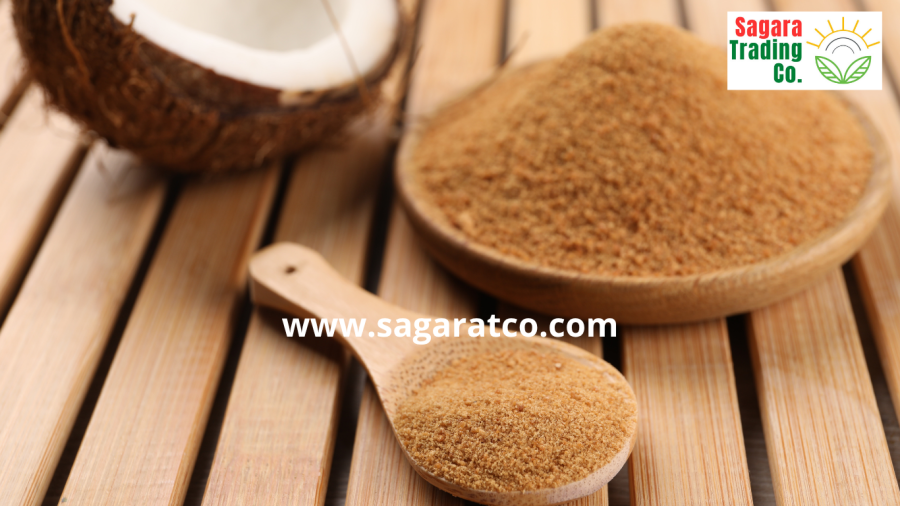
Coconut sugar is made from the nectar collected from coconut palm blossoms. The sap is gently heated until the water evaporates, leaving behind golden to brown crystals.
Coconut sugar is widely appreciated for its:
-
Mild caramel flavor
-
Fine crystal texture
-
Natural origin
-
Versatile food applications
It is frequently used in:
-
Beverages
-
Bakery products
-
Healthy snacks
-
Functional foods
-
Plant-based formulations
What Is Palm Sugar?
Palm sugar is a broader category of sweeteners derived from different types of palm trees depending on region and production tradition.
Sources may include:
-
Palmyra palm
-
Date palm
-
Sugar palm
-
Coconut palm
Because production methods vary, palm sugar products can differ significantly in color, flavor, and texture.
Debunking Common Myths About Coconut Sugar and Palm Sugar
Myth 1: Coconut Sugar and Palm Sugar Are Exactly the Same
This is one of the most common misconceptions.
While coconut sugar technically belongs to the broader palm sugar category, not all palm sugar comes from coconut palms.
The botanical source influences flavor characteristics and product applications.
Myth 2: One Is Automatically Healthier Than the Other
Consumers sometimes assume that one natural sweetener is universally healthier.
In reality, nutritional composition may vary depending on:
-
Production methods
-
Processing conditions
-
Moisture levels
-
Product purity
Both sweeteners are still sources of carbohydrates and should generally be consumed as part of a balanced diet.
Myth 3: Natural Sweeteners Require No Processing
Although both products are considered natural sweeteners, production still involves controlled heating and preparation to create stable finished products.
Quality processing remains essential for maintaining:
-
Flavor consistency
-
Shelf-life performance
-
Export standards
-
Product safety
Flavor Differences: Choosing the Right Sweetener
One reason coconut sugar continues gaining popularity is its balanced taste profile.
Coconut Sugar Flavor Characteristics
Coconut sugar often offers:
-
Gentle sweetness
-
Caramel notes
-
Light toasted flavor
-
Smooth finish
These qualities make it attractive for modern food innovation.
Palm Sugar Flavor Characteristics
Depending on the source palm, palm sugar may deliver:
-
Stronger earthy notes
-
Rich sweetness
-
Deeper color profiles
This diversity allows manufacturers to create distinctive flavor experiences.
Sustainability and the Global Demand for Natural Sweeteners
Consumer interest in sustainable ingredients continues shaping food industry decisions.
Why Indonesian Coconut Sugar Stands Out
Indonesia has become one of the leading suppliers of premium coconut sugar thanks to:
-
Favorable tropical growing conditions
-
Traditional agricultural expertise
-
Expanding export capabilities
-
Growing quality assurance systems
Supporting Sustainable Agriculture
Coconut sugar production supports sustainability because nectar is harvested without cutting down coconut trees.
This renewable process contributes to:
-
Long-term agricultural productivity
-
Rural community development
-
Responsible sourcing practices
-
Reduced environmental pressure
These advantages align with the growing global demand for sustainable food ingredients.
Market Opportunities for Importers and Distributors
As natural sweeteners continue expanding across international markets, businesses increasingly seek products that combine:
-
Authentic flavor
-
Sustainable sourcing
-
Consumer trust
-
Product consistency
Indonesian coconut sugar remains well positioned to support manufacturers developing premium food and beverage products.
Conclusion
Coconut sugar and palm sugar share common roots but are not always interchangeable. Understanding their differences helps consumers and businesses select ingredients that align with taste preferences, sustainability goals, and product requirements.
As global demand for natural sweeteners grows, Indonesian coconut sugar continues to stand out through its distinctive flavor profile, sustainable production practices, and strong international market potential.
Partner with CV Sagara Trading Corp
CV Sagara Trading Corp is a trusted exporter of Indonesian coconut sugar, supplying premium-quality coconut sugar and other natural commodities to international buyers. With a commitment to quality, sustainability, and reliable export partnerships, the company supports businesses seeking authentic Indonesian ingredients for global markets.
Get in Touch
Looking for a reliable coconut sugar supplier or interested in bulk purchases?
WhatsApp: +62 878 4405 6342
Email: sales@sagaratco.com
Instagram: @sagaratco
Facebook: Sagaratco
Website: www.sagaratco.co
#Sagaratco #OrganicProduct #SustainableTrade #HealthyLiving #NaturalSweetener #CoconutSugar #IndonesiaCoconutSugar #PalmSugar #SustainableFood #EcoFriendlySweetener #OrganicSugar #TropicalTaste #CoconutGoodness #PlantBased #SugarAlternative #FairTradeSugar #HealthyLifestyle #NaturalFlavor #SweetFromNature #CoconutFarmers #IndonesianExport #GlobalMarket #SustainableSweetness #FoodInnovation #CVSagaraTradingCorp
Category:


