
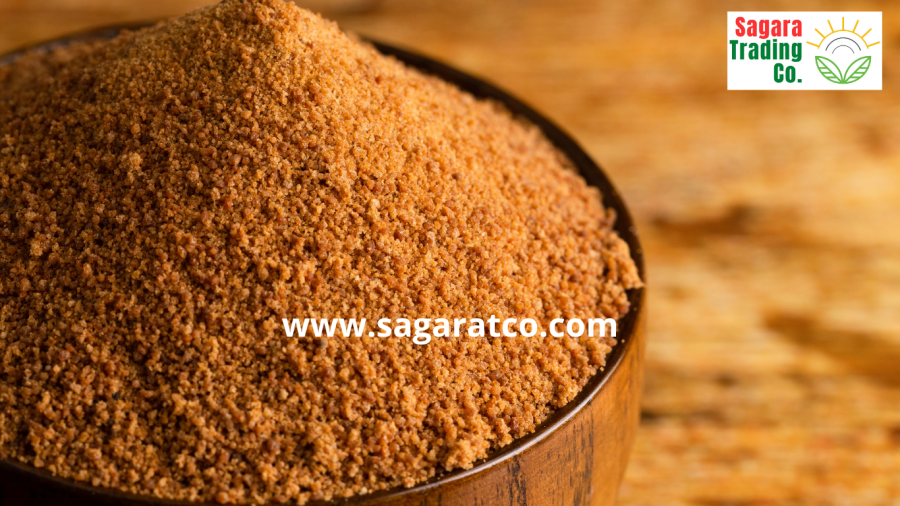
As global consumers become more interested in natural, plant-based, and minimally processed foods, coconut sugar has moved from a traditional Indonesian sweetener to an increasingly recognized ingredient in international food markets. Its caramel-like flavor, plant-based origin, and versatility make it attractive to food manufacturers, distributors, and health-conscious consumers.
However, entering international markets requires more than producing good-tasting coconut sugar. Food safety standards, quality control, traceability, and export documentation are essential for protecting consumers and building long-term relationships with international buyers. For an Indonesian coconut sugar exporter, meeting appropriate food safety requirements is therefore a fundamental part of competing in the global market.
Why Food Safety Matters for Coconut Sugar Exports
Coconut sugar is derived from coconut blossom sap, which is collected, processed, dried, and packaged before being shipped to international customers. Every stage of this process can influence the final product's quality and safety.
International importers increasingly expect suppliers to demonstrate control over potential risks involving contamination, moisture, microbiological quality, foreign materials, pesticides, heavy metals, and improper handling.
Protecting Consumers and Brand Reputation
Food safety is not only a regulatory requirement. It is also a commercial responsibility. A single quality problem can result in rejected shipments, customer complaints, financial losses, and damage to an exporter's reputation.
Reliable coconut sugar suppliers from Indonesia should therefore have documented procedures for maintaining hygiene and product consistency from raw-material collection through final shipment.
Key Food Safety Standards for Coconut Sugar Exporters
The exact requirements vary depending on the destination market, product claims, and customer specifications. Nevertheless, several fundamental areas should receive consistent attention.
1. Good Manufacturing Practices
Good Manufacturing Practices (GMP) establish basic principles for hygienic food production. These include appropriate facility conditions, equipment cleanliness, employee hygiene, pest control, sanitation procedures, and proper handling of raw materials.
For coconut sugar producers, GMP helps reduce the risk of contamination throughout processing and packaging.
2. HACCP-Based Food Safety Management
Hazard Analysis and Critical Control Points (HACCP) is a preventive approach to identifying and controlling food safety hazards.
A coconut sugar producer using HACCP principles should evaluate potential biological, chemical, and physical hazards throughout the production process. Critical control measures can then be established to prevent or reduce identified risks.
For international buyers, HACCP-based systems can provide additional confidence that food safety is managed systematically rather than only through final-product inspection.
3. Microbiological Testing
Microbiological quality is an important consideration for food ingredients. Depending on the buyer and destination market, testing may cover parameters such as total plate count, yeast and mold, coliforms, and specific pathogens.
A Certificate of Analysis (COA) from an appropriate laboratory can help demonstrate that a shipment meets the agreed specifications.
Chemical and Physical Safety Requirements
Food safety extends beyond microorganisms. Coconut sugar exporters should also consider chemical and physical contaminants.
Heavy Metals and Pesticide Residues
International buyers may request testing for heavy metals and pesticide residues, particularly when products are intended for sensitive food applications or markets with strict residue requirements.
The applicable limits depend on the destination country's regulations and the intended use of the ingredient. Exporters should therefore work with qualified laboratories and understand the requirements of each target market.
Foreign Material Control
Foreign materials such as stones, insects, packaging fragments, or other unwanted particles must be prevented through appropriate processing, screening, handling, and quality-control procedures.
Proper facility hygiene and inspection systems are essential for maintaining product integrity.
Moisture Content and Shelf Stability
Moisture is another important quality parameter for coconut sugar. Excessive moisture can contribute to clumping, texture changes, and reduced storage stability.
Why Moisture Control Matters
A reliable coconut sugar exporter should establish a consistent moisture specification and monitor the product before packaging and shipment.
Proper drying, cooling, packaging, and warehouse conditions can help protect coconut sugar throughout international transportation.
For importers, the agreed moisture specification should be clearly stated in the product specification sheet and, where applicable, verified through laboratory testing.
Traceability: Knowing Where the Product Comes From
Traceability is becoming increasingly important in the global food industry. International buyers want greater transparency regarding the origin and movement of agricultural ingredients.
From Coconut Farmers to Finished Product
A robust traceability system can connect raw materials with processing batches, production dates, packaging lots, and shipment documentation.
For Indonesian coconut sugar, traceability can also help exporters demonstrate connections with farming communities and responsible agricultural sourcing.
Certifications and Export Documentation
Depending on the destination market, buyers may request different certifications and documents.
Common documentation can include:
-
Certificate of Analysis
-
Product specification sheet
-
Certificate of Origin
-
Health or sanitary documentation where applicable
-
Organic certification where applicable
-
Production and batch information
-
Packing list
-
Commercial invoice
-
Shipping documents
-
Traceability records
-
Food safety certifications or audit documentation
Organic Claims Require Special Attention
An exporter should never assume that a product can be labeled “organic” simply because it is naturally derived. Organic claims are governed by specific standards and certification systems in different markets.
Importers should verify that the certification is valid for their intended market and product claim.
Why Food Safety Strengthens Indonesian Coconut Sugar Exports
Indonesia has a strong agricultural heritage and extensive coconut-growing communities. Coconut sugar production provides an opportunity to transform coconut blossom sap into a value-added ingredient for international food manufacturers.
However, natural origin alone does not guarantee food safety. Indonesian exporters seeking long-term global partnerships must combine traditional knowledge with modern quality-management practices.
This combination can help Indonesian coconut sugar compete in markets where buyers increasingly demand safe, traceable, consistent, and responsibly sourced food ingredients.
What International Buyers Should Ask Exporters
Before purchasing, importers and distributors should ask potential suppliers:
Supplier Evaluation Checklist
-
What food safety system is implemented?
-
Is HACCP or another recognized food safety system used?
-
Can the supplier provide a current COA?
-
What are the microbiological specifications?
-
What is the moisture specification?
-
Are heavy metals and pesticide residues controlled?
-
Is the product traceable by batch?
-
What certifications are available?
-
What packaging is used for international shipping?
-
Can the supplier maintain consistent quality across repeated orders?
Clear answers to these questions can help buyers distinguish between a basic commodity supplier and a professional coconut sugar exporter for international markets.
The Future of Safe and Sustainable Coconut Sugar
The future of coconut sugar is closely connected to two major global food trends: sustainability and food safety. Consumers want natural ingredients, while manufacturers and regulators require greater transparency, consistency, and documented quality.
For Indonesian producers, meeting recognized food safety principles can strengthen market access and increase buyer confidence. At the same time, responsible sourcing and traceability can help communicate the wider story behind Indonesian coconut sugar—from coconut farmers and traditional production communities to international food manufacturers.
Ultimately, food safety should not be viewed simply as a compliance requirement. It is an investment in product quality, customer trust, and long-term international trade.
CV Sagara Trading Corp is a trusted exporter of Indonesian coconut sugar, connecting international importers, distributors, and food manufacturers with Indonesian-origin ingredients. By emphasizing quality, food safety, reliable communication, and responsible international trade, CV Sagara Trading Corp supports the growing global demand for Indonesian coconut sugar.
Get in Touch
Looking for a reliable Indonesian coconut sugar supplier or interested in bulk purchases?
WhatsApp: +62 878 4405 6342
Email: sales@sagaratco.com
Instagram: @sagaratco
Facebook: Sagaratco
Website: www.sagaratco.co
#Sagaratco #OrganicProduct #SustainableTrade #HealthyLiving #NaturalSweetener #CoconutSugar #IndonesiaCoconutSugar #CoconutSugarExporter #CoconutSugarSupplier #FoodSafety #FoodSafetyStandards #HACCP #GMP #SustainableFood #EcoFriendlySweetener #OrganicSugar #TropicalTaste #CoconutGoodness #PlantBased #SugarAlternative #HealthyLifestyle #NaturalFlavor #SweetFromNature #CoconutFarmers #IndonesianExport #GlobalMarket #SustainableSweetness #FoodIngredients #CVSagaraTradingCorp
Category:


