
A Sweet Story from the Tropics
In the heart of Indonesia’s tropical landscapes, where towering coconut palms sway gently under the sun, a quiet revolution has been taking place. It's not industrial, nor is it digital—it’s sweet, golden, and 100% natural. It’s coconut sugar, a traditional sweetener now making waves across Western countries as a healthier, sustainable, and exotic alternative to white sugar.
As the world shifts toward conscious consumption, coconut sugar has gained global recognition not only for its rich caramel flavor but also for its lower glycemic index, nutritional value, and eco-friendly production methods. But how did this humble product travel from small Indonesian villages to upscale Western kitchens and gourmet cafes?
Let’s trace the inspiring journey—from the sap of coconut trees in rural Indonesia to dining tables in New York, Berlin, and beyond.
It Begins with the Tree – The Art of Tapping Nira
The journey starts with nira, the sweet sap collected from the flower buds of coconut trees. Local farmers skillfully climb the trees every morning and evening, carefully slicing the blossoms to tap the nectar. This practice is not just labor-intensive but also deeply traditional, passed down from generation to generation.
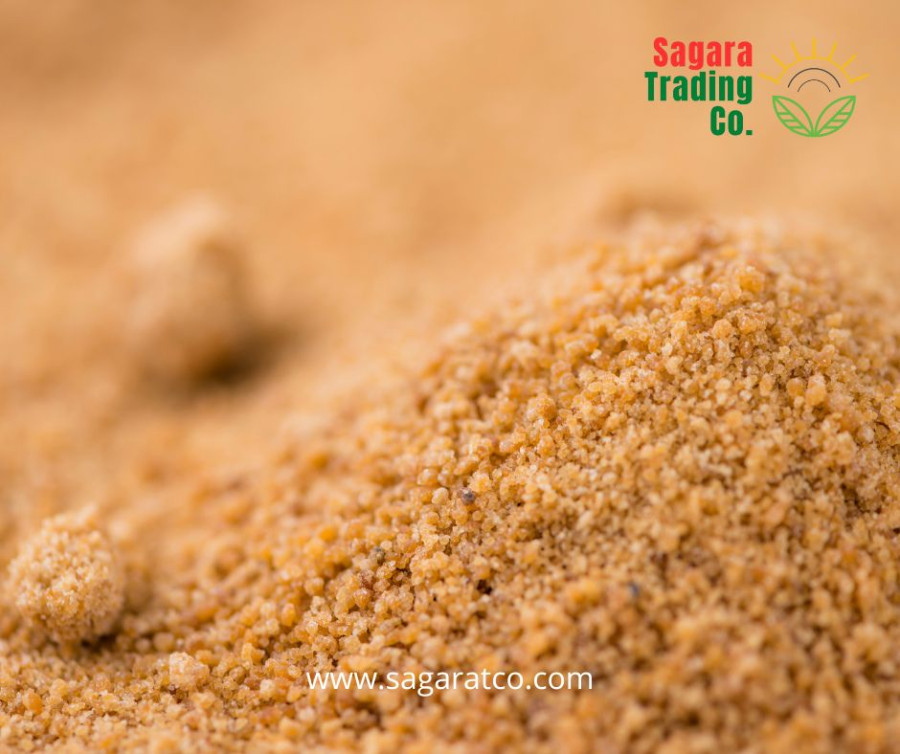
Once collected, the sap is immediately cooked over wood-fired stoves, slowly evaporating until it thickens and crystallizes into golden brown sugar. Unlike refined white sugar, this method keeps many natural nutrients intact, such as potassium, zinc, iron, and inulin—a prebiotic fiber beneficial for gut health.
This artisanal method defines the essence of coconut sugar: unrefined, pure, and rooted in heritage.
The Taste that Travelled – From Local Use to Global Trend
Coconut sugar has long been used in Indonesian households, particularly in traditional desserts like klepon, gudeg, and kue lapis. It was not until the early 2010s that health-conscious consumers in the West began to discover its benefits.
What sparked the trend? A few key factors:
-
Health & Wellness Movements: As awareness of sugar-related health issues increased, people looked for lower-glycemic alternatives. Coconut sugar (with a GI of around 35) gained favor over refined sugar.
-
Natural & Organic Food Trends: As the demand for natural sweeteners rose, coconut sugar stood out due to its minimal processing and no chemical additives.
-
Plant-Based Lifestyle Popularity: Vegans and plant-based eaters welcomed coconut sugar as a suitable replacement in baking, drinks, and cooking.
This demand wave opened the doors for Indonesian coconut sugar producers to enter the export market—and the timing couldn’t have been better.
Indonesia, the Land of Abundance and Expertise
As one of the largest coconut-producing countries in the world, Indonesia holds a natural advantage. Not only does the archipelago have the right climate, but it also has communities that have mastered the production techniques for centuries.
According to data from the Indonesian Ministry of Trade, over 65% of exported coconut sugar originates from Java and surrounding islands. Many exporters work directly with smallholder farmers, creating a direct trade model that empowers communities while ensuring traceability.
CV Sagara Trading Corp, for example, is one of Indonesia’s trusted suppliers of coconut sugar for the international market. With a commitment to quality, sustainability, and fair trade, Sagara bridges the gap between local producers and global buyers, ensuring every granule of sugar tells a story of tradition and care.
Sustainability – Sweetness with a Purpose
One of the key selling points of coconut sugar in the West is its environmental sustainability. Here’s why:
- Minimal Carbon Footprint: Coconut trees require little water compared to sugarcane, and they can produce sap for up to 20 years.
- Agroforestry Systems: Coconut farming can be part of mixed cropping systems, preserving biodiversity.
- Empowering Rural Economies: Export demand creates economic opportunities for rural communities, particularly for women who often play a key role in sugar processing.
Consumers in countries like Germany, the USA, and the UK are increasingly driven by ethical purchasing. Labels like “organic,” “fair trade,” and “sustainably sourced” now influence buying decisions more than ever—making Indonesian coconut sugar a perfect match.
Making Its Mark – Coconut Sugar in Western Cuisine
From organic grocery stores in Los Angeles to gluten-free bakeries in London, coconut sugar is now a mainstream product. Western chefs and food companies appreciate its:
- Rich flavor profile – similar to brown sugar or toffee
- Versatility – works well in cookies, smoothies, sauces, and even cocktails
- Health appeal – perceived as a better alternative for diabetics and health-conscious eaters
Some popular products that now use Indonesian coconut sugar include:
- Plant-based protein bars
- Natural sweetened granolas
- Artisanal chocolates
- Vegan baking mixes
- Healthy coffee creamers and lattes
This diversification proves that coconut sugar is not just a passing trend—it’s becoming a pantry staple in modern kitchens.
Challenges and Innovations Ahead
While the coconut sugar industry has made impressive strides, challenges remain:
- Scalability: Maintaining artisanal quality while meeting rising global demand
- Certification Costs: Obtaining organic or fair trade certifications can be expensive for small producers
- Climate Sensitivity: Weather patterns affect sap yield and quality
To address this, many exporters and cooperatives are investing in farmer training, traceability systems, and digital tools to improve efficiency without compromising tradition.
Government initiatives and private sector efforts continue to play a role in supporting sustainable agriculture and boosting Indonesia’s coconut sugar exports to the world.
A Taste of Indonesia, Shared Globally
Coconut sugar’s journey is a sweet metaphor for Indonesia’s growing presence in the global food industry. From humble beginnings as a village-made sweetener, it has risen to become a globally celebrated product, known for its taste, health benefits, and sustainability.
For consumers in the West, every spoonful of coconut sugar is more than just a sweetener—it’s a connection to the coconut farmers of Java, the rich soil of Indonesia, and a way of life that respects both tradition and nature.
And for Indonesia, coconut sugar is more than an export product—it’s a symbol of cultural pride and global opportunity.
Want to Source Authentic Coconut Sugar?
CV Sagara Trading Corp is a reliable and experienced partner for high-quality coconut sugar exports from Indonesia. With years of experience, strict quality control, and direct relationships with certified farmers, Sagara ensures only the best coconut sugar reaches your shelves.
 Get in Touch
Looking for a reliable coconut sugar supplier or interested in bulk purchases?
WhatsApp: +62 878 4405 6342
Email: sales@sagaratco.com
Instagram: @sagaratco
Facebook: Sagaratco
Website: www.sagaratco.com
Category:


