
From Sap to Powder: A Journey of Flavor and Tradition
Coconut sugar has become one of the world’s most sought-after natural sweeteners. With its soft caramel profile and low glycemic index, this natural sugar now sits at the center of global conversations about sustainability, organic lifestyles, and plant-based diets. But before it reaches global shelves as an essential ingredient for kombucha brewing, kefir fermentation, or healthy baking, coconut sugar undergoes a long, magical journey filled with tradition and craftsmanship.
Indonesia—especially Java, Bali, and Sulawesi—has practiced the art of making coconut sugar for centuries. The process is not just about creating sweetness; it is about nurturing trees, protecting ecosystems, and honoring the skill of local farmers.
Harvesting Coconut Sap: The Beginning of Every Sweet Crystal
The journey of coconut sugar begins with nira, the natural sweet sap collected from coconut flower blossoms. Farmers climb the coconut trees every morning and afternoon to collect fresh sap. This process:
-
Does not harm the tree
-
Does not require land clearing
-
Supports sustainable farming as coconut trees produce continuously
Fresh sap contains natural sugars, minerals, and amino acids—and must be cooked immediately to maintain its quality and prevent fermentation.
The Heating Process: Transforming Liquid Gold into Thick Syrup
The Art of Stirring Sap
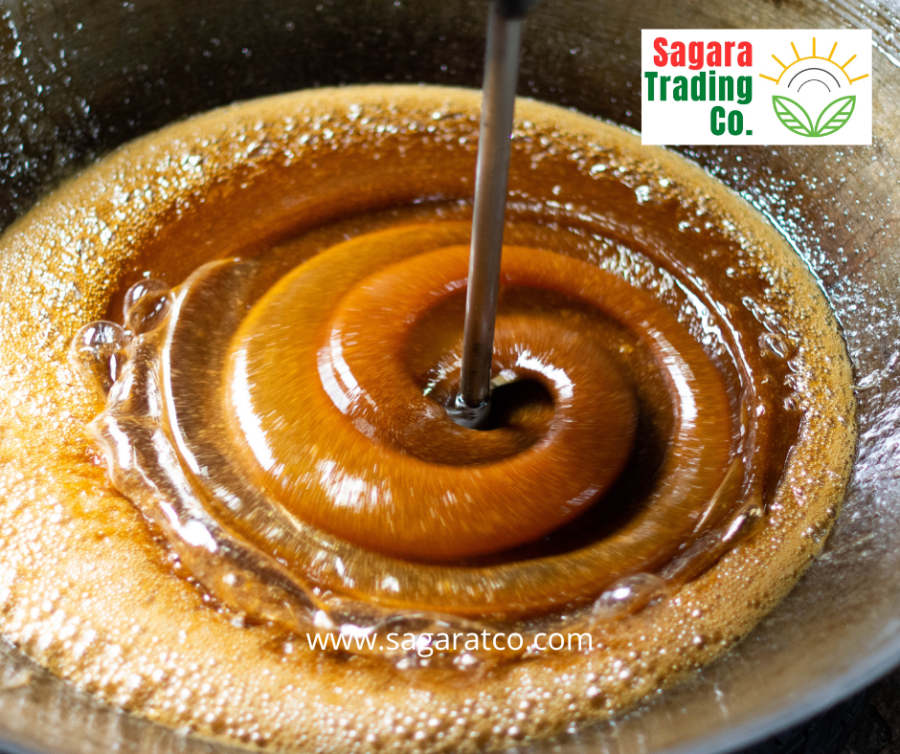
The sap is heated in large iron pans. During this stage:
-
Water evaporates
-
Natural sugars begin to thicken
-
A rich caramel aroma emerges
Farmers stir the sap for hours—an essential skill requiring intuition and experience to ensure the sap thickens perfectly without burning.
Becoming Coconut Sugar Paste
As the sap turns into a thick golden-brown syrup, the fire is reduced. The syrup is stirred rapidly again, transforming it into a coconut sugar paste ready for shaping or drying.
Drying and Grinding: The Birth of Tropical Golden Powder
Turning Paste into Powdered Coconut Sugar
The sugar paste is cooled until it hardens, then crushed and sieved into fine powder. This powdered form is popular among:
-
Fermented drink producers
-
Health food manufacturers
-
Bean-to-bar chocolate makers
-
Vegan and plant-based food markets
Coconut sugar remains unrefined and unbleached, preserving its natural minerals and nutrients.
Why the Global Industry Chooses Indonesian Coconut Sugar
Indonesian coconut sugar has become a global favorite not only for its flavor but also for its advantages:
-
More natural than refined sugar
-
Supports sustainable farming and smallholder farmers
-
An eco-friendly sweetener with a low carbon footprint
-
Ideal for kombucha, kefir, baking, and vegan snacks
-
Fits clean-label and organic food trends
In recent years, worldwide demand for organic coconut sugar has surged, especially across Europe, the U.S., and Asia—driven by increasing awareness of health, sustainability, and natural ingredients.
CV Sagara Trading Corp: Your Trusted Indonesian Coconut Sugar Exporter
CV Sagara Trading Corp is a trusted exporter of Indonesian agricultural products, including organic coconut sugar. With strong farmer partnerships and strict quality control systems, Sagara ensures every product meets international standards.
We supply coconut sugar in multiple forms:
- Powder
- Granules
- Blocks
- Liquid coconut nectar
Suitable for retail, bulk, and industrial-scale orders.
Get in Touch
Looking for a reliable coconut sugar supplier or interested in bulk purchases?
WhatsApp: +62 878 4405 6342
Email: sales@sagaratco.com
Instagram: @sagaratco
Facebook: Sagaratco
Website: www.sagaratco.co
#Sagaratco #OrganicProduct #SustainableTrade #HealthyLiving #NaturalSweetener #CoconutSugar #KombuchaBrewing #KefirFermentation #IndonesiaCoconutSugar #SustainableFood #EcoFriendlySweetener #OrganicSugar #TropicalTaste #CoconutGoodness #PlantBased #SugarAlternative #FairTradeSugar #HealthyLifestyle #NaturalFlavor #AsianSuperfood #SweetFromNature #CoconutFarmers #IndonesianExport #GlobalMarket #SustainableSweetness #CVSagaraTradingCorp
Category:


