
As consumers worldwide become more conscious about sugar consumption, blood sugar management, and overall wellness, natural sweeteners are gaining unprecedented attention. Among the many alternatives to refined sugar, coconut sugar has emerged as a popular choice due to its natural origin, distinctive flavor, and reputation for having a lower glycemic impact.
But what does science actually say about the glycemic index of coconut sugar and its effect on insulin response? Understanding these factors is essential for health-conscious consumers, food manufacturers, importers, and distributors looking to meet the growing demand for healthier and more sustainable sweetening solutions.
At the center of this global trend is Indonesian coconut sugar, a premium agricultural product increasingly recognized in international markets for both its quality and sustainability.
Understanding Glycemic Index and Insulin Response
To evaluate any sweetener properly, it is important to understand two key concepts: glycemic index (GI) and insulin response.
What Is the Glycemic Index?
The glycemic index is a measurement that ranks carbohydrate-containing foods according to how quickly they raise blood glucose levels after consumption.
Foods are generally classified as:
-
Low GI: 55 or below
-
Medium GI: 56–69
-
High GI: 70 or above
Foods with a lower glycemic index tend to release glucose more gradually into the bloodstream, potentially helping support more stable energy levels.
What Is Insulin Response?
Insulin is a hormone produced by the pancreas that helps move glucose from the bloodstream into cells where it can be used for energy.
When blood sugar rises rapidly after eating, the body typically releases more insulin. Frequent spikes in blood sugar and insulin levels have become a growing concern among health professionals due to their association with metabolic health challenges.
As a result, many consumers are actively seeking lower-glycemic sweetener alternatives.
What Makes Coconut Sugar Different?
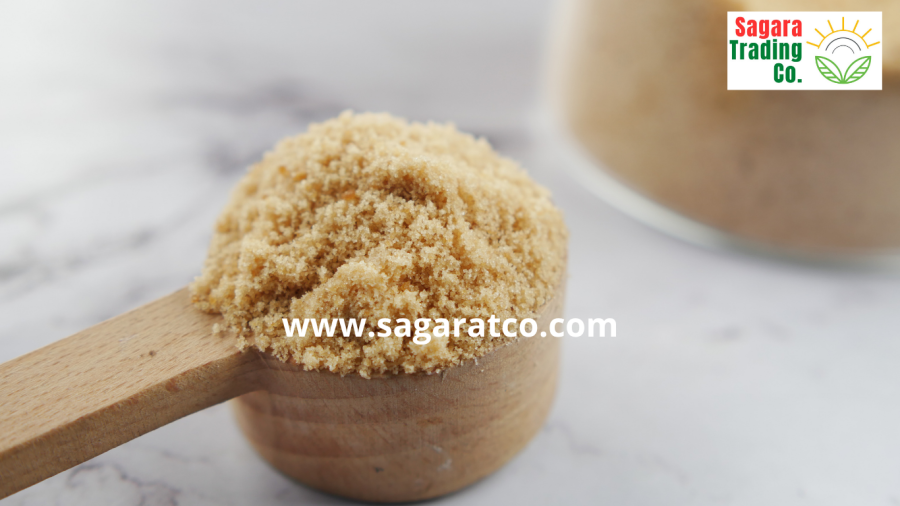
Coconut sugar is produced from the nectar of coconut palm blossoms. The sap is carefully collected and gently heated until it crystallizes into a golden-brown sweetener.
Unlike highly refined white sugar, coconut sugar undergoes minimal processing, helping preserve some naturally occurring compounds found in the original sap.
Nutritional Components of Coconut Sugar
Coconut sugar contains small amounts of:
-
Potassium
-
Calcium
-
Iron
-
Zinc
-
Antioxidants
Although these nutrients are present in relatively modest quantities, they contribute to coconut sugar's appeal as a less processed alternative to conventional sugar.
The Glycemic Index of Coconut Sugar
One reason coconut sugar has attracted attention is its reported glycemic index, which is generally considered lower than that of refined table sugar.
Why Is the GI Lower?
The primary factor is the presence of inulin, a naturally occurring dietary fiber found in coconut palm sap.
Inulin may help slow the absorption of glucose during digestion, potentially reducing the speed at which blood sugar rises after consumption.
As a result, coconut sugar is often promoted as a lower glycemic sweetener compared to traditional cane sugar.
However, it is important to understand that glycemic index values can vary depending on:
-
Production methods
-
Processing conditions
-
Product purity
-
Individual metabolic responses
Does Coconut Sugar Eliminate Blood Sugar Spikes?
No.
While coconut sugar may produce a slower glucose response than refined sugar, it still contains significant amounts of carbohydrates and calories. Consumers should view it as a potentially lower-glycemic alternative rather than a sugar-free product.
Moderation remains essential for maintaining balanced dietary habits.
Coconut Sugar vs. Refined Sugar: A Scientific Comparison
Refined White Sugar
Refined sugar is highly processed and composed primarily of sucrose. It contains virtually no meaningful vitamins, minerals, or dietary fiber.
Characteristics include:
-
Rapid digestion
-
Faster blood sugar increase
-
Strong insulin response
-
Minimal nutritional value
Coconut Sugar
Coconut sugar offers:
-
Less intensive processing
-
Trace minerals and antioxidants
-
Presence of natural inulin
-
Potentially lower glycemic impact
For consumers seeking more natural sweetener options, coconut sugar provides an appealing balance between functionality and nutritional perception.
Why Health-Conscious Consumers Are Choosing Coconut Sugar
The global wellness movement has fueled growing interest in foods that support healthier lifestyles without sacrificing flavor.
Popular Applications Include:
-
Organic beverages
-
Functional foods
-
Healthy snacks
-
Plant-based products
-
Natural baking ingredients
-
Clean-label formulations
The rich caramel-like flavor of coconut sugar also enhances its popularity among chefs, food manufacturers, and artisan product developers.
The Sustainability Advantage of Indonesian Coconut Sugar
Beyond health considerations, sustainability has become a major purchasing factor for consumers and businesses alike.
Environmentally Responsible Production
Coconut sugar production is considered highly sustainable because coconut palms continue producing sap for years without requiring tree removal.
This renewable harvesting process helps preserve ecosystems while supporting long-term agricultural productivity.
Supporting Local Communities
Across Indonesia, thousands of smallholder farmers depend on coconut sugar production as a source of income. International demand for premium coconut sugar helps strengthen rural economies and encourages sustainable farming practices.
Rising Global Demand
The global market for natural sweeteners continues to expand as manufacturers seek ingredients that align with consumer preferences for:
-
Clean labels
-
Sustainable sourcing
-
Natural nutrition
-
Ethical supply chains
This trend has positioned Indonesia coconut sugar as one of the most sought-after products in the natural sweetener industry.
Future Opportunities for Importers and Distributors
As consumers become more informed about glycemic management and ingredient transparency, coconut sugar is expected to remain a strong growth category within the global food industry.
Importers and distributors can benefit from increasing demand driven by:
-
Health-conscious consumers
-
Organic product markets
-
Specialty food manufacturers
-
Sustainable sourcing initiatives
-
Functional food innovation
The combination of nutritional appeal, distinctive flavor, and sustainability makes coconut sugar a compelling ingredient for future market growth.
Partner with CV Sagara Trading Corp
CV Sagara Trading Corp is a trusted exporter of Indonesian coconut sugar, supplying premium-quality coconut sugar and other natural commodities to international buyers. With a commitment to quality, sustainability, and reliable global partnerships, the company helps businesses source authentic Indonesian products that meet international market standards.
Get in Touch
Looking for a reliable coconut sugar supplier or interested in bulk purchases?
WhatsApp: +62 878 4405 6342
Email: sales@sagaratco.com
Instagram: @sagaratco
Facebook: Sagaratco
Website: www.sagaratco.co
#Sagaratco #OrganicProduct #SustainableTrade #HealthyLiving #NaturalSweetener #CoconutSugar #IndonesiaCoconutSugar #LowGlycemicSweetener #BloodSugarManagement #HealthyLifestyle #OrganicSugar #SustainableFood #EcoFriendlySweetener #PlantBased #SugarAlternative #NaturalNutrition #CleanLabel #FunctionalFood #CoconutFarmers #IndonesianExport #GlobalMarket #SustainableSweetness #HealthyChoices #CVSagaraTradingCorp
Category:


