
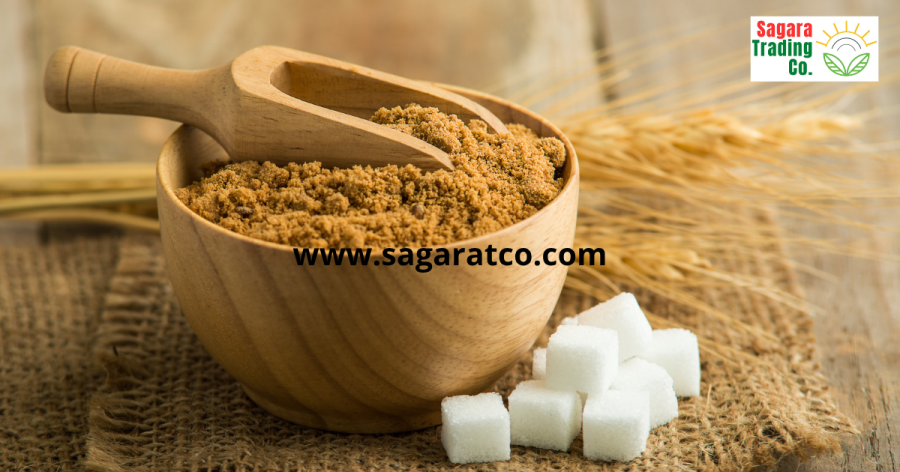
In modern food manufacturing, appearance is almost as important as flavor. Consumers often associate the golden-brown color of bread, cookies, cakes, granola, and pastries with freshness, richness, and good baking quality. As food brands increasingly move toward natural and clean-label ingredients, coconut sugar has attracted attention not only as a natural sweetener but also for its ability to influence the color and visual character of baked products.
For bakers and food manufacturers, understanding how coconut sugar affects the color of baked food products is important when developing consistent recipes. Its natural brown color and chemical composition can create deeper tones than refined white sugar, making it an interesting ingredient for products where a warm, rustic, or premium appearance is desirable.
Why Does Coconut Sugar Change the Color of Baked Foods?
Coconut sugar is produced from the sap of coconut palm blossoms. Unlike highly refined white sugar, it generally retains naturally occurring compounds that contribute to its characteristic golden-brown to dark-brown appearance.
When coconut sugar is incorporated into a baking formulation, these natural color compounds can directly influence the final appearance of the product. The result may range from a light golden color to a deeper caramel-like brown, depending on the type and amount of coconut sugar used.
The Role of Caramelization
One of the main processes responsible for browning during baking is caramelization. When sugars are exposed to elevated temperatures, they undergo a series of chemical reactions that create brown pigments and characteristic roasted or caramel-like flavors.
Because coconut sugar already has a naturally darker color than refined white sugar, baked products containing coconut sugar can develop a more pronounced brown appearance. This can be particularly attractive in cookies, muffins, cakes, energy bars, granola, and other baked goods.
Maillard Reaction and Coconut Sugar
Another important process is the Maillard reaction, which occurs between reducing sugars and amino acids or proteins under heat. This reaction contributes to the browning, aroma, and complex flavor of many baked foods.
The final color of a coconut sugar-based product is therefore influenced by several factors, including the recipe's protein content, moisture level, baking temperature, baking time, and sugar concentration.
Coconut Sugar in Different Baked Products
The visual effect of coconut sugar varies according to the product formulation.
Cookies and Biscuits
Coconut sugar can give cookies a deeper golden-brown or caramelized appearance. This makes it particularly suitable for products marketed around natural ingredients, traditional recipes, or premium flavors.
Cakes and Muffins
In cakes and muffins, coconut sugar can produce a warmer crumb and darker surface. Manufacturers should carefully control the formulation because excessive use may create a color that is darker than the desired product specification.
Granola and Energy Bars
Coconut sugar works well in granola and snack bars where a golden-brown appearance is often associated with toasted ingredients. It can also complement ingredients such as oats, nuts, seeds, coconut, cacao, and dried fruits.
Bread and Pastries
For selected bread and pastry formulations, coconut sugar can contribute to surface browning and a more rustic appearance. However, recipe developers should test different concentrations to maintain the desired texture and color consistency.
Factors That Influence Coconut Sugar Browning
The color produced by coconut sugar is not determined by the sweetener alone. Several processing conditions can affect the final result.
Baking temperature: Higher temperatures generally accelerate browning reactions.
Baking time: Longer exposure to heat can result in a darker surface.
Moisture: Water content influences how heat and sugar reactions develop during baking.
Sugar concentration: Increasing coconut sugar may intensify both sweetness and color.
Protein content: Ingredients such as milk, eggs, and plant proteins can influence Maillard browning.
Particle size: Fine coconut sugar may disperse differently from larger granules, affecting consistency throughout the formulation.
For commercial manufacturers, controlling these variables is essential for achieving repeatable results from one production batch to another.
Why Indonesian Coconut Sugar Is Attracting Global Attention
The global food industry is increasingly interested in natural sweeteners, clean-label ingredients, sustainable sourcing, and plant-based food innovation. Indonesian coconut sugar fits naturally into these trends because Indonesia has a strong coconut-growing tradition and an established agricultural supply base.


For international buyers, Indonesian coconut sugar can provide more than sweetness. Its characteristic color and flavor can help food manufacturers develop products with a distinctive visual identity while supporting the use of naturally derived ingredients.
However, buyers should evaluate important specifications such as moisture content, granulation, color, microbiological quality, packaging, shelf life, food safety documentation, and consistency between batches.
Choosing Coconut Sugar for Commercial Baking
For importers and food manufacturers, selecting the right supplier is essential. A reliable Indonesian coconut sugar supplier should be able to provide consistent product specifications and appropriate documentation for international trade.
Manufacturers should consider:
-
Consistent color and granulation
-
Controlled moisture content
-
Reliable food safety standards
-
Appropriate packaging for international shipping
-
Stable supply capacity
-
Product traceability
-
Organic certification when required
-
Export documentation
-
Consistent quality between batches
These factors become particularly important when coconut sugar is used in large-scale bakery production, where even small variations in ingredient characteristics can affect the final product.
The Future of Coconut Sugar in the Bakery Industry
As consumers increasingly look for recognizable ingredients and naturally positioned foods, coconut sugar has an opportunity to become a valuable ingredient in modern bakery applications. Its naturally warm color can help create visually appealing products while complementing flavor profiles associated with caramel, toasted coconut, nuts, chocolate, and spices.
It is important to remember that coconut sugar is still an added sugar, so its natural origin does not automatically make a baked product nutritionally superior. Its strongest advantages for manufacturers often relate to ingredient positioning, flavor, color, and formulation versatility.
For international buyers seeking Indonesian coconut sugar for baking, bakery manufacturing, granola, snacks, and food production, choosing a consistent and reliable exporter is an important part of building a dependable supply chain.
CV Sagara Trading Corp – Indonesian Coconut Sugar Exporter
CV Sagara Trading Corp is a trusted exporter of Indonesian coconut sugar, connecting international buyers with quality ingredients sourced from Indonesia. With a focus on products such as coconut sugar and other natural agricultural ingredients, CV Sagara Trading Corp supports importers, distributors, and food manufacturers looking for reliable Indonesian suppliers and bulk ingredient solutions.
Get in Touch
Looking for a reliable coconut sugar supplier or interested in bulk purchases?
WhatsApp: +62 878 4405 6342
Email: sales@sagaratco.com
Instagram: @sagaratco
Facebook: Sagaratco
Website: www.sagaratco.co
#Sagaratco #OrganicProduct #SustainableTrade #HealthyLiving #NaturalSweetener #CoconutSugar #IndonesiaCoconutSugar #SustainableFood #EcoFriendlySweetener #OrganicSugar #TropicalTaste #CoconutGoodness #PlantBased #SugarAlternative #FairTradeSugar #HealthyLifestyle #NaturalFlavor #AsianSuperfood #SweetFromNature #CoconutFarmers #IndonesianExport #GlobalMarket #SustainableSweetness #CVSagaraTradingCorp
Category:


