
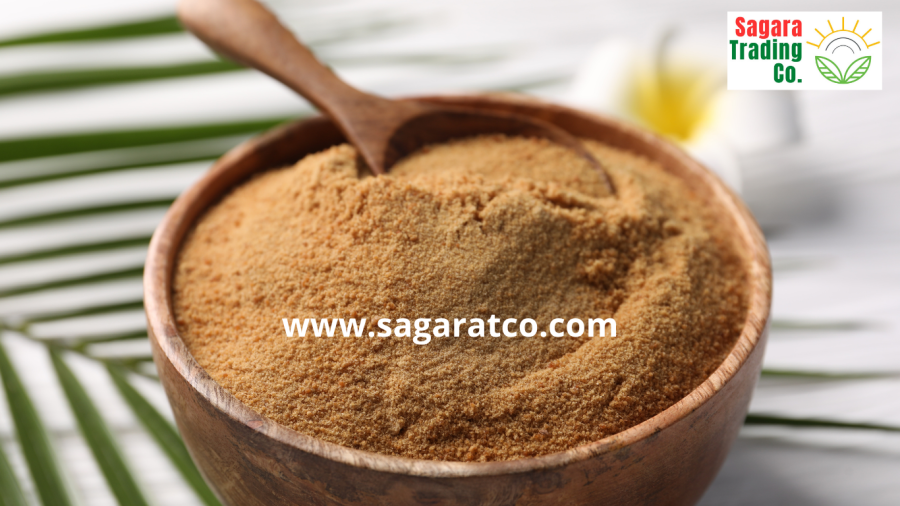
The global food industry is changing rapidly as consumers become more conscious about what goes into the products they buy. Today’s shoppers increasingly look for recognizable ingredients, natural alternatives, plant-based formulations, and products that align with broader health and sustainability values. For food brands, these trends create an opportunity to rethink traditional formulations and explore ingredients such as coconut sugar.
Made from the sap of coconut palm blossoms, coconut sugar has gained international attention as a naturally derived sweetener with a distinctive caramel-like flavor. For manufacturers, it can provide more than sweetness—it can support product positioning around natural ingredients, clean-label formulation, and sustainable sourcing.
The Growing Consumer Demand for Natural Sweeteners
Consumers are increasingly interested in foods with simple, familiar ingredient lists. This has contributed to growing interest in natural sweeteners, including coconut sugar, maple sugar, dates, and other minimally processed sweetening ingredients.
Why Clean Labels Matter
A clean-label approach generally focuses on ingredients that consumers can easily recognize and understand. Coconut sugar can fit naturally into this positioning because it is derived from coconut palm sap rather than being produced from highly refined sugar sources.
Food manufacturers can use coconut sugar in products such as:
-
Granola and breakfast cereals
-
Protein and energy bars
-
Cookies and biscuits
-
Chocolate and confectionery
-
Plant-based beverages
-
Bakery products
-
Sauces and dressings
-
Instant drink mixes
-
Dairy-free and vegan snacks
This versatility allows brands to respond to consumer demand for natural ingredients without completely changing familiar product categories.
Coconut Sugar and the Health-Conscious Food Market
One reason coconut sugar has attracted attention is its perception as a more natural alternative to conventional refined sugar. However, it is important for responsible food brands to communicate this distinction accurately.
A Natural Sweetener, Not a Sugar-Free Ingredient
Coconut sugar is still a form of sugar and contributes carbohydrates and calories. It should not automatically be marketed as a low-sugar or sugar-free ingredient.
Its appeal is instead connected to its natural origin, characteristic flavor, and processing profile. Depending on the product formulation and target market, these characteristics can help brands create differentiated products that appeal to consumers seeking alternatives to highly refined ingredients.
For manufacturers, this distinction is important. Strong product communication should focus on what coconut sugar actually offers rather than making unsupported health claims.
The Flavor Advantage of Indonesian Coconut Sugar
Beyond consumer health trends, coconut sugar provides a valuable sensory advantage. Indonesian coconut sugar typically offers warm caramel, molasses-like, and subtly earthy notes that can enhance the flavor profile of finished products.
Creating Premium and Distinctive Products
For a bakery manufacturer, replacing or partially replacing refined sugar with coconut sugar can create a deeper flavor experience in cookies, cakes, muffins, and granola.
In chocolate and snack products, its rich profile can complement cocoa, nuts, seeds, cinnamon, vanilla, and tropical ingredients. In beverages, coconut sugar can add depth while helping manufacturers develop a more distinctive flavor identity.
This makes Indonesian coconut sugar for food manufacturers particularly interesting for brands looking to differentiate products in competitive international markets.
Sustainability: Connecting Sweeteners with Responsible Sourcing
Health is only one part of the modern food trend. Sustainability is increasingly influencing purchasing decisions among consumers, retailers, and food manufacturers.
Coconut palms can provide multiple agricultural benefits because farmers can harvest sap from coconut blossoms without cutting down the entire tree. When managed responsibly, coconut-based agriculture can therefore form part of a more resource-conscious supply chain.
Supporting Indonesian Coconut Farmers
Indonesia has a large coconut-growing sector and a long tradition of producing coconut-based foods. Coconut sugar production can provide additional income opportunities for farming communities by turning coconut blossom sap into a higher-value agricultural product.
For international brands, sourcing Indonesian coconut sugar can therefore connect a product with a broader story involving traditional agriculture, rural livelihoods, sustainable food production, and global trade.
How Food Brands Can Use Coconut Sugar Strategically
The most successful applications depend on the product category, formulation, target consumer, and desired sensory profile.
1. Clean-Label Snacks
Snack manufacturers can incorporate coconut sugar into granola, cereal bars, energy bites, and other products positioned around natural ingredients.
2. Plant-Based Products
Coconut sugar is naturally plant-derived, making it compatible with many vegan and plant-based formulations. It can be used in plant-based beverages, desserts, bakery products, and snack products.
3. Premium Bakery and Confectionery
Its caramel-like flavor can support premium positioning, particularly when combined with ingredients such as cocoa, nuts, spices, coffee, or dried fruit.
4. Functional and Better-for-You Foods
Food brands developing products around wellness trends can use coconut sugar as part of a broader ingredient strategy. However, overall nutritional quality remains more important than simply replacing one sweetener with another.
Why Indonesian Coconut Sugar Has Global Potential
Indonesia's combination of coconut-growing conditions, traditional production knowledge, and established agricultural communities makes it an important origin for coconut sugar.
For international buyers, however, product quality and supply consistency remain essential. Importers should evaluate specifications such as moisture content, color, granulation, packaging, food safety documentation, certifications, microbiological standards, traceability, and production capacity before selecting a supplier.
A reliable Indonesian coconut sugar exporter should be able to communicate clearly about specifications, quality control, documentation, logistics, and export requirements.
The Future of Coconut Sugar in Food Innovation
The future of coconut sugar is closely connected to the broader evolution of the food industry. Consumers are not simply searching for “healthier sugar”; they are increasingly looking for products that combine recognizable ingredients, appealing flavor, responsible sourcing, and transparent brand stories.
For food manufacturers, coconut sugar can serve as one component of this strategy. Its natural origin, distinctive taste, versatility, and connection to Indonesian agriculture make it particularly relevant for brands developing premium, plant-based, clean-label, and sustainability-oriented products.
A Balanced Approach to Natural Sweeteners
Ultimately, coconut sugar should not be presented as a magic health ingredient. It remains a sugar and should be consumed appropriately. Its strongest commercial value comes from combining natural sourcing, unique flavor, product versatility, and a compelling agricultural story.
For brands, this balanced approach can create more credible marketing and stronger consumer trust.
CV Sagara Trading Corp is a trusted exporter of Indonesian coconut sugar, supporting international buyers looking for quality-focused and reliable sourcing from Indonesia. With coconut sugar becoming increasingly relevant to natural, clean-label, plant-based, and sustainable food trends, Indonesian coconut sugar offers food brands an opportunity to combine distinctive flavor with a compelling origin story.
Get in Touch
Looking for a reliable Indonesian coconut sugar supplier or interested in bulk purchases?
WhatsApp: +62 878 4405 6342
Email: sales@sagaratco.com
Instagram: @sagaratco
Facebook: Sagaratco
Website: www.sagaratco.co
#Sagaratco #OrganicProduct #SustainableTrade #HealthyLiving #NaturalSweetener #CoconutSugar #IndonesiaCoconutSugar #SustainableFood #EcoFriendlySweetener #OrganicSugar #TropicalTaste #CoconutGoodness #PlantBased #SugarAlternative #HealthyLifestyle #NaturalFlavor #SweetFromNature #CoconutFarmers #IndonesianExport #GlobalMarket #SustainableSweetness #CVSagaraTradingCorp
Category:


