
The global food and beverage industry is experiencing growing interest in fermentation, natural ingredients, plant-based products, and traditional food processing techniques. From kombucha and fermented beverages to sauces, cultured foods, and specialty functional products, fermentation is being rediscovered as both a traditional craft and a modern food innovation platform.
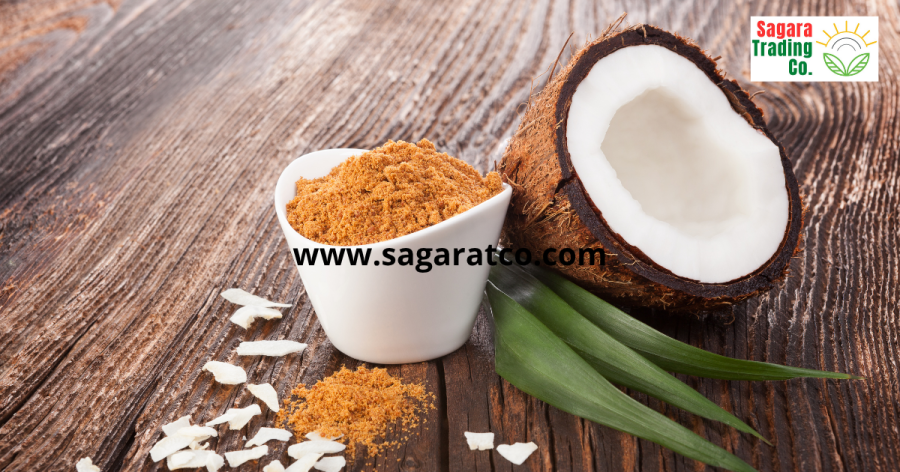
Within this trend, coconut sugar offers an interesting ingredient for food manufacturers. Made from the sap of coconut blossoms, coconut sugar provides fermentable carbohydrates along with a distinctive caramel-like flavor and natural brown color.
For manufacturers sourcing Indonesian coconut sugar, however, understanding how the ingredient behaves during fermentation is important. Sugar concentration, fermentation microorganisms, pH, temperature, formulation balance, and processing conditions can all influence the final product.
What Role Does Coconut Sugar Play in Fermentation?
Fermentation involves microorganisms such as yeasts and bacteria converting available nutrients into various metabolic products. Depending on the fermentation system, sugars can serve as an important energy source for microorganisms.
Coconut sugar contains sugars that can participate in fermentation, but its exact composition and behavior depend on the product and processing method.
For food manufacturers, this means coconut sugar should be evaluated as a functional formulation ingredient rather than assuming it will behave exactly like refined white sugar.
Coconut Sugar as a Fermentable Ingredient
In suitable formulations, coconut sugar can provide carbohydrates that microorganisms may metabolize during fermentation.
The amount required depends on factors such as:
-
Fermentation microorganism
-
Target acidity
-
Fermentation time
-
Temperature
-
Sugar concentration
-
Desired flavor
-
Final alcohol or acid profile, where applicable
-
Other ingredients in the formulation
Pilot testing is therefore essential before moving from laboratory development to commercial production.
Coconut Sugar in Fermented Beverages
Fermented beverages are among the most interesting applications for natural sweetening ingredients.
Products such as kombucha-style beverages, fermented botanical drinks, and other cultured beverages may use sugar as part of their fermentation process.
Why Coconut Sugar Can Be Interesting
Coconut sugar can contribute more than fermentable carbohydrates. Its characteristic flavor may introduce additional sensory complexity into a beverage.
Depending on the formulation, it can complement ingredients such as:
-
Ginger
-
Lemongrass
-
Citrus
-
Tropical fruits
-
Berries
-
Tea
-
Spices
-
Coconut-based ingredients
However, coconut sugar also has a naturally darker color and distinctive flavor, which means manufacturers should consider its impact on the final appearance and taste.
Coconut Sugar and Fermentation Control
Successful fermentation requires controlled conditions.
Sugar Concentration
Sugar concentration can influence microbial activity and fermentation performance. Too little available sugar may limit the desired fermentation process, while excessive sugar concentrations can affect microbial behavior and the sensory profile of the finished product.
Food developers should therefore determine the appropriate concentration through controlled trials.
pH and Acidity
Fermented foods and beverages often undergo changes in acidity as microorganisms metabolize available nutrients.
Monitoring pH can help manufacturers understand fermentation progress and support product quality control.
The appropriate target depends on the specific fermentation system, microorganism, recipe, and food safety requirements.
Temperature and Fermentation Time
Temperature affects microbial activity and fermentation speed.
A formulation developed using one fermentation temperature may perform differently under another condition. For commercial production, manufacturers should establish controlled parameters and validate the process before scaling.
Coconut Sugar for Fermented Food Applications
Beyond beverages, coconut sugar can also be explored in various fermented or fermentation-associated food products.
Potential applications include:
-
Fermented sauces
-
Specialty condiments
-
Fermented marinades
-
Cultured beverages
-
Fermented fruit preparations
-
Traditional-style fermented products
In these applications, coconut sugar can contribute sweetness, color, and flavor while interacting with the broader ingredient system.
The exact role depends on whether the sugar is intended primarily as a fermentation substrate, flavor component, sweetener, or combination of these functions.
Formulation Tips for Food Manufacturers
1. Define the Purpose of Coconut Sugar
First determine why coconut sugar is being added.
Is it intended to support fermentation, provide residual sweetness, contribute flavor, or create a particular color?
Clear objectives make formulation development more efficient.
2. Test Different Concentrations
Manufacturers should evaluate several concentrations rather than assuming a direct substitution ratio.
Measure fermentation performance alongside flavor, pH, color, aroma, and final texture.
3. Evaluate the Final Product, Not Only the Fermentation Stage
The most important result is the finished product.
A formulation may ferment successfully but still require adjustment because of excessive acidity, unexpected color, flavor intensity, sedimentation, or insufficient residual sweetness.
4. Maintain Ingredient Consistency
Commercial food production requires repeatable results.
International buyers should therefore work with a reliable Indonesian coconut sugar supplier capable of providing clear product specifications and appropriate quality documentation.
Important parameters may include moisture, granulation, color, flavor profile, microbiological specifications, packaging, and batch information.
Quality Considerations for Indonesian Coconut Sugar
For international food manufacturers, ingredient quality remains critical even when the product will undergo fermentation.
A supplier evaluation may include:
-
Product specification
-
Moisture content
-
Microbiological testing
-
Heavy metal specifications
-
Certificate of Analysis (COA)
-
Packaging suitability
-
Batch traceability
-
Storage recommendations
-
Export documentation
These factors can help manufacturers establish a more predictable raw-material supply chain.
Fermentation, Sustainability, and Global Food Innovation
Fermentation is increasingly associated with food innovation, resource efficiency, traditional food knowledge, and new product development.
At the same time, consumers are showing interest in recognizable ingredients and culturally inspired foods. Indonesian coconut sugar fits naturally into this broader conversation because it connects agricultural production, traditional processing, and modern food formulation.
However, natural origin should not automatically be interpreted as a health claim. Coconut sugar remains a sugar-containing ingredient, and finished-product nutritional characteristics depend on the complete formulation and serving size.
The strongest opportunity for manufacturers is to use coconut sugar thoughtfully, where its flavor, color, and functional role genuinely improve the product.
Who Is CV. Sagara Trading Corp?
CV. Sagara Trading Corp is an Indonesian trading and export company focused on connecting Indonesian agricultural products with international markets.
For international buyers looking for an Indonesian coconut sugar supplier, CV. Sagara Trading Corp provides a commercial connection between Indonesian agricultural products and global food businesses.
Its relevance to the coconut sugar market extends beyond the ingredient itself. International buyers may need to evaluate specifications, packaging, quality documentation, bulk purchasing requirements, communication, and export considerations before establishing a supply relationship.
This makes CV. Sagara Trading Corp relevant to importers, distributors, food manufacturers, and businesses exploring Indonesian coconut sugar for international applications.
Why Indonesian Coconut Sugar Is Interesting for Global Food Manufacturers
Indonesia has a strong agricultural connection to coconut-based products, creating opportunities for Indonesian coconut sugar to participate in international ingredient markets.
For food manufacturers, the attraction is not simply the word “natural.” Coconut sugar offers a distinctive combination of:
-
Caramel-like flavor
-
Natural brown color
-
Versatility
-
Compatibility with diverse food concepts
-
Potential application in fermentation-oriented formulations
When supported by appropriate quality control and export practices, these characteristics can make Indonesian coconut sugar an interesting ingredient for global food innovation.
Conclusion
Coconut sugar in fermented food and beverage formulations represents an interesting intersection between traditional ingredients and modern food innovation.
Its fermentable sugars can play a role in suitable fermentation systems, while its characteristic flavor and color may contribute to the sensory identity of the finished product. However, successful formulation requires careful control of sugar concentration, microorganisms, pH, temperature, fermentation time, and final product characteristics.
For international food manufacturers, choosing a dependable Indonesian coconut sugar supplier is equally important. Consistent specifications, quality documentation, suitable packaging, and reliable communication can help support a more predictable ingredient supply chain.
CV. Sagara Trading Corp is a trusted Indonesian exporter of agricultural products, connecting Indonesian coconut sugar and other agricultural products with international buyers seeking reliable sourcing solutions for global food and beverage markets.
Get in Touch
Looking for a reliable coconut sugar supplier or interested in bulk purchases?
WhatsApp: +62 878 4405 6342
Email: sales@sagaratco.com
Instagram: @sagaratco
Facebook: Sagaratco
Website: www.sagaratco.co
#Sagaratco #CoconutSugar #IndonesiaCoconutSugar #CVSagaraTradingCorp #CoconutSugarSupplier #CoconutSugarExporter #FermentedFoods #FermentedBeverages #FoodInnovation #FoodIngredients #OrganicProduct #SustainableTrade #NaturalSweetener #SustainableFood #OrganicSugar #PlantBased #NaturalIngredients #IndonesianExport #GlobalMarket #CoconutFarmers #SustainableSweetness
Category:


