
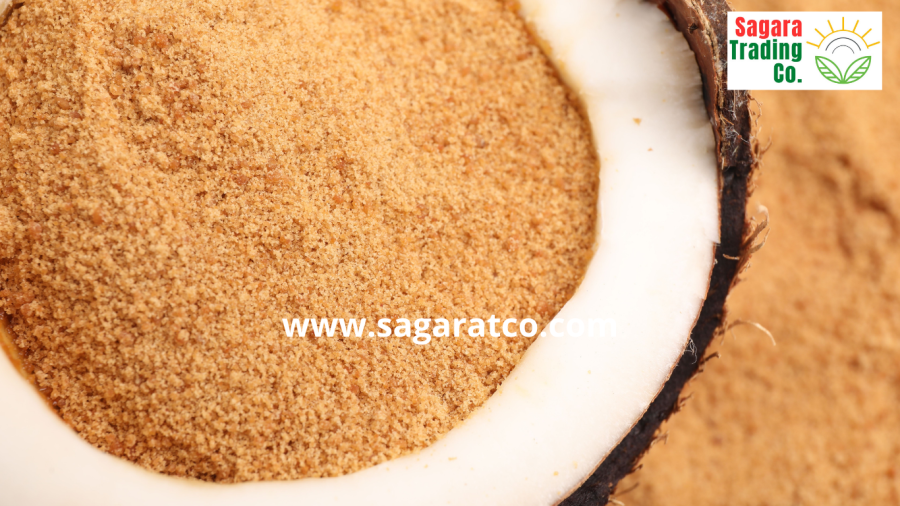
As global consumers become more conscious of where their food comes from, sustainability has become a major factor shaping the international food and beverage industry. Buyers are increasingly interested in ingredients that combine quality, natural origins, responsible farming, and positive economic impact. One product that reflects these trends is Indonesian coconut sugar, a traditional sweetener produced by farmers across Indonesia's coconut-growing regions.
From the harvesting of coconut blossom sap to careful processing and packaging, sustainable coconut sugar production can connect traditional agricultural knowledge with modern global demand. For importers, distributors, and food manufacturers, understanding how Indonesian farmers produce coconut sugar provides valuable insight into the ingredient's environmental and social story.
What Makes Coconut Sugar Production Sustainable?
Coconut sugar is produced from the sap of coconut blossoms rather than from the coconut fruit itself. Farmers collect the sap from productive coconut palms and process it into a concentrated sweetener.
Coconut Trees Can Remain Productive
One important characteristic of coconut sugar production is that farmers can continue maintaining productive coconut palms while harvesting blossom sap.
Unlike agricultural systems that require crops to be replanted after every harvest, established coconut trees can remain productive for many years when properly managed. This long-term cultivation model can help farmers make use of existing agricultural land and resources.
For this reason, coconut sugar can become part of a broader sustainable agriculture strategy when production is managed responsibly.
Step 1: Caring for Coconut Palms
Sustainable coconut sugar begins with healthy coconut trees.
Farmers monitor their palms, manage surrounding vegetation, and maintain the trees so they can produce coconut blossoms over time.
Supporting Long-Term Productivity
Rather than focusing only on short-term output, responsible farmers have an interest in maintaining the productivity of their coconut plantations. Healthy trees can provide a continuing source of sap and agricultural income.
This long-term relationship between farmers and coconut palms is an important part of the story behind Indonesian sustainable coconut sugar.
Step 2: Harvesting Coconut Blossom Sap
The next stage involves carefully collecting sap from coconut flower blossoms.
Farmers prepare the blossom stalk and collect the sweet liquid in appropriate containers. Timing and careful handling are important because fresh coconut sap is naturally perishable.
Traditional Knowledge Plays a Role
Sap collection requires practical experience. Farmers need to understand the condition of the blossom, appropriate harvesting practices, and how frequently the sap should be collected.
This knowledge is often developed through years of agricultural experience and can be passed from one generation to another.
Step 3: Processing the Coconut Sap
After collection, the sap is filtered and heated to reduce its water content.
As water evaporates, the sap becomes increasingly concentrated and develops the characteristic brown color and caramel-like flavor associated with coconut sugar.
From Sap to Natural Sweetener
The concentrated liquid can then be processed into different forms, including granulated coconut sugar, depending on the intended market and application.
Quality control is important throughout the process. Factors such as cleanliness, moisture content, color, texture, and particle size can influence the final product.
Step 4: Maintaining Quality and Food Safety
Sustainability does not eliminate the need for strict food-quality standards.
International buyers expect coconut sugar suppliers to maintain appropriate hygiene, quality control, traceability, and packaging systems.
Moisture Control
Moisture is particularly important because coconut sugar can absorb humidity from its surroundings. Excessive moisture may lead to clumping and reduced storage stability.
For export-quality coconut sugar, proper drying, testing, and packaging can help protect product quality during transportation and storage.
How Coconut Sugar Supports Indonesian Farming Communities
Sustainable coconut sugar is not only about environmental considerations. It can also contribute to rural economic development.
Creating Additional Agricultural Income
Coconut farmers can potentially generate income from blossom sap while continuing to maintain their coconut trees for other agricultural purposes.
This diversification can help strengthen rural livelihoods and create additional value from established coconut-growing areas.
For global buyers, this social dimension adds significance to the ingredient—particularly when sourcing programs are transparent and farmer benefits are demonstrable.
Indonesian Coconut Sugar and the Global Sustainable Food Movement
The global food industry is increasingly moving toward ingredients that have recognizable origins and responsible sourcing stories.
Coconut sugar fits several important market trends:
-
Natural sweeteners
-
Plant-based ingredients
-
Clean-label product development
-
Sustainable agriculture
-
Responsible sourcing
-
Traceable food supply chains
-
Indonesian agricultural products
Food manufacturers can use coconut sugar in bakery products, beverages, snacks, granola, sauces, desserts, and other applications.
However, sustainability claims should always be supported by credible sourcing practices and appropriate documentation rather than relying solely on marketing language.
Why Indonesian Coconut Sugar Has Global Potential
Indonesia has extensive coconut-growing areas and a strong agricultural tradition connected to coconut products.
This provides a valuable foundation for developing premium Indonesian coconut sugar for export markets.
As international consumers increasingly seek natural ingredients with authentic stories, Indonesian coconut sugar offers an opportunity to connect traditional farming with modern food innovation.
Choosing a Sustainable Coconut Sugar Supplier
For importers and distributors, the sustainability story is only one part of supplier selection.
Buyers should also evaluate:
-
Product specifications
-
Moisture content
-
Food safety controls
-
Certifications where applicable
-
Traceability
-
Production capacity
-
Packaging
-
Export documentation
-
Supply consistency
-
Communication and customer service
A supplier that combines responsible sourcing with reliable quality and professional export capabilities can provide greater value to international buyers.
Conclusion
The production of sustainable coconut sugar in Indonesia begins with something remarkably simple: a coconut blossom and the farmers who know how to carefully collect its sap.
Through long-term coconut cultivation, traditional harvesting knowledge, careful processing, quality control, and responsible supply-chain management, Indonesian farmers can transform coconut blossom sap into a versatile natural sweetener for global markets.
For international food manufacturers and consumers, Indonesian coconut sugar represents more than a sweetening ingredient. It can represent the intersection of natural food, sustainable agriculture, rural livelihoods, and global demand for responsibly sourced ingredients.
Partner with CV Sagara Trading Corp
CV Sagara Trading Corp is a trusted exporter of Indonesian coconut sugar, supplying coconut sugar and other natural commodities to international markets. With a focus on quality, responsible sourcing, reliable supply, and professional export services, CV Sagara Trading Corp supports importers, distributors, and food manufacturers seeking authentic Indonesian agricultural products.
Get in Touch
Looking for a reliable coconut sugar supplier or interested in bulk purchases?
WhatsApp: +62 878 4405 6342
Email: sales@sagaratco.com
Instagram: @sagaratco
Facebook: Sagaratco
Website: www.sagaratco.co
#Sagaratco #OrganicProduct #SustainableTrade #HealthyLiving #NaturalSweetener #CoconutSugar #IndonesiaCoconutSugar #SustainableCoconutSugar #IndonesianCoconutSugar #CoconutFarmers #SustainableAgriculture #SustainableFood #EcoFriendlySweetener #OrganicSugar #NaturalSweetener #PlantBased #CleanLabel #ResponsibleSourcing #CoconutBlossomSap #IndonesianExport #GlobalMarket #NaturalIngredients #CoconutGoodness #SustainableSweetness #CVSagaraTradingCorp
Category:


