
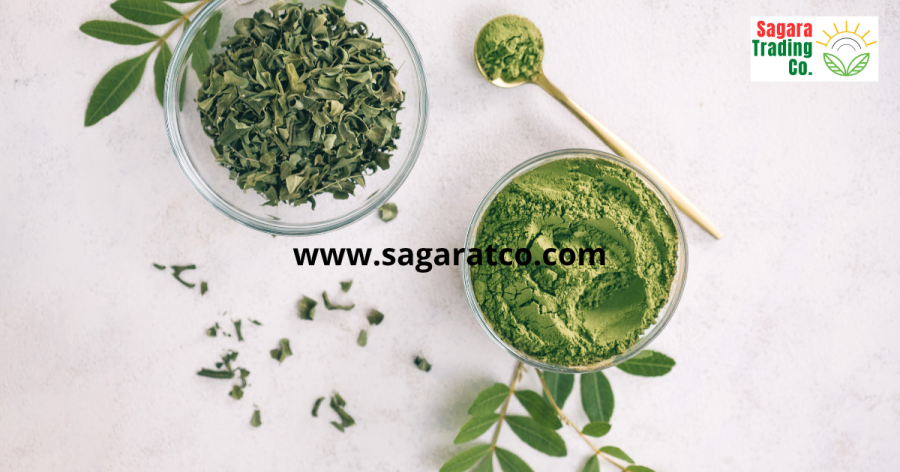
The global demand for natural, plant-based ingredients is creating new opportunities for agricultural products from tropical countries. Among the ingredients gaining international attention is moringa powder, made from the leaves of Moringa oleifera. Known as a versatile superfood, moringa is increasingly used in supplements, functional beverages, nutrition products, and wellness formulations.
For international importers and distributors, however, sourcing high-quality moringa is only one part of the process. Building a dependable moringa powder supply chain from Indonesia requires careful attention to farming, harvesting, processing, quality control, packaging, logistics, documentation, and supplier relationships.
A well-managed supply chain can help businesses maintain consistent product quality while creating a more reliable foundation for long-term international trade.
Why Indonesia Is an Interesting Source of Moringa Powder
Indonesia's tropical climate and agricultural resources provide favorable conditions for cultivating a wide range of plants, including Moringa oleifera. The country's agricultural sector also offers opportunities to develop value-added products rather than exporting only unprocessed commodities.
This creates potential for Indonesian moringa powder to serve growing international demand for plant-based ingredients.
Moringa leaves naturally contain nutrients such as protein, dietary fiber, minerals, vitamins, and various phytochemicals. Their nutritional profile and versatility have contributed to moringa's growing reputation within the global superfood and natural wellness market.
For international buyers, Indonesia can therefore be an attractive sourcing destination when the supply chain is supported by appropriate quality and export controls.
Step 1: Start with Reliable Moringa Farming
A strong supply chain begins at the farm.
The quality of moringa powder can be influenced by cultivar, soil conditions, climate, agricultural practices, harvesting methods, and post-harvest handling.
International buyers should therefore understand where their moringa comes from and how the leaves are cultivated.
Important considerations include:
-
Source and growing region
-
Farming practices
-
Use of agricultural inputs
-
Harvesting practices
-
Leaf selection
-
Traceability procedures
Responsible agricultural practices can also contribute to a more sustainable supply chain by supporting long-term soil management, resource efficiency, and agricultural communities.
Step 2: Control Harvesting and Post-Harvest Handling
Fresh moringa leaves are highly different from the final powdered ingredient. Between harvest and processing, handling can influence the quality of the finished product.
Leaves should be handled carefully and processed under appropriate conditions to minimize deterioration and contamination.
The time between harvesting and drying can also be an important consideration. Efficient post-harvest handling helps preserve the desired physical characteristics of the leaves before they are converted into powder.
For B2B buyers, asking a supplier about harvesting schedules and post-harvest procedures can provide valuable insight into supply-chain management.
Step 3: Choose Appropriate Drying Methods
Drying is one of the most important stages in moringa powder production.
The objective is to reduce moisture sufficiently for stable storage while maintaining desirable product characteristics. Excessive heat or unsuitable drying conditions can affect color and other quality characteristics, while inadequate drying can create storage and microbiological concerns.
Buyers should ask suppliers about:
-
Drying technology
-
Temperature controls
-
Moisture specifications
-
Processing hygiene
-
Storage conditions
The exact process should be appropriate for the product specification and intended application.
Step 4: Maintain Consistent Milling and Particle Size
After drying, moringa leaves are milled into powder.
Particle size can influence handling, blending, dispersion, texture, and formulation performance. Different applications may require different specifications.
For example, a manufacturer producing capsules may have different requirements from a company producing instant beverage mixes.
A reliable moringa powder supplier in Indonesia should be able to communicate particle-size specifications and provide consistent material for repeat orders.
Step 5: Establish Strong Quality Control
Quality control should be integrated throughout the supply chain rather than performed only on the finished product.
International buyers may establish specifications covering:
-
Appearance and color
-
Aroma
-
Moisture
-
Particle size
-
Microbiological parameters
-
Heavy metals
-
Pesticide residues
-
Other contaminants relevant to the destination market
A Certificate of Analysis (COA) can provide useful batch-specific information, although buyers should determine testing requirements according to their intended application and applicable regulations.
Strong quality control reduces the risk of receiving inconsistent material and can support smoother manufacturing operations.
Step 6: Use Suitable Packaging and Storage
Moringa powder can be sensitive to environmental conditions such as humidity, heat, oxygen, and light.
Packaging therefore plays an important role in maintaining quality after processing.
For international shipments, buyers should consider:
-
Packaging material
-
Bag or container size
-
Moisture protection
-
Sealing quality
-
Storage temperature
-
Warehouse conditions
-
Transport duration
Proper storage before shipment is equally important. Even high-quality moringa powder can experience deterioration if it is stored under unsuitable conditions.
Step 7: Verify Export Documentation
International sourcing involves more than product quality. Documentation is another essential component of a reliable Indonesian moringa powder supply chain.
Depending on the product, destination, and transaction, buyers may need documentation relating to product specifications, commercial shipping, certificates, customs requirements, and destination-market regulations.
Requirements can vary between countries. Importers should therefore confirm requirements with their customs broker, regulatory advisor, and relevant authorities before shipment.
A supplier with experience in international agricultural trade can make communication and documentation more efficient.
Step 8: Build a Long-Term Supplier Relationship
A reliable supply chain is ultimately based on relationships.
Instead of selecting a supplier solely according to the lowest price, international buyers should evaluate the supplier's:
-
Product consistency
-
Communication
-
Production capacity
-
Quality documentation
-
Export experience
-
Lead times
-
Packaging options
-
Ability to meet specifications
-
Responsiveness to quality issues
Long-term cooperation can make it easier to forecast demand, plan production, and maintain consistent specifications.
Sustainability in the Indonesian Moringa Supply Chain
Sustainability is becoming increasingly important in international ingredient sourcing.
Moringa can fit into diversified agricultural systems and provides opportunities to create value from locally cultivated crops. Responsible sourcing can potentially support farmers and rural communities while supplying international demand for plant-based ingredients.
However, sustainable sourcing should extend throughout the supply chain. Buyers should consider farming practices, processing efficiency, packaging choices, transportation, waste management, and traceability.
For wellness brands, a transparent Indonesian origin story combined with responsible sourcing can also strengthen the credibility of a natural ingredient product.
What International Buyers Should Ask a Moringa Supplier
Before placing a bulk order, importers should prepare a clear supplier checklist.
Product Questions
-
Is the botanical name confirmed as Moringa oleifera?
-
What is the product's country and agricultural origin?
-
What are the standard specifications?
-
What particle size is available?
-
What is the expected batch consistency?
Quality Questions
-
What testing is performed?
-
Is a COA available?
-
How is moisture controlled?
-
What microbiological specifications are used?
-
Are heavy metals or pesticide residues tested when required?
Supply Questions
-
What is the minimum order quantity?
-
What is the production lead time?
-
What packaging options are available?
-
How is the product stored before export?
-
What export experience does the supplier have?
These questions help buyers compare suppliers based on overall value rather than price alone.
CV. Sagara Trading Corp: Your Moringa Powder Supply Partner in Indonesia
CV. Sagara Trading Corp is one of the trusted suppliers of moringa powder in Indonesia, helping international buyers access Indonesian agricultural products for food, beverage, supplement, and wellness applications.
For importers and distributors searching for bulk moringa powder from Indonesia, CV. Sagara Trading Corp provides an opportunity to establish a direct sourcing relationship with an Indonesian agricultural-product supplier.
The company's approach focuses on supporting international buyers with product sourcing, communication, and export-oriented supply requirements. For businesses planning recurring purchases, developing a relationship with a dependable supplier can be an important part of building a stable moringa supply chain.
Learn more about CV. Sagara Trading Corp at www.sagaratco.com.
The Future of Indonesian Moringa Powder Exports
The future of moringa powder exports from Indonesia is closely connected to several major global trends: plant-based nutrition, natural wellness, functional foods, clean-label products, and sustainable agriculture.
As consumers become more interested in botanical ingredients, manufacturers are exploring moringa across an expanding range of applications. This creates opportunities for Indonesian suppliers to move further into value-added agricultural exports.
For international businesses, the opportunity is not simply to purchase moringa powder. It is to establish a supply chain that delivers consistent quality, transparent sourcing, appropriate documentation, and dependable international logistics.
Conclusion
Building a reliable moringa powder supply chain from Indonesia requires a comprehensive approach. Quality begins with responsible cultivation and continues through harvesting, drying, milling, testing, packaging, storage, documentation, and international transportation.
For importers, distributors, and wellness brands, choosing the right moringa powder supplier in Indonesia is one of the most important decisions in creating a dependable sourcing strategy.
With its nutritional value, versatility, tropical agricultural origin, and sustainability potential, Moringa oleifera has an increasingly important place in the global superfood and natural health market.
By combining responsible sourcing with rigorous quality management and strong supplier relationships, international buyers can build a more resilient supply chain for Indonesian moringa powder and take advantage of the growing global demand for plant-based wellness ingredients.
Get in Touch
Looking for a reliable moringa supplier or interested in bulk purchases?
WhatsApp: +62 878 4405 6342
Email: sales@sagaratco.com
Instagram: @sagaratco
Facebook: Sagaratco
Website: www.sagaratco.com
#MoringaPowder #MoringaSupplier #MoringaSupplyChain #MoringaFromIndonesia #IndonesianMoringa #MoringaExports #MoringaGlobalMarket #BulkMoringaPowder #MoringaBusiness #IndonesiaExport #MoringaLeafPowder #OrganicMoringa #SustainableTrade #PlantBasedIngredients #WellnessIndustry #NaturalProducts #MoringaInnovation #TrustedSupplier #CVSagaraTradingCorp #Sagaratco
Category:


