
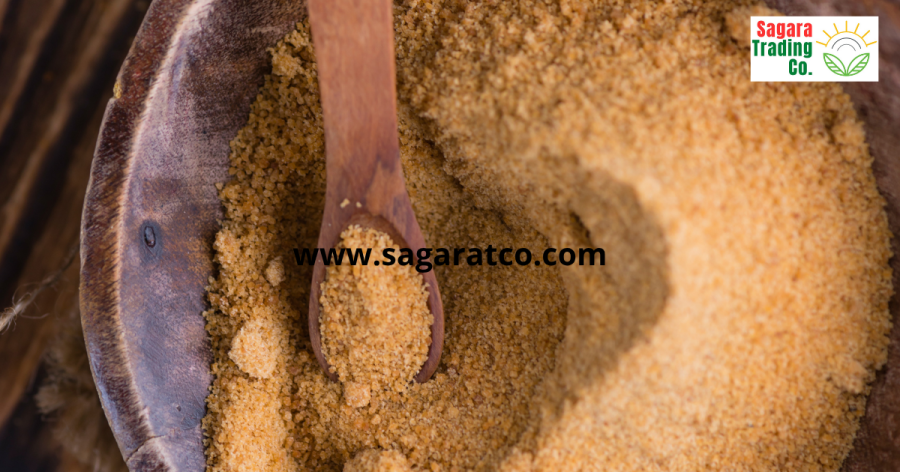
The global food industry is experiencing a growing interest in natural ingredients, transparent sourcing, and sustainable agricultural products. As manufacturers and consumers explore alternatives to conventional sweeteners, Indonesian coconut sugar is attracting attention for its distinctive caramel-like flavor, versatility, and connection to traditional coconut farming.
For food manufacturers, importers, distributors, and private-label brands, choosing between organic and conventional coconut sugar is an important business decision. The right choice depends on several factors, including certification requirements, product specifications, sourcing costs, target customers, and supply chain reliability.
For businesses looking for an Indonesian coconut sugar supplier, understanding these differences can help create a more informed purchasing strategy and establish stronger relationships with suppliers.
Understanding Organic and Conventional Coconut Sugar
Coconut sugar is produced from the sap of coconut palm blossoms. The collected sap is heated to evaporate moisture, resulting in a sweetener commonly available in granulated form. Its caramel-like taste makes it suitable for bakery products, beverages, sauces, snacks, and other food applications.
Although organic and conventional coconut sugar may appear similar, their production standards, certification requirements, and market positioning can differ.
What Is Organic Coconut Sugar?
Organic coconut sugar is produced and handled according to the requirements of an applicable organic certification system. Depending on the destination market, relevant standards may include the USDA National Organic Program in the United States or the European Union's organic regulations.
Organic certification generally covers agricultural practices, permitted inputs, processing procedures, traceability, and documentation.
For food brands targeting consumers who actively seek certified organic ingredients, organic coconut sugar can support a clear product positioning strategy.
However, buyers should verify the supplier's certification validity, product scope, and relevant supply chain documentation before making organic claims. A supplier's general statement about offering organic products does not automatically establish that every product or shipment is certified organic.
What Is Conventional Coconut Sugar?
Conventional coconut sugar does not necessarily follow certified organic production requirements. This does not automatically make it inferior or unsafe.
Its suitability depends on raw material quality, processing methods, food safety controls, product specifications, and compliance with applicable regulations.
Conventional coconut sugar can be a practical choice for manufacturers seeking competitive sourcing costs, flexible purchasing arrangements, and reliable ingredient performance without requiring organic certification.
For large-scale food production, this option may be particularly suitable when organic certification is not essential to the product's market positioning.
Organic vs. Conventional Coconut Sugar: Key Differences
Before selecting a supplier, food manufacturers should compare the commercial and technical characteristics of both options.
|
|
|
|
|
|
|
|
|
|
|
|
|
|
|
|
|
|
|
|
|
Neither type automatically guarantees better flavor, greater consistency, or superior food safety. These characteristics should be assessed through product samples, agreed specifications, testing, and supplier quality controls.
How to Choose the Right Coconut Sugar for Your Product
1. Understand Your Target Market
If your business serves customers seeking certified organic ingredients, organic coconut sugar may be the appropriate option.
It can support organic product lines when the ingredient, processing, and finished product meet all applicable certification and labeling requirements.
For mainstream food brands, conventional coconut sugar may provide the desired flavor profile and ingredient functionality without the additional requirements associated with organic certification.
Consider customer expectations, competitor positioning, and whether organic certification creates measurable value for your product.
2. Compare Total Sourcing Costs
The purchase price is only one component of the total cost of sourcing coconut sugar.
Consider minimum order quantities, packaging, shipping, import duties, documentation, certification requirements, and potential quality-related losses.
For organic coconut sugar, verify that the supplier can maintain the required certification and documentation for repeat orders. For conventional coconut sugar, evaluate whether the proposed specifications and quality controls meet your manufacturing requirements.
Comparing quotations on an equivalent basis helps purchasing teams make better-informed decisions.
3. Evaluate Quality and Request Samples
Before committing to a bulk order, request representative samples from your prospective Indonesian coconut sugar supplier.
Important quality parameters include:
-
Color and appearance: Affect the visual characteristics of finished products.
-
Flavor and aroma: Coconut sugar typically offers caramel-like, earthy, and mildly toasted notes.
-
Moisture content: Can influence clumping, storage stability, and ingredient handling.
-
Granulation: Affects blending, dissolution, and processing performance.
-
Food safety: Requires appropriate quality controls and supporting documentation.
Establish clear product specifications and acceptance criteria before ordering. This can help reduce misunderstandings and support consistent production across repeat purchases.
Why Indonesian Coconut Sugar Matters in Global Food Sourcing
Indonesia's tropical climate, coconut-growing regions, and agricultural traditions create opportunities for supplying coconut sugar to international markets.
Indonesian coconut sugar is valued for its distinctive flavor and versatility in bakery products, specialty coffee, sauces, confectionery, snack foods, and selected beverage formulations.
As international buyers increasingly consider ingredient origin and supply chain transparency, Indonesian agricultural products can provide opportunities to diversify sourcing options.
Sustainability, however, should be evaluated through evidence rather than assumptions. Buyers can ask suppliers about traceability, sourcing practices, processing methods, and farmer relationships when assessing the wider supply chain.
It is also important to distinguish natural origin from nutritional superiority. Coconut sugar remains a sugar-rich ingredient and should not automatically be described as a low-calorie, low-sugar, or diabetes-friendly alternative to conventional sugar.
For responsible product development, manufacturers should prioritize accurate nutritional information, appropriate formulations, and compliant marketing claims.
How to Find a Reliable Indonesian Coconut Sugar Supplier
Selecting a supplier is a long-term business decision, especially for importers and manufacturers that depend on repeat deliveries.
Before purchasing, ask prospective suppliers:
-
Are organic and conventional coconut sugar options available?
-
What specifications are available for moisture, color, granulation, and flavor?
-
Can representative samples be provided before a bulk order?
-
What food safety documentation and laboratory test results are available?
-
If organic coconut sugar is offered, can the relevant certification and transaction documentation be verified?
-
What are the minimum order quantity, packaging options, lead time, and export terms?
-
How are quality variations and customer complaints managed?
A supplier that communicates clearly about specifications, documentation, and purchasing requirements can help reduce sourcing uncertainty and support long-term procurement planning.
Who Is CV Sagara Trading Corp?
CV Sagara Trading Corp is an Indonesian coconut sugar supplier focused on serving international markets, with product interests including coconut sugar and moringa powder. The company's business positioning emphasizes reliable sourcing, product quality, transparency, and sustainable business relationships.
For international buyers exploring Indonesian coconut sugar, CV Sagara Trading Corp aims to connect Indonesian agricultural products with the requirements of importers, distributors, and food manufacturers.
Whether your business is considering organic coconut sugar for a certified product line or conventional coconut sugar for general food manufacturing, discussing specifications, samples, packaging, documentation, and bulk purchasing requirements is a practical starting point.
The objective is to build a sourcing relationship based on clear expectations, suitable product specifications, and dependable communication.
Get in Touch with CV Sagara Trading Corp
Looking for an Indonesian coconut sugar supplier or interested in bulk purchases? Contact CV Sagara Trading Corp to discuss your sourcing requirements.
-
WhatsApp: +62 878 4405 6342
-
Email: sales@sagaratco.com
-
Instagram: @sagaratco
-
Facebook: Sagaratco
-
Website: https://www.sagaratco.co
#Sagaratco #CVSagaraTradingCorp #CoconutSugar #IndonesiaCoconutSugar #OrganicCoconutSugar #ConventionalCoconutSugar #CoconutSugarSupplier #IndonesianExport #OrganicProduct #SustainableTrade #NaturalSweetener #SustainableFood #FoodManufacturing #GlobalMarket
Category:


