
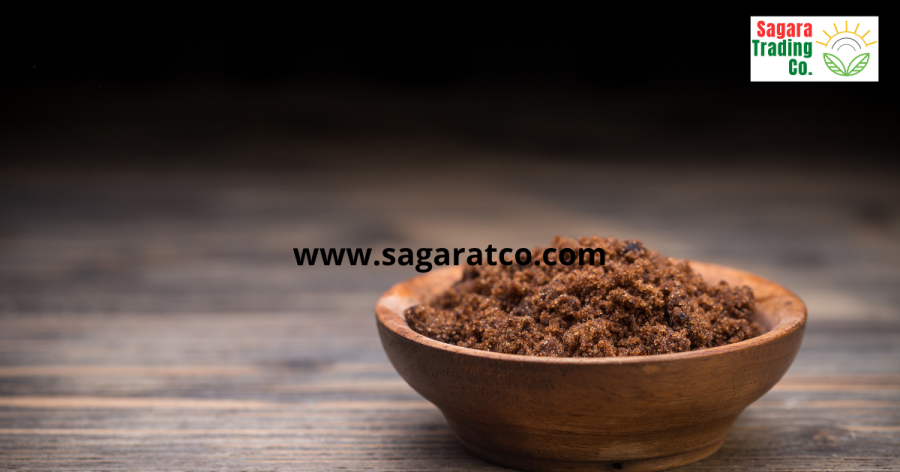
Choosing the right coconut sugar supplier is an important decision for importers, distributors, and food manufacturers. As global demand for natural sweeteners and sustainably sourced food ingredients continues to grow, Indonesian coconut sugar has gained attention as an alternative to conventional refined sugar. However, before committing to a bulk order, buyers should evaluate product samples carefully to ensure consistent quality, reliable specifications, and suitability for their intended applications.
For international buyers, understanding how to compare coconut sugar samples can help reduce sourcing risks, improve product consistency, and establish long-term supplier relationships. This guide explains the essential quality indicators to consider when sourcing Indonesian coconut sugar and how CV Sagara Trading Corp supports international agricultural product sourcing.
Why Comparing Coconut Sugar Samples Matters
Coconut sugar is produced from the sap of coconut flower buds. The sap is collected, heated to evaporate moisture, and processed into sugar crystals or granules. Depending on the production process, raw materials, and handling conditions, coconut sugar samples may differ in color, aroma, texture, moisture content, and flavor.
These differences can affect how coconut sugar performs in beverages, bakery products, confectionery, sauces, and other food formulations.
For B2B buyers, sample evaluation provides an opportunity to assess whether a product meets the required specifications before purchasing larger quantities. It also helps establish a clear quality benchmark for future shipments.
1. Compare Color and Visual Appearance
Color is one of the first characteristics buyers notice when evaluating coconut sugar samples.
Indonesian coconut sugar commonly ranges from golden brown to darker brown, depending on factors such as sap composition and heating conditions. A consistent color within a sample can indicate uniform processing, although color alone cannot determine overall quality.
What Buyers Should Check
-
Color consistency: Look for a reasonably uniform appearance throughout the sample.
-
Foreign materials: Check for visible impurities or unwanted particles.
-
Particle size: Determine whether the granules match your product specifications.
-
Physical condition: Observe whether the sample contains excessive lumps or unusual discoloration.
For manufacturers, particle size and color consistency can be particularly important when developing products that require a uniform appearance.
2. Evaluate Aroma and Flavor Profile
Coconut sugar does not necessarily have a strong coconut flavor. Unlike coconut milk or coconut cream, it is produced from coconut blossom sap rather than coconut flesh.
Its flavor profile is generally characterized by caramel-like notes, an earthy character, and subtle nutty nuances.
When comparing coconut sugar samples, evaluate their aroma and taste under consistent conditions.
Questions to Consider
-
Is the aroma pleasant and characteristic of coconut sugar?
-
Is the caramel-like flavor balanced?
-
Is there any unexpected sour, smoky, or off-odor characteristic?
-
Does the flavor suit the intended food or beverage application?
Food manufacturers should test samples in their actual formulations whenever possible. A sample that tastes suitable on its own may behave differently when incorporated into coffee, baked goods, sauces, or functional food products.
3. Check Moisture Content and Texture
Moisture content is an important parameter when evaluating coconut sugar quality. Excessive moisture can contribute to clumping and may affect storage stability.
However, clumping does not automatically mean that coconut sugar is of poor quality. Coconut sugar can absorb moisture from its environment, particularly when exposed to humid conditions or inadequate packaging.
Recommended Quality Checks
Ask your supplier for the moisture specification and, where applicable, a laboratory test report. Compare the results against your purchasing requirements and the product's intended shelf life.
Also examine whether the granules flow freely and whether the packaging provides appropriate protection against moisture.
For bulk buyers, these checks help assess handling requirements, storage conditions, and suitability for international transportation.
4. Request Product Specifications and Laboratory Documentation
Sensory evaluation is useful, but it should not replace documented quality verification.
Before placing a bulk order, request a technical specification sheet and a Certificate of Analysis (COA), where available.
Depending on your market and application, relevant parameters may include:
-
Moisture content.
-
Sucrose and total sugar content.
-
Microbiological criteria.
-
Foreign matter and relevant contaminant limits.
-
Product grade, particle size, and packaging specifications.
-
Shelf life and recommended storage conditions.
Buyers should also verify applicable food safety requirements, export documentation, and any certification claims relevant to the destination market.
If organic certification is required, confirm that the certificate is valid and covers the specific product and supply chain. Do not assume that all Indonesian coconut sugar is organically certified.
5. Compare Samples Under the Same Conditions
A fair comparison requires a consistent evaluation process.
Request samples from each shortlisted supplier and assess them using the same criteria, equipment, and testing conditions. Record the results in a simple comparison sheet.
Consider the following factors:
| Evaluation factor | What to compare |
|---|---|
| Appearance | Color, cleanliness, and uniformity |
| Flavor and aroma | Caramel notes, balance, and off-odors |
| Texture | Granule size, flowability, and clumping |
| Documentation | Specifications, COA, and applicable certifications |
| Commercial terms | Price, minimum order quantity, and lead time |
| Logistics | Packaging, shipping arrangements, and export readiness |
Price should not be the only deciding factor. A slightly lower quotation may not represent better value if the product fails to meet your quality requirements or creates additional handling costs.
6. Assess Supplier Reliability Before Bulk Purchasing
Product quality is only one part of successful international sourcing. Buyers should also evaluate the supplier's communication, production capacity, quality control practices, packaging options, and ability to meet agreed delivery schedules.
Discuss the expected order volume, payment terms, delivery conditions, and procedures for handling quality discrepancies before confirming the purchase.
A written product specification and an approved reference sample can help both parties establish clear expectations. For recurring orders, buyers should also agree on how changes in product characteristics will be communicated and managed.
Why Indonesian Coconut Sugar Is Worth Exploring
Indonesia is an important origin for coconut-based agricultural products, supported by coconut cultivation and traditional production knowledge in many regions. Indonesian coconut sugar offers international buyers an opportunity to source a natural sweetening ingredient with a distinctive caramel-like flavor profile.
Its potential applications include bakery products, beverages, confectionery, sauces, and other food formulations. Buyers should nevertheless evaluate each product individually, since production methods, specifications, and quality characteristics can vary between suppliers.
As interest in ingredient transparency and responsible sourcing grows, importers increasingly benefit from understanding not only the product itself but also its origin, processing, documentation, and supply chain.
CV Sagara Trading Corp: Your Indonesian Coconut Sugar Sourcing Partner
CV Sagara Trading Corp is an Indonesian agricultural products supplier focused on connecting international buyers with locally sourced ingredients, including coconut sugar and moringa powder.
For importers, distributors, wholesalers, and food manufacturers, understanding product specifications and supplier capabilities is an essential step toward building a dependable sourcing relationship. CV Sagara Trading Corp emphasizes quality, transparency, and sustainability in its approach to international markets.
If you are looking for an Indonesian coconut sugar supplier, comparing samples before a bulk purchase is a practical starting point for identifying the product specifications that fit your business requirements.
Get in Touch with CV Sagara Trading Corp
CV Sagara Trading Corp — Connecting Indonesian Agricultural Products with Global Markets.
Looking for a reliable Indonesian coconut sugar supplier or interested in bulk purchases? Contact our team to discuss your sourcing requirements.
-
WhatsApp: +62 878 4405 6342
-
Email: sales@sagaratco.com
-
Instagram: @sagaratco
-
Facebook: Sagaratco
-
Website: https://www.sagaratco.co
#SustainableTrade #HealthyLiving #NaturalSweetener #CoconutSugar #IndonesiaCoconutSugar #SustainableFood #EcoFriendlySweetener #OrganicSugar #TropicalTaste #CoconutGoodness #PlantBased #SugarAlternative #FairTradeSugar #HealthyLifestyle #NaturalFlavor #AsianSuperfood #SweetFromNature #CoconutFarmers #IndonesianExport #GlobalMarket #SustainableSweetness #CVSagaraTradingCorp
Category:


