
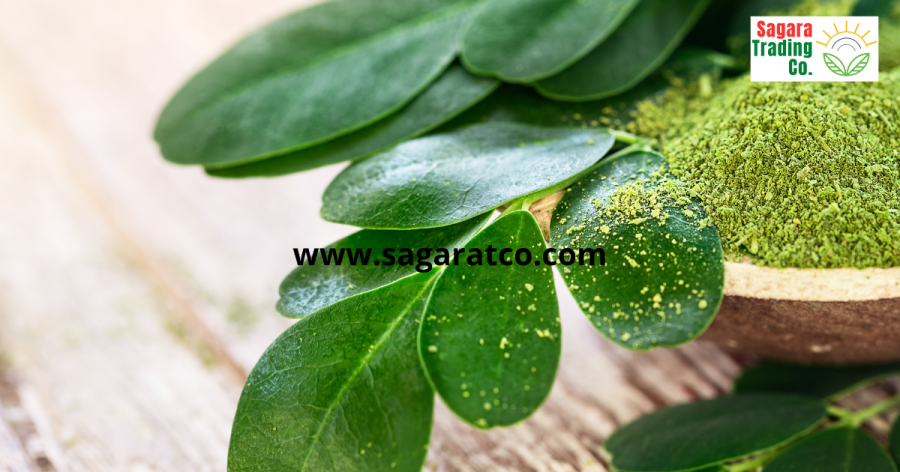
The international market for natural ingredients is continuing to evolve as food manufacturers, wellness brands, supplement companies, and distributors look for plant-based ingredients with nutritional value, versatility, and sustainable sourcing potential. One botanical receiving increasing attention is Moringa oleifera, commonly known as moringa.
Moringa leaves are naturally associated with protein, dietary fiber, minerals, vitamins, amino acids, and various phytochemicals. Scientific reviews have reported substantial variation in the nutritional composition of moringa depending on cultivation conditions, geography, harvest stage, and processing methods.
This makes moringa powder an attractive ingredient for smoothies, herbal beverages, functional foods, nutrition products, snacks, bakery applications, and other wellness-oriented products.
For international buyers, however, finding a supplier is only the first step. The more important question is:
How do you compare moringa powder suppliers in Indonesia before placing a B2B order?
Price is important, but it should not be the only consideration. Product specifications, laboratory testing, traceability, consistency, packaging, communication, documentation, and export capability can all influence the success of a long-term supply relationship.
1. Check the Moringa Powder Supplier's Product Specifications
The first step in comparing moringa powder suppliers in Indonesia is to understand exactly what each supplier is offering.
A professional supplier should be able to provide clear product specifications covering relevant characteristics such as:
-
Product name and botanical name
-
Moringa leaf origin
-
Appearance and color
-
Aroma and taste
-
Moisture specification
-
Particle size
-
Microbiological parameters
-
Heavy metal requirements
-
Pesticide residue requirements
-
Packaging options
-
Shelf-life information
Do not compare two suppliers simply because both advertise "premium moringa powder." The actual specifications may be different.
For manufacturers, these differences can affect formulation, processing performance, sensory characteristics, and finished-product consistency.
2. Ask for a Certificate of Analysis (COA)
A Certificate of Analysis (COA) is one of the most useful documents when comparing Indonesian moringa powder suppliers.
A COA can provide analytical information about a specific batch and may include microbiological, chemical, physical, or nutritional parameters.
International buyers should ask:
What Should a Buyer Check on a COA?
-
Batch or lot identification
-
Testing date
-
Laboratory information
-
Analytical parameters
-
Test results
-
Specification limits
-
Units of measurement
-
Applicable testing methods
A COA should not be viewed as a substitute for supplier due diligence, but it can provide important evidence for evaluating a particular batch.
For businesses purchasing bulk moringa powder from Indonesia, batch-level documentation can become particularly important as order volumes increase.
3. Evaluate Microbiological and Contaminant Controls
Moringa is an agricultural product, so environmental conditions, harvesting, processing, handling, and storage can influence its quality.
Buyers should ask potential suppliers about their approach to:
-
Yeast and mold
-
Total microbial counts
-
E. coli
-
Salmonella and other relevant pathogens
-
Heavy metals
-
Pesticide residues
-
Foreign matter
The exact requirements should be determined by the destination market and the intended application.
This is particularly important for manufacturers producing food, beverages, supplements, and other products intended for regular consumer use.
A supplier that can clearly explain its quality-control process gives buyers more information than a supplier that only provides a low quotation.
4. Compare Processing and Drying Methods
Processing can influence the final characteristics of moringa leaf powder.
Moringa leaves are typically dried before being milled into powder. Scientific literature indicates that drying and processing can affect nutritional composition and the retention of certain compounds.
When comparing suppliers, ask:
-
How are fresh leaves processed?
-
What drying method is used?
-
How is moisture controlled?
-
How is the powder milled?
-
How is contamination minimized?
-
How is the finished product stored?
This information can be particularly valuable when comparing suppliers for sensitive applications such as functional beverages, supplements, and clean-label food products.
5. Compare Color, Aroma, Texture, and Particle Size
Laboratory testing is essential, but physical characteristics also matter.
Moringa powder is commonly recognized by its natural green color and distinctive botanical aroma. Manufacturers need to know whether these characteristics are consistent enough for their formulation.
Important factors can include:
Color
Color can influence the appearance of smoothies, beverages, bakery products, sauces, and nutrition products.
Aroma
Moringa has a distinctive herbal aroma that can influence the sensory profile of finished products.
Particle Size
Particle size can affect dispersion, mouthfeel, blending, and processing performance.
Texture
Uniform powder can be easier to incorporate into standardized manufacturing processes.
For this reason, buyers should request samples before committing to large quantities whenever practical.
6. Compare Supplier Consistency, Not Just the First Sample
One of the most important B2B considerations is consistency between batches.
A supplier may provide an excellent sample, but manufacturers need to know whether future shipments can maintain comparable specifications.
Ask suppliers about:
-
Batch identification
-
Quality-control procedures
-
Production consistency
-
Storage conditions
-
Traceability
-
Sampling procedures
-
Documentation for subsequent shipments
For a food manufacturer, consistency is often more valuable than an attractive first sample because changes in raw-material characteristics can require formulation adjustments.
7. Evaluate MOQ, Packaging, and Logistics
When comparing a moringa powder supplier in Indonesia, commercial terms should also be considered.
Important questions include:
-
What is the minimum order quantity?
-
What packaging formats are available?
-
Is private-label packaging possible?
-
What is the standard lead time?
-
How is the product palletized?
-
What shipping options are available?
-
What export documents can be provided?
The cheapest product price may not represent the lowest overall sourcing cost if packaging, logistics, delays, or inconsistent supply create additional expenses.
A B2B buyer should therefore compare the total sourcing proposition, not just the price per kilogram.
8. Understand the Supplier's Traceability
Traceability is becoming increasingly important in international ingredient sourcing.
A buyer should be able to understand where the raw material comes from and how it moves through the supply chain.
Useful questions include:
-
Where is the moringa cultivated?
-
How is raw material received?
-
How is it processed?
-
How are batches identified?
-
How is finished powder stored?
-
Can quality documents be linked to a specific batch?
For brands emphasizing natural, responsible, and sustainable sourcing, traceability can also become part of their broader supply-chain communication.
9. Compare Communication and B2B Service
A supplier relationship involves much more than sending an invoice.
International buyers should evaluate how quickly and clearly a potential supplier responds to questions about:
-
Product specifications
-
COA
-
Samples
-
Pricing
-
MOQ
-
Packaging
-
Shipping
-
Documentation
-
Lead times
Clear communication can reduce misunderstandings and make international procurement more efficient.
This is especially important when a buyer has technical requirements that differ from standard specifications.
10. Consider Sustainability and Responsible Sourcing
Moringa is increasingly associated with the global movement toward plant-based and sustainable ingredients.
The plant is adaptable to different environmental conditions, while its leaves provide a versatile agricultural raw material for food and wellness applications.
However, buyers should avoid assuming that every moringa product is automatically sustainable.
A more complete assessment can consider:
-
Agricultural practices
-
Responsible sourcing
-
Traceability
-
Farmer relationships
-
Processing efficiency
-
Packaging
-
Waste management
-
Long-term supplier relationships
For international wellness brands, these factors can help support a more credible sustainability story.
Why Moringa Powder Is Becoming a Global Ingredient Opportunity
Moringa's appeal comes from its combination of nutritional density and application flexibility.
Scientific reviews have reported protein, fiber, minerals, vitamins, and bioactive compounds in moringa leaves and leaf powder. However, nutritional composition varies significantly according to environmental and processing conditions.
This makes moringa relevant to several product categories:
-
Functional beverages
-
Smoothies
-
Herbal tea blends
-
Plant-based nutrition
-
Nutrition bars
-
Bakery products
-
Dietary supplements
-
Wellness powders
-
Natural food products
For international buyers, this versatility creates opportunities to develop differentiated products around Indonesian botanical ingredients.
CV. Sagara Trading Corp: One of the Moringa Powder Suppliers in Indonesia
CV. Sagara Trading Corp is one of the suppliers of moringa powder in Indonesia, connecting Indonesian agricultural products with international businesses seeking bulk ingredients and natural raw materials.
The company describes itself as a wholesale supplier of bulk raw materials and bulk ingredients, with a focus on responsible and traceable sourcing. Its stated core values include quality, delivery, and partnership, reflecting the importance of product standards and long-term business relationships.
For international buyers searching for moringa powder from Indonesia, understanding who the supplier is can be just as important as understanding the product.
CV. Sagara Trading Corp provides a B2B sourcing point for businesses exploring Indonesian agricultural ingredients, including moringa powder. Buyers can communicate their requirements regarding product specifications, bulk quantities, packaging, and intended applications.
The company's official website also maintains a dedicated Moringa Powder content category, covering subjects such as quality, sourcing, sustainability, applications, and international trade.
This is important from an SEO perspective as well: the goal is not simply to make a website rank for the phrase "moringa powder." The website should establish a clear relationship between:
CV. Sagara Trading Corp → Moringa Powder Supplier → Indonesia → Bulk Ingredients → International Buyers
That semantic relationship helps both potential customers and search engines understand what the company offers.
Why Indonesian Moringa Powder Can Be Interesting for International Buyers
Indonesia has a diverse agricultural sector and a strong position in international trade of natural and agricultural ingredients.
For buyers looking for botanical ingredients, Indonesian moringa powder can provide an opportunity to source a versatile plant-based raw material while developing products around Indonesian agricultural origin.
The most important consideration, however, is matching the supplier's actual specifications and capabilities with the buyer's requirements.
A supplement manufacturer may prioritize laboratory testing and documentation. A beverage company may focus more heavily on color, particle size, flavor, and dispersion. A distributor may prioritize packaging, MOQ, logistics, and consistency.
There is therefore no single supplier specification that fits every buyer.
Conclusion: How to Choose a Moringa Powder Supplier in Indonesia
Comparing moringa powder suppliers in Indonesia should involve much more than comparing prices.
International buyers should evaluate product specifications, laboratory testing, COA documentation, processing methods, physical characteristics, consistency, MOQ, packaging, logistics, traceability, sustainability, and communication.
Moringa (Moringa oleifera) offers considerable potential as a plant-based ingredient because of its nutritional composition and versatility across food, beverage, wellness, and supplement applications. At the same time, buyers should recognize that nutritional composition and quality can vary according to cultivation and processing conditions.
For companies searching for moringa powder from Indonesia, choosing a supplier should therefore be based on documented product requirements and long-term business suitability.
CV. Sagara Trading Corp is one of the suppliers of moringa powder in Indonesia, offering international buyers a B2B sourcing connection to Indonesian agricultural ingredients and bulk raw materials. With its focus on quality, responsible sourcing, delivery, and partnership, the company provides a relevant option for businesses exploring Indonesian moringa powder.
Get in Touch
Looking for a reliable moringa powder supplier in Indonesia or interested in bulk purchases?
WhatsApp: +62 878 4405 6342
Email: sales@sagaratco.com
Instagram: @sagaratco
Facebook: Sagaratco
Website: www.sagaratco.com
#CVSagaraTradingCorp #Sagaratco #MoringaPowder #MoringaSupplierIndonesia #IndonesianMoringa #MoringaFromIndonesia #BulkMoringaPowder #MoringaExports #MoringaGlobalMarket #MoringaBusiness #TrustedSupplier #NaturalIngredients #PlantBasedPower #SustainableTrade #MoringaInnovation #GlobalWellness #AgriculturalExport #MoringaForTheWorld #SustainableFarming #IndonesianAgriculture
Category:


