
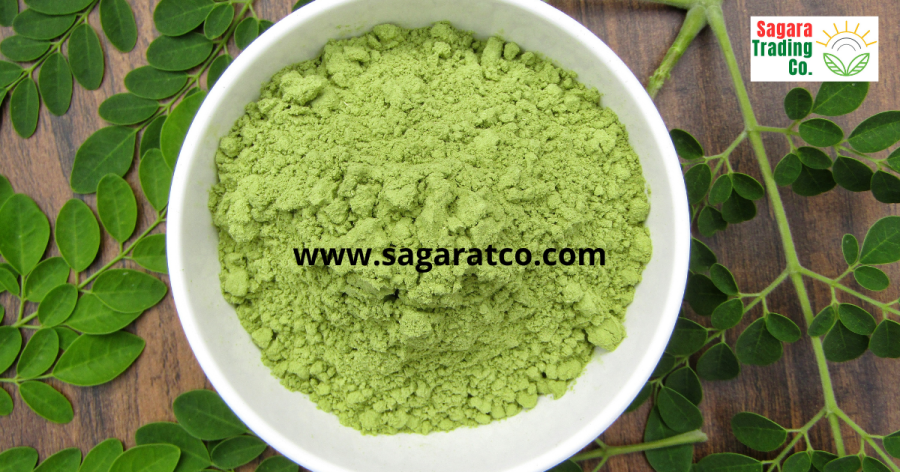
The global demand for moringa powder continues to grow as consumers, food manufacturers, wellness brands, and supplement companies look for natural plant-based ingredients with nutritional and functional value. Produced from the leaves of Moringa oleifera, moringa powder is widely recognized as a nutrient-rich superfood and versatile botanical ingredient.
However, not all moringa powder has the same quality. For importers, distributors, and manufacturers, evaluating the product before purchasing is essential. While laboratory analysis provides the most reliable assessment, three simple sensory characteristics—color, aroma, and texture—can provide useful first impressions of product freshness, processing quality, and consistency.
Why Moringa Powder Quality Matters
Moringa leaves naturally contain protein, dietary fiber, minerals, vitamins, carotenoids, and various plant compounds. The final quality of moringa powder depends on multiple factors, including cultivation practices, harvesting maturity, washing, drying temperature, milling, packaging, and storage.
Poor handling can negatively affect color, aroma, texture, and potentially nutritional quality. Therefore, buyers should evaluate sensory characteristics alongside technical documentation such as a Certificate of Analysis (COA), microbiological results, contaminant testing, moisture specifications, and traceability information.
For commercial buyers, sensory evaluation is best viewed as an initial quality-control step, not a replacement for laboratory testing.
1. Evaluating the Color of Moringa Powder
Color is often the first characteristic buyers notice.
What Does Good Moringa Powder Look Like?
High-quality moringa leaf powder commonly has a natural green to greenish color. The exact shade can vary depending on the variety, growing conditions, harvesting stage, drying method, and storage period.
A reasonably vibrant green appearance can indicate that the leaves were handled and dried appropriately. However, color alone cannot prove nutritional quality.
What Can Unusual Color Indicate?
Buyers should investigate powders that appear:
-
Very brown or excessively dull
-
Greyish or unusually dark
-
Unevenly colored
-
Extremely pale
-
Contaminated with visible foreign particles
Brownish discoloration may occur because of oxidation, excessive heat exposure, prolonged storage, or unsuitable processing conditions.
Importantly, brighter green does not automatically mean better quality. Some suppliers may prioritize appearance, while actual nutritional and microbiological quality requires analytical verification.
For international purchasing, buyers should establish an agreed color specification and request a representative sample before placing a large order.
2. Evaluating the Aroma
Fresh, properly processed moringa powder generally has a recognizable green, leafy, herbal, or earthy aroma.
The aroma should be noticeable but not unpleasant. Since moringa is a plant-based ingredient, a mild grassy or herbal scent is generally expected.
Warning Signs in Aroma
Be cautious if a sample has:
-
A musty smell
-
Strong sour or fermented notes
-
A rancid odor
-
An unusually chemical smell
-
A damp or mold-like aroma
These characteristics may suggest inappropriate storage, moisture exposure, contamination, or degradation.
Aroma evaluation is particularly useful when comparing samples from multiple suppliers. If two products have similar specifications but one has a noticeably fresher and cleaner aroma, this may provide useful information for further investigation.
Nevertheless, sensory evaluation should always be combined with microbiological and chemical testing before commercial approval.
3. Evaluating Moringa Powder Texture
Texture is another important characteristic, particularly for food and beverage manufacturers.
Good moringa powder should generally have a reasonably fine and consistent texture without excessive lumps or visible foreign material.
Particle size can influence how the powder performs in different applications. For example, smoothie manufacturers may prefer a fine powder that disperses more easily, while food manufacturers may have different specifications depending on their formulation.
Check for Lumps
Small variations can occur naturally, but excessive clumping may indicate moisture exposure.
When inspecting a sample, gently move the powder through a clean container and observe whether it flows freely. Excessive hard lumps can be a reason to investigate moisture content and packaging performance.
Check for Foreign Material
The powder should be free from obvious foreign matter such as:
-
Stems or large leaf fragments
-
Soil particles
-
Fibers
-
Insects
-
Packaging debris
-
Other plant materials
Professional suppliers should have appropriate cleaning, processing, and quality-control procedures to minimize these risks.
Sensory Evaluation vs. Laboratory Testing
Color, aroma, and texture are useful first-line indicators, but they cannot determine everything about moringa powder quality.
International buyers should also request appropriate documentation covering:
Moisture Content
Low and controlled moisture is important for maintaining powder stability during storage.
Microbiological Quality
Testing can help identify potential microbial contamination.
Heavy Metals
Depending on the destination market, heavy-metal specifications may be important for food and supplement applications.
Pesticide Residues
Buyers seeking organic or premium products may require relevant pesticide-residue documentation.
Nutritional Analysis
Testing can help verify nutritional parameters relevant to the intended product.
Certificate of Analysis
A batch-specific Certificate of Analysis (COA) provides useful evidence that the product meets agreed specifications.
Why Processing and Storage Influence Sensory Quality
The journey from fresh moringa leaves to finished powder involves several critical stages. Harvesting, cleaning, drying, milling, packaging, and storage can all influence the final product.
Drying is particularly important. Excessive heat can affect certain heat-sensitive compounds and color, while insufficient drying can leave excessive moisture in the product.
After processing, appropriate packaging is equally important. Moringa powder should be protected against moisture, oxygen, excessive heat, light, and contamination.
For importers, this means quality assessment should extend beyond the powder itself to include packaging specifications, storage conditions, batch controls, and transportation practices.
A Practical Buyer's Checklist
Before purchasing bulk moringa powder, international buyers can use the following checklist:
-
Request a representative sample.
-
Examine the natural green color.
-
Check for unusual discoloration.
-
Evaluate the aroma for freshness and cleanliness.
-
Examine texture and particle-size consistency.
-
Look for excessive clumping.
-
Check for visible foreign material.
-
Request a current Certificate of Analysis.
-
Review moisture and microbiological specifications.
-
Ask about drying, milling, packaging, and storage processes.
-
Confirm traceability and batch information.
-
Verify that documentation meets the requirements of the destination market.
This approach helps buyers make more informed purchasing decisions and reduce the risk of inconsistent raw materials.
Choosing an Indonesian Moringa Powder Supplier
Indonesia has significant potential in the international moringa market because its tropical agricultural environment is suitable for cultivating Moringa oleifera. Indonesian moringa can serve food manufacturers, beverage companies, supplement brands, distributors, and wellness businesses seeking plant-based ingredients.
CV. Sagara Trading Corp is one of the Suppliers of moringa powder in Indonesia, connecting international buyers with Indonesian agricultural products. For importers looking for moringa powder for commercial applications, working with an export-oriented supplier can help simplify communication about product specifications, packaging, quantities, documentation, and international shipping requirements.
For premium buyers, supplier selection should focus not only on price but also on quality consistency, transparency, documentation, traceability, and long-term supply reliability.
Conclusion
Evaluating the color, aroma, and texture of moringa powder before buying is a practical first step for importers and manufacturers. A natural green appearance, clean herbal aroma, and fine, consistent texture can provide useful clues about handling and processing.
However, sensory evaluation should never replace laboratory testing. The strongest purchasing strategy combines sensory inspection with a comprehensive quality-control program covering moisture, microbiological safety, contaminants, nutritional specifications, packaging, and traceability.
As global interest in natural superfoods continues to expand, high-quality Indonesian moringa powder can provide food and wellness companies with a versatile ingredient for beverages, bakery products, supplements, snacks, and other plant-based innovations. Choosing a reliable supplier and establishing clear quality specifications from the beginning can help buyers build a more consistent and sustainable supply chain.
Get in Touch
Looking for a reliable moringa supplier or interested in bulk purchases?
WhatsApp: +62 878 4405 6342
Email: sales@sagaratco.com
Instagram: @sagaratco
Facebook: Sagaratco
Website: www.sagaratco.com
#MoringaGlobalMarket #MoringaExports #SuperfoodRevolution #SustainableTrade #OrganicMoringa #GlobalWellness #HealthyLiving #GreenEconomy #MoringaLeafPowder #NaturalSupplements #HerbalNutrition #IndonesiaExport #MoringaBusiness #PlantBasedPower #EcoFriendlyFarming #NaturalProducts #MoringaFromIndonesia #TrustedSupplier #CVSagaraTradingCorp #MoringaForTheWorld #SustainabilityMatters #WellnessIndustry #AgriculturalExport #Sagaratco #MoringaInnovation #Moringa #MiracleTree #OrganicSuperfood #NaturalHealth #SustainableFarming #IndonesianMoringa
Category:


