
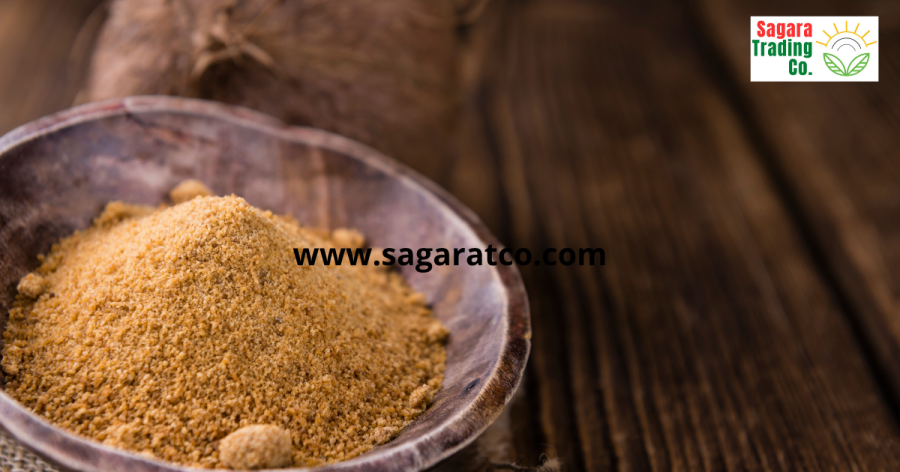
As demand for natural sweeteners continues to grow worldwide, coconut sugar has become an increasingly popular ingredient among food manufacturers, retailers, importers, and health-conscious consumers. Known for its distinctive caramel-like flavor and natural origin, coconut sugar is used in beverages, bakery products, snacks, sauces, desserts, and functional foods.
However, one common challenge in handling coconut sugar is clumping during storage. Although clumping does not necessarily mean the product has spoiled, it can affect appearance, convenience, handling, and processing efficiency. For businesses purchasing coconut sugar in bulk, proper storage is therefore an important part of maintaining product quality.
Why Does Coconut Sugar Clump?
Coconut sugar is hygroscopic, meaning it can absorb moisture from the surrounding environment. When exposed to humid air, moisture can enter the sugar particles and cause them to stick together.
Moisture Is the Main Factor
Humidity is particularly important in tropical environments. If coconut sugar is stored in an area with high relative humidity or if packaging is left open for extended periods, the product may absorb moisture. This can result in softening, sticky particles, or hard lumps.
For Indonesian coconut sugar exporters and international buyers, effective moisture control during coconut sugar storage is essential from production through transportation and final use.
Temperature Fluctuations
Rapid changes in temperature can contribute to condensation inside packaging. When warm, humid air encounters a cooler surface, water may condense and increase the moisture level around the sugar.
Maintaining a relatively stable storage environment can help minimize this risk.
Best Practices for Preventing Coconut Sugar Clumping
1. Use Moisture-Resistant Packaging
Packaging is the first line of defense against humidity. Coconut sugar intended for international export should be packed using suitable food-grade materials that provide an effective barrier against moisture.
For bulk shipments, buyers should discuss packaging specifications with their supplier before placing an order. Proper inner liners, sealed bags, and strong outer packaging can help protect the product during transportation and storage.
2. Store Coconut Sugar in a Dry Environment
A clean, dry warehouse is essential for maintaining coconut sugar quality. Avoid storing coconut sugar directly against walls, floors, or areas exposed to water.
Ideally, products should be placed on pallets with adequate clearance to allow air circulation and reduce the possibility of moisture transfer.
3. Control Warehouse Humidity
For commercial operations, monitoring relative humidity can provide an additional layer of quality control. Dehumidification or climate-controlled storage may be beneficial in particularly humid locations.
Importers should consider local climate conditions when designing their coconut sugar storage requirements.
4. Keep Packaging Sealed
Once a package has been opened, exposure to ambient humidity increases significantly. Food manufacturers should reseal unused coconut sugar promptly after removing the required quantity.
For larger operations, dividing bulk coconut sugar into appropriately sized, sealed containers can reduce repeated exposure to air.
5. Apply First-In, First-Out Inventory Management
The FIFO (First-In, First-Out) method helps ensure that older stock is used before newer shipments. This is especially useful for businesses managing large inventories.
Good inventory rotation can reduce the amount of time coconut sugar remains exposed to storage conditions and helps maintain consistent product quality.
What Should Buyers Check Before Importing?
International buyers should not focus solely on price when purchasing coconut sugar. Product specifications and packaging are equally important.
Important Coconut Sugar Specifications
Buyers should consider:
-
Moisture content
-
Particle size and granulation
-
Color and appearance
-
Microbiological quality
-
Packaging specifications
-
Shelf-life information
-
Storage recommendations
-
Production and processing standards
-
Food safety documentation
A supplier that can provide clear specifications and consistent batches can help importers reduce quality issues throughout their supply chain.
Can Clumped Coconut Sugar Still Be Used?
Mild clumping does not automatically indicate that coconut sugar is unsafe or unusable. In many cases, small lumps can be broken apart through mechanical sieving or gentle crushing, depending on the intended application.
However, manufacturers should always evaluate the product according to their food safety procedures. If coconut sugar shows unusual odor, visible mold, excessive moisture, contamination, or other signs of deterioration, it should not be used without appropriate quality assessment.
For industrial applications, preventing clumping is preferable to attempting to correct the problem later.
Indonesian Coconut Sugar and Global Supply Chains
Indonesia is one of the world's important sources of coconut-based agricultural products. Traditional coconut farming communities produce coconut sugar by collecting sap from coconut blossoms and processing it into a naturally sweet ingredient.
As international demand for natural sweeteners, clean-label ingredients, and sustainable food products continues to develop, Indonesian coconut sugar offers food manufacturers an opportunity to incorporate a distinctive plant-based ingredient into their product lines.
Nevertheless, quality depends on the entire supply chain. Proper harvesting, processing, drying, packaging, transportation, and storage all contribute to maintaining the desired characteristics of coconut sugar.
A Simple Storage Strategy
For businesses handling coconut sugar, the formula is straightforward:
Control moisture + use protective packaging + maintain stable storage conditions + minimize air exposure + rotate inventory efficiently.
These basic practices can significantly reduce the likelihood of coconut sugar clumping and help preserve its texture, appearance, and usability.
For importers and distributors, selecting a supplier that understands both product quality and international logistics is equally important. Consistent specifications and appropriate export packaging can make coconut sugar easier to manage from the Indonesian production stage to warehouses and manufacturing facilities around the world.
Get in Touch
Looking for a reliable Indonesian coconut sugar supplier or interested in bulk purchases?
WhatsApp: +62 878 4405 6342
Email: sales@sagaratco.com
Instagram: @sagaratco
Facebook: Sagaratco
Website: www.sagaratco.co
#Sagaratco #OrganicProduct #SustainableTrade #HealthyLiving #NaturalSweetener #CoconutSugar #IndonesiaCoconutSugar #SustainableFood #EcoFriendlySweetener #OrganicSugar #TropicalTaste #CoconutGoodness #PlantBased #SugarAlternative #FairTradeSugar #HealthyLifestyle #NaturalFlavor #AsianSuperfood #SweetFromNature #CoconutFarmers #IndonesianExport #GlobalMarket #SustainableSweetness #CVSagaraTradingCorp
Category:


