
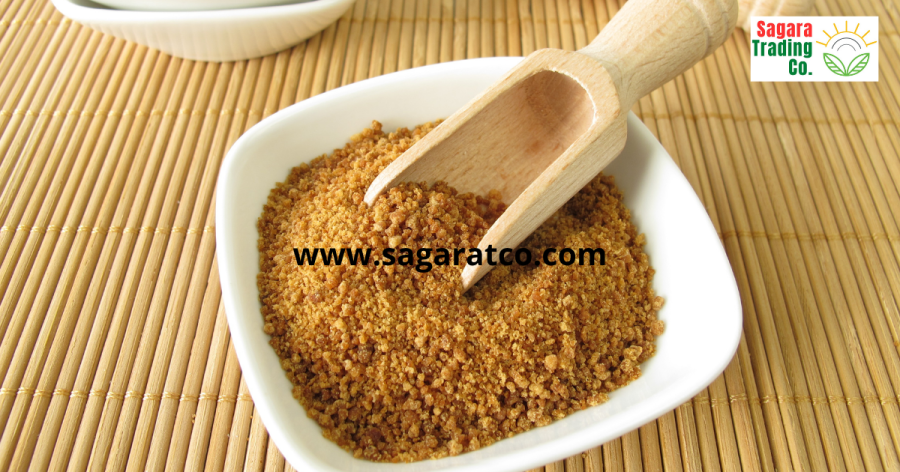
For international food manufacturers, importers, and distributors, buying coconut sugar is about more than comparing prices. Product quality, food safety, consistency, and documentation all play an important role in building a reliable global supply chain. One of the most useful documents for evaluating a shipment is the Certificate of Analysis (COA).
A Coconut Sugar Certificate of Analysis provides laboratory test results for a specific product batch. Learning how to read a COA allows buyers to verify whether the coconut sugar meets agreed specifications and is suitable for food manufacturing, distribution, and international trade.
As global demand for natural sweeteners and clean-label ingredients continues to grow, understanding quality documentation has become increasingly important. For buyers sourcing Indonesian coconut sugar, a well-prepared COA can provide valuable insight into product consistency and quality control.
What Is a Coconut Sugar Certificate of Analysis?
A Certificate of Analysis is a quality document containing analytical results for a particular batch or lot of coconut sugar. It is generally issued by a manufacturer, supplier, or testing laboratory.
A COA may contain information about:
-
Product name
-
Batch or lot number
-
Production date
-
Testing date
-
Specification requirements
-
Actual laboratory results
-
Testing methods
-
Microbiological parameters
-
Chemical or physical characteristics
-
Moisture content
-
Packaging or product identification
The exact information varies according to the supplier, buyer requirements, destination market, and product specification.
Key Sections to Check on a Coconut Sugar COA
1. Product Identification
Start by checking whether the COA clearly identifies the product you purchased.
The product name, batch number, production information, and other identification details should correspond with the actual shipment. This is particularly important for bulk coconut sugar imports, where several production batches may be involved.
A mismatch between the COA and shipment documentation should be investigated before the product is released for production.
2. Moisture Content
Moisture content is an important quality parameter for coconut sugar. Excessive moisture can contribute to clumping and changes in handling characteristics during storage.
Importers should compare the reported moisture result with the specification agreed with the supplier.
For manufacturers using coconut sugar in bakery products, beverages, snacks, or confectionery, consistent moisture characteristics can help improve formulation and processing consistency.
3. Microbiological Results
Microbiological testing helps assess whether a food ingredient meets established microbiological requirements.
Depending on the buyer's specification and applicable regulations, a coconut sugar COA may include parameters such as:
-
Total Plate Count
-
Yeast and Mold
-
Coliforms
-
E. coli
-
Salmonella
Not every COA will contain every parameter. Buyers should therefore confirm which microbiological requirements apply to their intended market and application.
4. Heavy Metals
International food manufacturers may also require testing for heavy metals, depending on regulatory requirements and product specifications.
Parameters can include substances such as lead, arsenic, cadmium, and mercury. Buyers should check both the reported result and the applicable maximum limits for their destination market.
5. Physical and Sensory Characteristics
A COA may also provide information about physical characteristics such as:
-
Color
-
Appearance
-
Odor
-
Taste
-
Granulation
-
Solubility
-
Foreign matter
These characteristics are particularly relevant for food manufacturers because coconut sugar can influence the appearance, flavor, and processing behavior of finished products.
How to Compare COA Results With Specifications
One of the most important skills for an importer is understanding the difference between “specification” and “result.”
The specification represents the required quality limit or target. The result represents the actual value obtained from testing.
For example, if a buyer's specification states that moisture must be below a certain limit, the COA should show an actual measured result that complies with that requirement.
Don't Look at Only One Parameter
A coconut sugar shipment should not be evaluated based on moisture alone. A comprehensive quality assessment may consider microbiological safety, contaminants, physical characteristics, packaging, traceability, and other contractual requirements.
The COA is one component of a broader food safety and quality assurance system.
Why COAs Matter When Importing Indonesian Coconut Sugar
Indonesia has a strong agricultural sector and is an important source of coconut-based ingredients for international markets. Indonesian coconut sugar is increasingly used by food manufacturers producing bakery products, granola, snacks, beverages, sauces, confectionery, and other food products.


For international buyers, however, the origin of a product is only one part of the purchasing decision. Supplier transparency, batch consistency, testing procedures, documentation, and traceability are equally important.
A clear COA can help importers communicate effectively with suppliers and quality-control teams while reducing uncertainty during international procurement.
Questions Importers Should Ask Their Coconut Sugar Supplier
Before confirming a large order, buyers can ask:
-
Is the COA available for every production batch?
-
Who performed the laboratory analysis?
-
What testing methods were used?
-
Does the COA correspond to the shipment batch number?
-
What specifications does the product meet?
-
Can additional laboratory testing be provided if required?
-
Is traceability information available?
-
Can the supplier provide other food safety documentation?
These questions can help buyers establish a more transparent and dependable purchasing process.
COA vs. Other Food Safety Documents
A COA should not be confused with other certification or compliance documents.
A COA generally provides analytical results for a specific batch.
An Organic Certificate verifies compliance with applicable organic standards when issued by an authorized certification body.
A Certificate of Origin confirms the origin of goods for trade purposes.
Other documents may include product specifications, allergen statements, declarations, or food safety certifications.
For international trade, importers may need several documents depending on the destination country's requirements and the customer's internal quality system.
Best Practices for International Buyers
When reviewing a coconut sugar COA, consistency is key. Buyers should establish product specifications before purchasing and ensure that the supplier understands the required parameters.
It is also useful to retain COAs and shipment records for traceability. For high-volume or critical applications, independent laboratory verification may provide an additional layer of quality assurance.
Most importantly, buyers should avoid judging a supplier solely by price. A reliable Indonesian coconut sugar supplier should be able to communicate clearly about specifications, testing, documentation, packaging, and batch consistency.
The Future of Coconut Sugar Quality Assurance
The global natural sweetener market is becoming increasingly sophisticated. Food manufacturers and consumers are paying greater attention to ingredient transparency, responsible sourcing, food safety, and supply-chain traceability.
As this trend continues, documentation such as the Coconut Sugar Certificate of Analysis will remain an important tool for international buyers.
For manufacturers developing clean-label and naturally positioned products, Indonesian coconut sugar can offer an interesting ingredient option. However, successful sourcing depends on combining product quality with reliable documentation and consistent supplier performance.
CV Sagara Trading Corp – Indonesian Coconut Sugar Exporter
CV Sagara Trading Corp is a trusted exporter of Indonesian coconut sugar, connecting international importers, distributors, and food manufacturers with quality ingredients from Indonesia. For businesses seeking Indonesian coconut sugar suppliers, bulk coconut sugar, and reliable agricultural products, CV Sagara Trading Corp supports international sourcing with a focus on quality, communication, and dependable supply.
Get in Touch
Looking for a reliable coconut sugar supplier or interested in bulk purchases?
WhatsApp: +62 878 4405 6342
Email: sales@sagaratco.com
Instagram: @sagaratco
Facebook: Sagaratco
Website: www.sagaratco.co
#Sagaratco #OrganicProduct #SustainableTrade #HealthyLiving #NaturalSweetener #CoconutSugar #IndonesiaCoconutSugar #CoconutSugarSupplier #CoconutSugarCOA #CertificateOfAnalysis #FoodSafety #FoodIngredients #QualityControl #NaturalSweetener #SustainableFood #OrganicSugar #PlantBased #IndonesianExport #GlobalMarket #CoconutFarmers #SustainableSweetness #CVSagaraTradingCorp
Category:


