
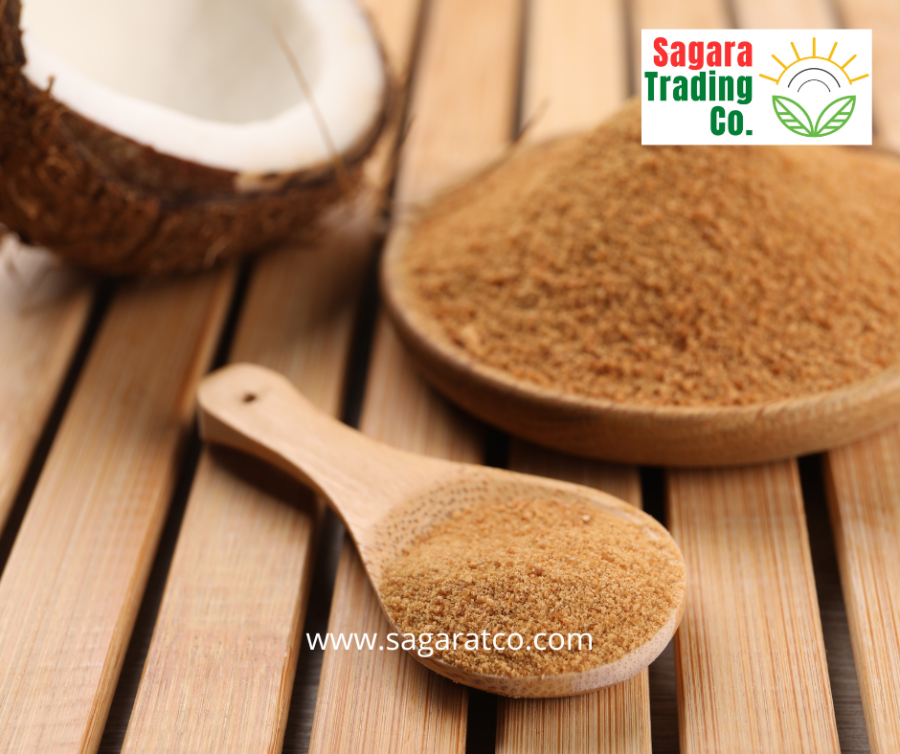
In the booming world of natural sweeteners, coconut sugar has emerged as a global favorite. Loved for its golden caramel taste, low glycemic index, and sustainable origin, it’s now found in kitchens, cafés, and factories across continents. But did you know that not all coconut sugars are the same?
From Indonesia to the Philippines to Thailand, each country produces coconut sugar with its own distinct character — shaped by climate, soil, tree variety, and traditional techniques. These subtle differences create unique flavors and textures that appeal to different international markets.
Let’s dive into the fascinating world of coconut sugar and explore what sets these three major producers apart — and why Indonesia’s coconut sugar stands at the top for taste, quality, and sustainability.
The Coconut Belt: Where Sweetness is Born
All three countries — Indonesia, the Philippines, and Thailand — share one tropical gift: the coconut palm (Cocos nucifera). This remarkable tree thrives in humid coastal regions, producing sap that can be transformed into the golden granules we know as coconut sugar.
But while the tree species may be similar, local microclimates and farming traditions have created entirely different sweetening cultures. The result: three distinctive profiles that the global market recognizes and values differently.
Indonesia: The Heart of Authentic Coconut Sugar
When you think of traditional coconut sugar, think of Indonesia — the world’s largest and most authentic producer. From Central Java to Bali, generations of farmers have perfected the art of turning nira kelapa (coconut sap) into rich, flavorful sugar using time-honored techniques.
Taste Profile
Indonesian coconut sugar is famous for its deep caramel tone and balanced sweetness. It’s not overpowering — instead, it offers a smooth, warm flavor with notes of toffee, honey, and a hint of smokiness. This natural complexity makes it a favorite among chefs and artisans looking for depth rather than just sweetness.
Production Process
Most Indonesian farmers still produce coconut sugar by hand, using traditional earthen stoves and slow evaporation to preserve natural nutrients. This method ensures a low level of processing and maintains the sugar’s minerals like potassium, magnesium, and zinc.
Export Quality
Indonesia’s coconut sugar is widely recognized for its consistency and purity, making it the preferred choice for organic and fair-trade buyers. Many Indonesian producers, such as CV Sagara Trading Corp, work directly with certified farmer cooperatives to ensure traceability and sustainable sourcing — key values for modern consumers.
The Philippines: The Pioneer of Commercial Coconut Sugar
The Philippines was among the first to introduce coconut sugar to Western markets. Known locally as coco sap sugar or coco nectar sugar, the country has invested in large-scale processing and international certification to expand its global reach.
Taste Profile
Philippine coconut sugar is generally lighter and milder in flavor compared to Indonesian sugar. It has a clean, neutral sweetness with subtle hints of butterscotch, making it suitable for products like beverages, baked goods, and health supplements.
Production Process
The Philippines uses more mechanized and standardized production systems, ensuring consistent granule size and moisture content. However, this efficiency sometimes comes at the cost of flavor richness and artisanal character.
Export Strength
Philippine coconut sugar dominates North American and European health food markets due to early certifications (USDA Organic, Fair Trade). Still, for manufacturers seeking a deeper flavor profile, many prefer to blend Philippine sugar with the richer tones of Indonesian coconut sugar.
Thailand: The Art of Palm Sweetness
Thailand’s contribution to the world of sweeteners is deeply rooted in its palm sugar culture. While not all Thai palm sugar is made from coconuts (many use Arenga or Borassus palms), Thai coconut sugar has gained recognition for its delicate flavor and light color.
Taste Profile
Thai coconut sugar tends to be sweeter and more floral, with notes of jasmine and honey. Its pale golden hue and soft texture make it popular in traditional Thai desserts like khanom chan or mango sticky rice.
Production Process
Thai producers often focus on small-batch artisan methods, using clay pots and controlled heating. However, because of regional variations and a smaller production scale, quality consistency can be a challenge for large-scale export buyers.
Export Presence
Thailand exports coconut sugar mainly to Japan, Korea, and premium food markets that appreciate artisanal products. However, in terms of global bulk supply, it remains behind Indonesia and the Philippines.
Side-by-Side Comparison: The Global Sweetness Map
| Feature | Indonesia | Philippines | Thailand |
|---|---|---|---|
| Flavor | Deep caramel, earthy, rich | Light, clean, mild | Sweet, floral, delicate |
| Color | Dark amber to golden brown | Medium amber | Light golden |
| Texture | Fine granules, dry | Uniform and refined | Soft and slightly moist |
| Production Style | Traditional & artisanal | Mechanized & industrial | Artisanal, small-scale |
| Nutrient Retention | High | Moderate | Moderate |
| Sustainability | High — minimal impact | Medium — industrialized | High — local farming |
| Export Volume | Largest globally | Second largest | Limited but growing |
| Ideal For | Premium food, natural products, exports | Beverages, mass products | Gourmet desserts, niche markets |
Why Indonesia Leads the Global Market
Indonesia’s coconut sugar stands out because it combines flavor richness, sustainability, and reliability. Its production supports thousands of smallholder farmers, preserves traditional craftsmanship, and aligns with modern eco-conscious standards.
Moreover, Indonesian coconut sugar offers:
-
Authentic flavor without additives or bleaching
-
High mineral content retained from natural sap
-
Stable supply chain for large export volumes
-
Competitive pricing without compromising quality
For these reasons, international brands and manufacturers increasingly choose Indonesia as their main source of coconut sugar.
The Role of CV Sagara Trading Corp in Global Coconut Sugar Supply
As one of Indonesia’s most trusted suppliers and exporters, CV Sagara Trading Corp has earned a strong reputation for quality, consistency, and integrity.
The company works closely with certified farmers and processors across Java and Sulawesi to ensure:
-
Sustainable harvesting of coconut sap
-
Hygienic and traceable production
-
Strict moisture and color control for export standards
-
Custom packaging for industrial, retail, or bulk needs
From organic coconut sugar granules to block and syrup variants, CV Sagara Trading Corp provides global buyers with products that meet international certifications and taste expectations — a true representation of Indonesia’s natural sweetness.
Coconut Sugar: More Than a Sweetener
What sets coconut sugar apart isn’t just its flavor — it’s its story. It represents a bridge between tradition and innovation, between rural farmers and global kitchens.
Choosing coconut sugar from Indonesia means supporting:
-
Sustainable agriculture
-
Ethical trade practices
-
Local communities
-
Environmentally responsible supply chains
It’s not just about sweetness — it’s about connection, culture, and care.
The Future of Coconut Sugar in the Global Market
As global consumers continue to shift toward clean-label and plant-based products, the demand for coconut sugar will keep rising. Indonesia’s combination of flavor authenticity, scalability, and sustainability ensures it will remain the world’s top supplier for years to come.
And with companies like CV Sagara Trading Corp leading the charge in responsible sourcing, the sweetness of the future is not only delicious — it’s ethical, traceable, and empowering.
Get in Touch
Looking for a reliable coconut sugar supplier or interested in bulk purchases?
WhatsApp: +62 878 4405 6342
Email: sales@sagaratco.com
Instagram: @sagaratco
Facebook: Sagaratco
Website: www.sagaratco.co
#CoconutSugar #IndonesiaCoconutSugar #NaturalSweetener #HealthyLiving #SustainableFood #EcoFriendlySweetener #OrganicSugar #TropicalTaste #CoconutGoodness #PlantBased #SugarAlternative #FairTradeSugar #HealthyLifestyle #NaturalFlavor #AsianSuperfood #SweetFromNature #CoconutFarmers #IndonesianExport #GlobalMarket #SustainableSweetness #Sagaratco #CVSagaraTradingCorp
Category:


