
In the world of gourmet cooking and healthy eating, the smallest ingredients often make the biggest difference. One such ingredient quietly making waves in professional kitchens is coconut sugar. With its natural caramel notes, nutrient content, and eco-friendly production, it’s becoming the sweetener of choice for many health-conscious chefs around the globe.
This article takes you behind the scenes into the kitchens of healthy chefs to explore why coconut sugar has earned a permanent spot in their pantries, the culinary benefits it offers, and why sourcing it from a trusted supplier like CV Sagara Trading Corp matters.
Coconut Sugar – A Natural Sweetener with a Gourmet Touch
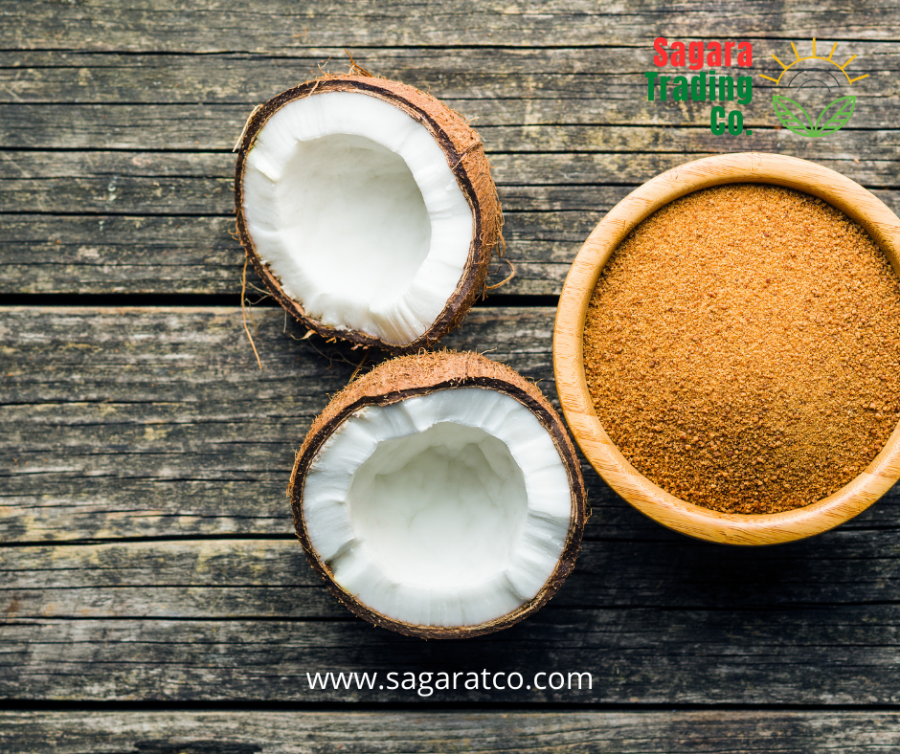
Coconut sugar, also known as coconut palm sugar, is produced from the sap of the coconut palm flower. The sap is collected, gently heated, and crystallized into golden-brown granules. Unlike refined white sugar, which undergoes extensive bleaching and chemical processing, coconut sugar retains a natural richness—both in flavor and nutrients.
Key characteristics chefs love:
-
Flavor profile: Deep caramel notes without being overpowering.
-
Texture: Fine, easy to blend, and dissolves evenly.
-
Aroma: Subtle and warm, enhancing baked goods, sauces, and beverages.
Why Healthy Chefs Prefer Coconut Sugar
From Michelin-star restaurants to plant-based cafés, chefs are making the switch to coconut sugar for both flavor and health reasons. Here’s why:
a) Lower Glycemic Index (GI)
Coconut sugar has a GI of around 35, compared to white sugar’s 60–65. This means it causes a slower rise in blood sugar levels—important for both chefs catering to diabetic customers and those creating low-GI menus.
b) Nutritional Edge
While no sugar is “health food,” coconut sugar retains trace amounts of potassium, magnesium, zinc, and iron, plus antioxidants and inulin (a dietary fiber that supports gut health).
c) Vegan & Unrefined
Chefs committed to plant-based menus love that coconut sugar is 100% vegan—no bone char processing—and free from chemical refining.
d) Sustainable Sourcing
Coconut palms are incredibly sustainable, producing sap for decades without harming the tree, making coconut sugar an eco-friendly choice in line with sustainable kitchen practices.
How Chefs Use Coconut Sugar in the Kitchen
Healthy chefs appreciate coconut sugar for its versatility—it’s more than just a sweetener; it’s a flavor enhancer.
Popular culinary uses include:
-
Baked Goods – Adds depth to cookies, muffins, and cakes.
-
Hot Drinks – Complements coffee, matcha, and herbal teas.
-
Savory Dishes – Balances spice in curries, marinades, and stir-fry sauces.
-
Dressings & Glazes – Perfect for vinaigrettes or roasted vegetable glazes.
-
Desserts – Ideal for caramel sauces, puddings, and custards.
Chef’s Tip: When substituting for white sugar, coconut sugar can be used in a 1:1 ratio in most recipes.
A Peek Into Real Chef Stories
Healthy chefs from around the world have shared why they’ve made coconut sugar their sweetener of choice:
-
Chef Amina (Plant-Based Café Owner, Bali):
“My customers love that our desserts are indulgent but still healthier. Coconut sugar gives a beautiful golden color to vegan brownies and a rich, toffee-like taste.” -
Chef Laurent (French Pastry Chef, Paris):
“I use coconut sugar for certain patisserie items where I want complexity in sweetness. It’s perfect for fruit tarts and caramelized toppings.” -
Chef Rio (Wellness Retreat Chef, Australia):
“At our retreat, every ingredient matters. Coconut sugar allows us to offer treats without compromising on nutrition or sustainability.”
Health-Conscious Dining and Customer Demand
Today’s diners are more informed and selective about their food. Many actively seek restaurants and cafés that use natural sweeteners over refined sugar.
Trends driving demand for coconut sugar in professional kitchens:
-
Growth of vegan and vegetarian menus.
-
Increasing interest in low-GI diets.
-
Consumer preference for sustainable and ethically sourced ingredients.
-
Rising awareness of hidden sugars in food.
By using coconut sugar, chefs not only enhance the quality of their dishes but also meet customer expectations for transparency and wellness.
Nutritional Snapshot of Coconut Sugar
| Nutrient | Amount (per 100g) |
|---|---|
| Calories | ~375 kcal |
| Carbohydrates | ~92 g |
| Fiber | ~2 g |
| Potassium | ~1,100 mg |
| Magnesium | ~29 mg |
| Glycemic Index | ~35 |
Source: USDA & Philippine Department of Agriculture
The Sustainability Factor
Many chefs view ingredient sourcing as a reflection of their culinary values. Coconut sugar production supports rural farming communities and promotes biodiversity.
-
Minimal environmental footprint compared to cane sugar.
-
Tree-friendly harvesting—sap collection does not cut down the palm.
-
Year-round production providing steady farmer income.
Choosing coconut sugar is not just a kitchen decision—it’s a sustainability statement.
Why CV Sagara Trading Corp is the Supplier Chefs Trust
When sourcing ingredients like coconut sugar, consistency, purity, and ethical production are non-negotiable for professional chefs. That’s where CV Sagara Trading Corp excels.
-
Premium Quality
-
Strict Quality Standards
-
Global Supply Capability
-
Commitment to Sustainability
By partnering with CV Sagara, chefs know they’re getting the finest coconut sugar that aligns with both culinary excellence and ethical sourcing.
More Than Just Sweetness
Coconut sugar isn’t just a trend—it’s becoming a staple in healthy and high-end kitchens worldwide. Its rich taste, gentle impact on blood sugar, and eco-friendly origins make it a favorite among chefs committed to better food and a better planet.
Whether for pastries, savory dishes, or craft beverages, coconut sugar is proving that sweetness can be both indulgent and mindful. And when sourced from trusted suppliers like CV Sagara Trading Corp, it’s an ingredient that brings both flavor and values to the table.
Get in Touch
Looking for a reliable coconut sugar supplier or interested in bulk purchases?
WhatsApp: +62 878 4405 6342
Email: sales@sagaratco.com
Instagram: @sagaratco
Facebook: Sagaratco
Website: www.sagaratco.com
Category:


