
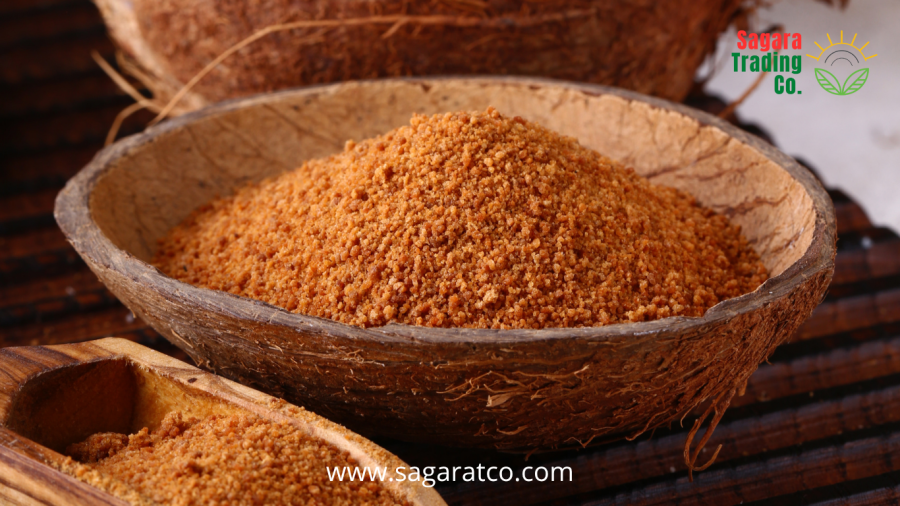
Coconut sugar has gained popularity in recent years as a natural sweetener that promises a healthier alternative to refined white sugar. From health-conscious consumers to vegan enthusiasts, many are switching to this tropical delight not only for its caramel-like flavor but also for its natural processing and nutritional value.
But two questions are often raised: Is coconut sugar suitable for vegans? and Can diabetics safely consume it? This article will dive deep into these questions, backed by scientific insights and expert opinions, while also exploring why coconut sugar from CV Sagara Trading Corp is trusted worldwide.
1. Understanding Coconut Sugar
Coconut sugar is made from the sap of the flower buds of the coconut palm tree (Cocos nucifera). The sap is collected, gently heated to evaporate the water, and crystallized into golden-brown granules. Unlike refined white sugar, it is minimally processed and retains trace amounts of minerals like potassium, magnesium, zinc, and iron, as well as antioxidants.
Its low glycemic index (GI ~35) also sets it apart from regular sugar (GI 60–65), making it a favorite for those aiming to manage blood sugar levels.
2. Is Coconut Sugar Vegan-Friendly?
The short answer is yes—coconut sugar is naturally vegan. Here’s why:
-
Plant-Based Origin
Coconut sugar is derived entirely from plants—specifically, the sap of coconut palms—without the involvement of any animal products or by-products. -
No Bone Char in Processing
Unlike some refined white sugar, which may be processed using bone char (often from cattle) for whitening, coconut sugar retains its natural golden-brown color and does not require bleaching. -
Sustainable Harvesting
The coconut palms are tapped in a way that allows them to continue producing sap for years, making it a sustainable choice. This aligns with many vegans’ commitment to environmental and ethical consumption.
Expert Insight: Vegan dietitians recommend coconut sugar as a natural sweetener option for vegan baking, beverages, and desserts because it does not compromise plant-based principles.
3. Coconut Sugar and Diabetics – What the Experts Say
For people with diabetes, sugar intake must be managed carefully. While coconut sugar is not sugar-free, its lower glycemic index offers certain benefits.
-
Slower Blood Sugar Spikes
A GI of around 35 means coconut sugar causes a slower rise in blood sugar levels compared to white sugar, which can help diabetics maintain better glycemic control. -
Nutritional Edge
Coconut sugar contains small amounts of inulin, a type of dietary fiber that may slow glucose absorption and support gut health. -
Still a Sugar
Nutritionists emphasize that coconut sugar should be used in moderation. While it’s a healthier choice, it is not a free pass to consume large amounts.
4. How Vegans Use Coconut Sugar
Coconut sugar is incredibly versatile in vegan cooking and baking. Some popular uses include:
-
Baking – Cookies, brownies, cakes, and muffins get a rich caramel note.
-
Beverages – Coffee, tea, smoothies, and vegan lattes.
-
Desserts – Vegan ice creams, puddings, and energy balls.
-
Sauces & Dressings – Adds sweetness to stir-fry sauces or salad dressings without refined sugar.
5. How Diabetics Can Incorporate Coconut Sugar
If you have diabetes and want to enjoy coconut sugar, here are some tips:
-
Small Portions – Use 1–2 teaspoons instead of tablespoons.
-
Pair with Fiber & Protein – Combine with whole grains, nuts, or seeds to slow sugar absorption.
-
Limit Frequency – Treat it as an occasional indulgence, not a daily staple.
-
Monitor Blood Sugar – Test your blood sugar after trying coconut sugar to see how your body responds.
6. Nutritional Profile at a Glance
| Nutrient | Amount (per 100g) |
|---|---|
| Calories | ~375 kcal |
| Carbohydrates | ~92 g |
| Fiber | ~2 g |
| Potassium | ~1,100 mg |
| Magnesium | ~29 mg |
| Glycemic Index | ~35 |
Source: USDA & Philippine Department of Agriculture
7. Sustainability and Ethical Appeal
For both vegans and eco-conscious consumers, coconut sugar holds another major advantage—it’s one of the most sustainable sweeteners in the world.
-
Coconut palms require less water compared to sugarcane.
-
Harvesting sap doesn’t harm the tree—it can keep producing for 20+ years.
-
Production supports rural farming communities in tropical regions like Indonesia.
8. Why CV Sagara Trading Corp is the Trusted Choice
When choosing coconut sugar, quality matters. CV Sagara Trading Corp is a trusted Indonesian supplier with a strong reputation for:
- Premium Quality – Carefully sourced from selected coconut farms.
- Strict Quality Control – Ensuring purity, hygiene, and consistent taste.
- Sustainability Commitment – Supporting local farmers and eco-friendly practices.
- Global Reach – Supplying coconut sugar to satisfied customers worldwide.
Whether you’re a vegan, diabetic, or simply someone looking for a healthier sweetener, CV Sagara ensures that every batch of coconut sugar meets the highest standards.
So, is coconut sugar suitable for vegans and diabetics?
-
For Vegans: Absolutely—coconut sugar is 100% plant-based, unprocessed with animal products, and environmentally sustainable.
-
For Diabetics: Yes, but in moderation—its low glycemic index makes it a better choice than refined sugar, but it’s still sugar.
With its rich flavor, gentle processing, and ethical appeal, coconut sugar truly stands out as a smart and sustainable sweetener for today’s health-conscious world.
Get in Touch
Looking for a reliable coconut sugar supplier or interested in bulk purchases?
WhatsApp: +62 878 4405 6342
Email: sales@sagaratco.com
Instagram: @sagaratco
Facebook: Sagaratco
Website: www.sagaratco.com
Category:


