
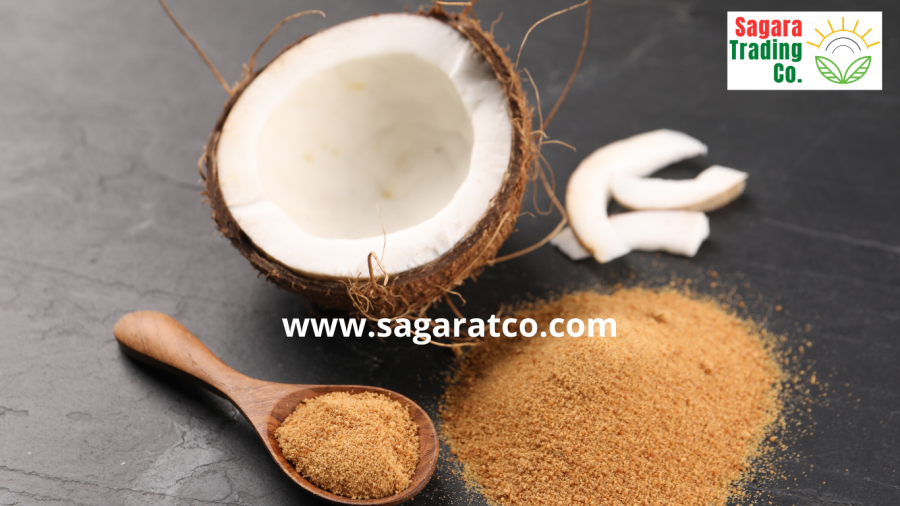
As consumers around the world increasingly embrace healthier lifestyles and clean-label ingredients, organic sweeteners have become essential staples in modern kitchens. Products such as coconut sugar, organic cane sugar, maple sugar, and natural sweetener blends are gaining popularity among households, food manufacturers, cafés, and wellness-focused brands.
However, selecting premium ingredients is only part of the equation. Proper storage plays an equally important role in preserving flavor, texture, quality, and shelf life. Understanding how to store organic sweeteners for maximum freshness helps consumers and businesses protect product value while reducing food waste.
Among natural sweeteners, Indonesian coconut sugar continues to stand out globally due to its quality, sustainability, and versatility across food applications.
Why Proper Storage Matters for Organic Sweeteners
Organic sweeteners are often minimally processed, making storage conditions especially important.
Environmental exposure may influence:
-
Texture consistency
-
Product flowability
-
Aroma retention
-
Moisture absorption
-
Shelf-life performance
Because many natural sweeteners are hygroscopic—meaning they attract moisture from the surrounding air—careful kitchen organization becomes essential.
Common Organic Sweeteners That Require Proper Storage
Examples include:
-
Coconut sugar
-
Organic cane sugar
-
Palm sugar
-
Date sugar
-
Maple sugar
Among these, crystal coconut sugar is particularly valued for its delicate balance of natural sweetness and rich flavor.
Understanding the Main Enemies of Freshness
Maintaining freshness starts with controlling several environmental factors.
Moisture
Humidity is one of the biggest threats to organic sweeteners.
Excess moisture may lead to:
-
Clumping
-
Reduced pourability
-
Changes in texture
-
Shortened shelf life
Keeping products dry helps maintain their original quality.
Heat
Exposure to heat may gradually affect flavor stability and packaging performance.
Store sweeteners away from:
-
Direct sunlight
-
Ovens
-
Stovetops
-
Warm kitchen appliances
Air Exposure
Repeated exposure to open air may introduce humidity and reduce freshness over time.
Proper sealing is essential for long-term storage.
Best Practices for Storing Organic Sweeteners
Use Airtight Containers
Transfer organic sweeteners into tightly sealed containers after opening.
Recommended materials include:
-
Glass jars with sealed lids
-
Food-grade containers
-
BPA-free storage containers
Airtight storage helps reduce contact with environmental moisture.
Store in a Cool, Dry Place
A pantry or closed kitchen cabinet is often the ideal environment.
Optimal storage conditions generally include:
-
Stable room temperature
-
Low humidity
-
Limited direct light exposure
Avoid refrigeration unless specifically recommended by product instructions, as condensation may affect texture.
Label and Rotate Inventory
For households and businesses alike, organization improves freshness.
Helpful practices include:
-
Recording opening dates
-
Applying first-in, first-out rotation
-
Separating older and newer stock
These simple methods support better product management and reduce unnecessary waste.
Why Coconut Sugar Requires Special Attention
Coconut sugar has become increasingly popular due to its natural positioning and distinctive caramel-like taste.
Because it is minimally processed, maintaining quality during storage is especially important.
Protecting Crystal Coconut Sugar Quality
To preserve coconut sugar freshness:
-
Keep packaging sealed after use
-
Avoid humid environments
-
Use dry utensils when scooping
-
Store away from strong odors
Following these practices helps maintain texture and flavor consistency.
Indonesian Coconut Sugar and Sustainable Food Trends
As global consumers seek healthier and more sustainable ingredients, Indonesia coconut sugar continues to gain international recognition.
A Naturally Sustainable Ingredient
Coconut sugar production supports sustainability because farmers harvest nectar from coconut blossoms while allowing trees to remain productive for years.
This renewable process supports:
-
Responsible agriculture
-
Reduced environmental impact
-
Long-term farming communities
-
Sustainable food supply chains
Supporting Global Demand
Importers and distributors increasingly value coconut sugar because it aligns with:
-
Clean-label trends
-
Organic product demand
-
Natural food innovation
-
Ethical sourcing initiatives
Kitchen Organization as Part of a Healthier Lifestyle
Kitchen organization is becoming an important part of modern wellness culture. Proper storage not only protects ingredient quality but also encourages mindful consumption and more sustainable household habits.
For businesses and consumers alike, storing organic sweeteners correctly helps maximize product freshness while supporting responsible food choices.
Partner with CV Sagara Trading Corp
CV Sagara Trading Corp is a trusted exporter of Indonesian coconut sugar, supplying premium-quality coconut sugar and other natural commodities to global buyers. With a commitment to quality, sustainability, and reliable export partnerships, the company helps importers and distributors access authentic Indonesian products that meet international market expectations.
Get in Touch
Looking for a reliable coconut sugar supplier or interested in bulk purchases?
WhatsApp: +62 878 4405 6342
Email: sales@sagaratco.com
Instagram: @sagaratco
Facebook: Sagaratco
Website: www.sagaratco.co
#Sagaratco #OrganicProduct #SustainableTrade #HealthyLiving #NaturalSweetener #CoconutSugar #IndonesiaCoconutSugar #KitchenOrganization #OrganicSugar #SustainableFood #EcoFriendlySweetener #HealthyLifestyle #NaturalFlavor #SugarAlternative #PlantBased #SweetFromNature #FoodStorage #CleanLabel #CoconutFarmers #IndonesianExport #GlobalMarket #SustainableSweetness #CVSagaraTradingCorp
Category:


