
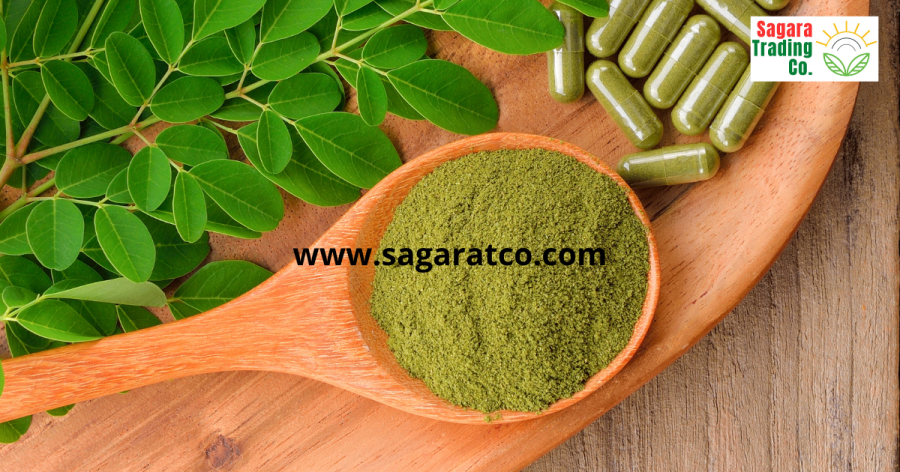
The global demand for natural, plant-based ingredients is transforming the health and wellness industry. Among the ingredients attracting increasing attention is moringa powder, made from the leaves of Moringa oleifera, a nutrient-rich plant often associated with the growing superfood market. For supplement manufacturers, moringa powder offers versatility, nutritional value, and a compelling natural ingredient story that can support the development of capsules, tablets, functional powders, drink mixes, and other wellness products.
However, choosing the right moringa powder for supplement manufacturing requires more than simply comparing prices. Manufacturers and international buyers need to evaluate quality, consistency, processing methods, safety, specifications, traceability, and supplier reliability before selecting a long-term source.
Why Moringa Powder Is Becoming Popular in the Supplement Industry
Moringa oleifera is a plant native to South Asia that is now cultivated in many tropical and subtropical regions, including Indonesia. Its leaves contain a variety of nutrients and naturally occurring plant compounds, including protein, dietary fiber, minerals, vitamins, and antioxidant-related phytochemicals.
This nutritional profile has helped position moringa as a popular ingredient within the broader natural health product and superfood market. Consumers are increasingly interested in recognizable plant-based ingredients and products that fit wellness-oriented lifestyles.
For supplement manufacturers, moringa powder can be incorporated into different formulations depending on the intended product concept. It may be used in:
-
Moringa capsules and tablets
-
Green superfood powders
-
Functional beverage mixes
-
Herbal and botanical blends
-
Nutrition powders
-
Plant-based wellness formulations
-
Smoothie and drink supplements
-
Multi-ingredient botanical products
Its versatility makes bulk moringa powder particularly attractive to manufacturers developing different product formats.
Key Quality Factors for Moringa Powder Manufacturers
1. Botanical Identity and Raw Material Quality
The first consideration is confirming the botanical identity of the raw material. Manufacturers should ensure that the product is genuinely derived from Moringa oleifera leaves and that the raw materials are properly identified and controlled.
The quality of moringa leaves can vary according to cultivar, soil conditions, climate, harvesting practices, agricultural inputs, and processing methods. Therefore, reliable sourcing begins with consistent agricultural practices and appropriate raw-material controls.
For B2B buyers, documentation such as product specifications, certificates of analysis, and traceability information can help verify the consistency of the ingredient.
2. Color, Aroma, and Appearance
Physical characteristics provide an important first indication of moringa powder quality.
Premium moringa leaf powder generally has a characteristic green appearance and a fresh botanical aroma. Significant changes in color may indicate differences in raw materials, drying conditions, storage, or processing.
For supplement manufacturers, consistent color and aroma are important because they can influence the appearance and sensory characteristics of finished products.
3. Moisture Content and Storage Stability
Moisture is another critical quality parameter. Excessive moisture can negatively affect the stability of powdered botanical ingredients and may increase the risk of microbial problems or physical deterioration during storage.
Manufacturers should therefore establish appropriate moisture specifications and ensure that moringa powder is packed and stored under suitable conditions.
Packaging should protect the product from excessive humidity, heat, light, and contamination during transportation and storage. This becomes particularly important when Indonesian moringa powder is exported to international markets.
4. Microbiological Safety
Because moringa powder is a natural agricultural product, microbiological testing is an important part of supplier evaluation.
Depending on the destination market and intended application, buyers may require testing for parameters such as total plate count, yeast and mold, and specified pathogens.
A professional moringa powder supplier in Indonesia should be able to provide appropriate quality documentation and support buyers in evaluating whether the product meets their internal specifications and destination-market requirements.
5. Heavy Metals and Contaminant Control
Supplement manufacturers also need to consider contaminants such as heavy metals, pesticide residues, and other substances relevant to their regulatory market.
Plants can absorb substances from their growing environment, making agricultural conditions and testing programs important components of ingredient safety.
For this reason, buyers should not evaluate moringa powder solely on appearance or price. A comprehensive quality-control program provides greater confidence when the ingredient will be used in commercial supplements.
6. Particle Size and Powder Consistency
Particle size can influence how moringa powder performs during manufacturing. Powder consistency can affect blending, filling, dispersion, handling, and the overall uniformity of a formulation.
Different supplement applications may require different particle-size specifications. For example, manufacturers producing capsules may have different processing requirements from companies producing powdered drink mixes.
Before placing a bulk order, buyers should communicate their technical requirements clearly with the supplier.
Processing Methods Matter
The way moringa leaves are harvested, dried, milled, and packaged can influence the final powder characteristics.
Careful drying is particularly important because excessive heat or unsuitable processing conditions can affect color and certain heat-sensitive compounds. On the other hand, insufficient drying may create storage and microbiological concerns.
Manufacturers should therefore ask suppliers about:
-
Harvesting practices
-
Leaf selection
-
Drying methods
-
Milling processes
-
Particle-size specifications
-
Packaging materials
-
Storage conditions
-
Quality-control procedures
-
Batch consistency
Understanding the complete moringa powder supply chain helps manufacturers make better purchasing decisions.
Organic Moringa Powder and Clean-Label Opportunities
The growing clean-label movement is another factor driving interest in botanical ingredients. Consumers increasingly want products containing recognizable ingredients and transparent sourcing stories.
For manufacturers targeting premium wellness markets, organic moringa powder may provide an additional positioning opportunity when appropriate certification and documentation are available.
However, buyers should distinguish between a supplier claiming that a product is “organic” and a product that has valid organic certification recognized in the relevant destination market. Certification requirements vary by country and market, so manufacturers should verify documentation before making organic claims.
Sustainability: Why Indonesian Moringa Has Global Potential
Sustainability is becoming increasingly important across the international food, nutrition, and supplement industries.
Moringa is well suited to tropical growing environments and can become part of diversified agricultural systems. Responsible cultivation and sourcing can create opportunities for agricultural communities while supporting demand for plant-based ingredients.
Indonesia's tropical climate and agricultural resources provide an interesting foundation for developing a competitive Indonesian moringa powder supply chain. For international buyers, sourcing from Indonesia can also provide access to a distinctive origin story while supporting the development of value-added agricultural products.
Sustainability, however, should be evaluated beyond marketing language. Buyers should consider traceability, farming practices, processing efficiency, packaging, supplier transparency, and relationships throughout the supply chain.
Why Choosing the Right Moringa Supplier Matters
Selecting a supplier is one of the most important decisions for supplement manufacturers. A low-cost ingredient may not provide the consistency required for long-term production.
A reliable supplier should ideally provide:
-
Clear product specifications
-
Consistent batches
-
Certificate of Analysis (COA)
-
Appropriate safety testing
-
Transparent communication
-
Export experience
-
Suitable packaging options
-
Traceability information
-
Flexible bulk-order support
For manufacturers, building a relationship with a dependable moringa powder exporter from Indonesia can simplify procurement and support consistent product development.
CV. Sagara Trading Corp: Your Indonesian Moringa Powder Supply Partner
CV. Sagara Trading Corp is one of the trusted suppliers of moringa powder in Indonesia, connecting Indonesian agricultural products with international buyers looking for natural, plant-based ingredients. With a focus on bulk raw materials and agricultural products, CV. Sagara Trading Corp supports importers, distributors, supplement manufacturers, and wellness brands seeking reliable Indonesian sourcing.
For companies exploring bulk moringa powder from Indonesia, choosing a supplier that understands product quality, communication, documentation, and international trade requirements can be an important step toward building a dependable supply chain.
You can learn more about CV. Sagara Trading Corp and its product portfolio through www.sagaratco.com.
The Future of Moringa Powder in Supplement Manufacturing
The future of moringa powder is closely connected to several major trends: plant-based nutrition, clean-label products, functional foods, natural wellness, and sustainable sourcing.
As consumers continue exploring botanical ingredients, supplement manufacturers have opportunities to develop innovative products using moringa in convenient formats. From capsules and tablets to green powders and functional beverages, the ingredient can fit into a wide range of modern product concepts.
Nevertheless, successful product development starts with quality raw materials. Manufacturers should evaluate botanical identity, moisture, microbiological safety, contaminants, particle size, processing methods, documentation, and supply consistency before selecting a moringa powder supplier.
Conclusion
Moringa powder for supplement manufacturers represents an attractive opportunity within the expanding global natural health and wellness industry. Its nutritional profile, versatility, plant-based origin, and sustainability potential make Moringa oleifera an increasingly interesting ingredient for modern supplement formulations.
For importers and manufacturers, however, quality should remain the priority. Choosing a reliable supplier with consistent specifications, appropriate testing, transparent documentation, and dependable export capabilities can help create a stronger and more resilient supply chain.
As global demand for natural ingredients continues to grow, high-quality Indonesian moringa powder has the potential to play an increasingly important role in the international supplement and wellness market.
Get in Touch
Looking for a reliable moringa supplier in Indonesia or interested in bulk purchases?
WhatsApp: +62 878 4405 6342
Email: sales@sagaratco.com
Instagram: @sagaratco
Facebook: Sagaratco
Website: www.sagaratco.cHashtag Suggestions
#MoringaPowder #MoringaSupplier #MoringaGlobalMarket #MoringaExports #NaturalSupplements #MoringaFromIndonesia #IndonesianMoringa #MoringaBusiness #OrganicMoringa #PlantBasedIngredients #WellnessIndustry #SustainableTrade #MoringaInnovation #IndonesiaExport #MoringaForTheWorld #CVSagaraTradingCorp #Sagaratco
Category:


