
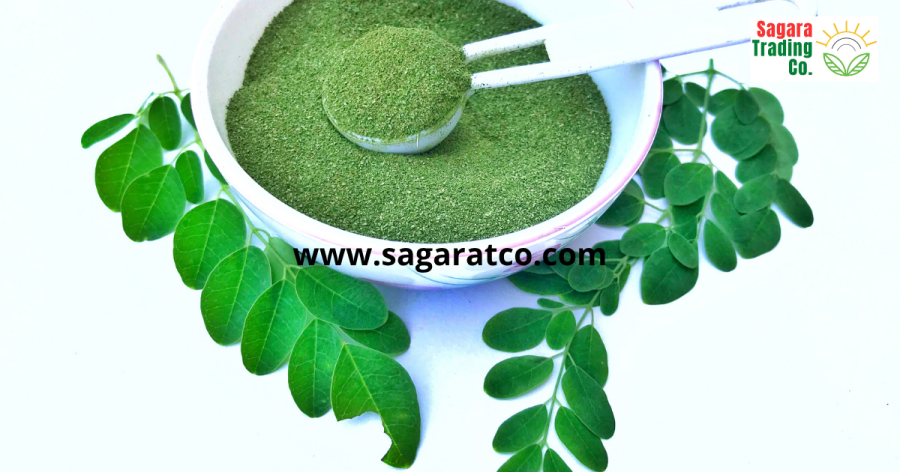
The bakery industry is evolving as consumers increasingly look for products that combine convenience, taste, and nutritional value. From high-protein snacks to whole-grain bread and functional cookies, manufacturers are exploring natural ingredients that can add nutritional appeal while supporting clean-label product positioning. One ingredient receiving growing international attention is moringa powder, produced from the leaves of Moringa oleifera.
Known as a nutrient-dense plant and often described as a “miracle tree,” moringa has become increasingly popular in the global superfood market. Its versatility makes it suitable not only for beverages and supplements but also for bakery applications. For manufacturers, moringa powder can provide an opportunity to develop innovative, plant-based, and health-focused bakery products.
What Makes Moringa Powder Suitable for Bakery Products?
Moringa leaves naturally contain protein, dietary fiber, minerals, vitamins, carotenoids, and other bioactive plant compounds. The precise nutritional profile depends on factors such as cultivation, harvesting, drying, milling, and storage.
When processed into a fine powder, moringa becomes convenient for incorporation into different food formulations. Unlike fresh leaves, powdered moringa has a longer practical storage life when properly packaged and stored, making it more suitable for commercial food manufacturing.
Its naturally green color can also create a distinctive visual identity for products marketed around plant-based nutrition and wellness.
1. Moringa in Bread and Bakery Loaves
One of the most interesting applications is moringa powder in bread. Manufacturers can incorporate small quantities of moringa into wheat-based, multigrain, or alternative-flour bread formulations.
Moringa can contribute a green hue and subtle herbal character. For consumer-friendly products, formulators should carefully balance the amount used with other ingredients because higher concentrations may produce a stronger botanical flavor.
Moringa bread can be positioned as a modern alternative for consumers interested in:
-
Plant-based nutrition
-
Whole-food ingredients
-
Functional bakery products
-
Green and vegetable-based foods
-
Clean-label formulations
2. Health-Focused Cookies and Biscuits
Cookies and biscuits are another promising category. Traditional cookies are often associated primarily with indulgence, but manufacturers are increasingly developing products containing grains, seeds, nuts, fruits, and botanical ingredients.
Moringa powder can be combined with ingredients such as oats, coconut, sesame, almond, cacao, banana, or dates. These combinations can help create more distinctive flavor profiles while supporting a nutritional positioning.
For commercial development, manufacturers should conduct sensory testing to determine the optimal moringa inclusion rate for taste, texture, aroma, and appearance.
3. Moringa Muffins and Cakes
Moringa can also be incorporated into muffins, snack cakes, and other baked goods. Its green color can make products visually distinctive, especially when paired with naturally complementary ingredients.
For example, manufacturers might explore combinations such as:
-
Moringa and banana
-
Moringa and coconut
-
Moringa and lemon
-
Moringa and cacao
-
Moringa and matcha
-
Moringa and pineapple
These combinations can help balance moringa's botanical character and create products that appeal to consumers seeking new flavors.
Understanding Moringa's Effect on Formulation
Adding a powdered botanical ingredient to a bakery recipe requires more than simply mixing it into the existing formula. Moringa can influence color, flavor, moisture balance, texture, and consumer acceptance.
Manufacturers should therefore conduct formulation trials before commercial production. Variables such as flour type, hydration, fat content, sugar level, baking temperature, and moringa dosage can affect the final product.
Another important consideration is heat exposure. Some nutrients and plant compounds can be sensitive to processing conditions. Manufacturers should therefore avoid assuming that the nutritional profile of raw moringa powder will remain identical after baking.
Laboratory testing can help manufacturers determine the nutritional composition of the finished product and make appropriate product claims.
Moringa and the Clean-Label Bakery Trend
The clean-label movement continues to influence food product development. Consumers increasingly want recognizable ingredients and simpler ingredient lists.
Moringa powder can fit naturally into formulations that emphasize plant-based ingredients, natural nutrition, and botanical food sources. However, manufacturers should distinguish between a clean ingredient list and a health claim. Any statement about nutritional or health benefits should comply with the regulations of the target market.
For international bakery brands, this distinction is particularly important because labeling requirements differ between countries.
Why Quality Matters for Bakery Manufacturers
Commercial bakery manufacturers need consistent raw materials. When sourcing moringa powder, buyers should evaluate:
Botanical Identity
Confirm that the ingredient is derived from Moringa oleifera leaves.
Microbiological Quality
A reliable supplier should provide appropriate microbiological testing and product specifications.
Moisture Content
Proper moisture control is important for powder stability and storage.
Contaminant Testing
Depending on the destination market, buyers may require testing for pesticides, heavy metals, and other contaminants.
Color and Flavor
Consistency is important when producing bakery products at commercial scale.
Particle Size
A consistent and appropriately fine powder can help improve distribution throughout a dough or batter.
Documentation and Traceability
Importers should request a Certificate of Analysis (COA) and relevant documentation for each batch where appropriate.
These factors help manufacturers maintain consistent quality from product development through large-scale production.
Indonesian Moringa for Global Bakery Innovation
Indonesia has strong potential as a source of moringa because of its tropical agricultural environment and growing interest in value-added botanical ingredients. Indonesian moringa can serve international food manufacturers developing natural ingredients for bakery, beverage, supplement, and functional-food applications.
CV. Sagara Trading Corp is one of the Suppliers of moringa powder in Indonesia, offering Indonesian moringa for businesses seeking plant-based ingredients for international food markets. Through reliable sourcing and export-oriented services, CV. Sagara Trading Corp can support importers, distributors, and manufacturers interested in incorporating Indonesian moringa powder into innovative bakery formulations.
For international buyers, sourcing directly from Indonesia can also provide an opportunity to establish closer relationships with suppliers and better understand product specifications, packaging requirements, quantities, and export processes.
The Future of Moringa in Bakery Products
The future of moringa powder in bakery products is closely connected to the broader growth of functional foods and plant-based nutrition. Consumers are no longer looking only for traditional bread, cookies, and cakes; they are increasingly interested in products with added nutritional value and unique ingredient stories.
Moringa provides manufacturers with an opportunity to experiment with green bakery concepts, wellness snacks, functional breakfast products, and innovative plant-based recipes.
The key to success is not simply adding moringa to a recipe. Successful products will combine good taste, attractive texture, nutritional transparency, consistent quality, and responsible sourcing.
Conclusion
Moringa powder offers bakery manufacturers a versatile ingredient for developing health-focused and plant-based products. From bread and muffins to cookies, biscuits, and snack bars, Moringa oleifera can bring a distinctive green color, botanical character, and nutritional appeal to modern bakery formulations.
As demand for functional and clean-label foods continues to expand globally, high-quality Indonesian moringa powder can become a valuable ingredient for manufacturers looking to innovate while responding to changing consumer expectations.
For buyers, the most important step is choosing a reliable supplier capable of providing consistent quality, appropriate documentation, and dependable supply. With the right formulation and sourcing strategy, moringa can transform traditional bakery concepts into fresh, contemporary products designed for the growing global wellness market.
Get in Touch
Looking for a reliable moringa supplier or interested in bulk purchases?
WhatsApp: +62 878 4405 6342
Email: sales@sagaratco.com
Instagram: @sagaratco
Facebook: Sagaratco
Website: www.sagaratco.com
#MoringaGlobalMarket #MoringaExports #SuperfoodRevolution #SustainableTrade #OrganicMoringa #GlobalWellness #HealthyLiving #GreenEconomy #MoringaLeafPowder #NaturalSupplements #HerbalNutrition #IndonesiaExport #MoringaBusiness #PlantBasedPower #EcoFriendlyFarming #NaturalProducts #MoringaFromIndonesia #TrustedSupplier #CVSagaraTradingCorp #MoringaForTheWorld #SustainabilityMatters #WellnessIndustry #AgriculturalExport #Sagaratco #MoringaInnovation #Moringa #MiracleTree #OrganicSuperfood #NaturalHealth #SustainableFarming #IndonesianMoringa
Category:


