
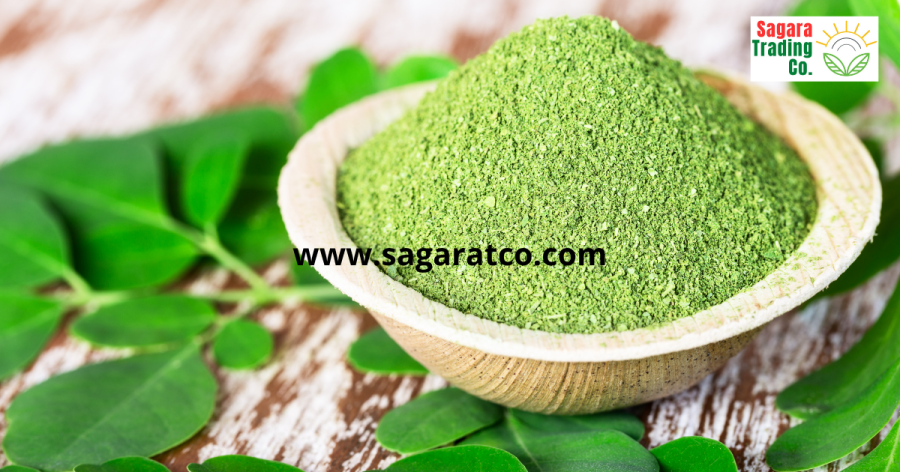
Moringa powder, made from the leaves of Moringa oleifera, is gaining attention in the global food, wellness, and plant-based nutrition industries. Known for its nutritional value and versatility, moringa leaf powder is used in smoothies, functional beverages, dietary supplements, herbal tea blends, nutrition bars, and other food products.
As international demand for natural ingredients grows, buyers must look beyond appearance and price when selecting a moringa powder supplier in Indonesia. Laboratory testing is an essential part of evaluating product safety, consistency, and suitability for different markets. For importers, distributors, and food manufacturers, understanding the essential parameters of moringa powder lab testing helps reduce sourcing risks and supports more informed purchasing decisions.
Why Is Moringa Powder Lab Testing Important?
Although moringa leaves naturally contain nutrients such as plant protein, minerals, fiber, and various bioactive compounds, their composition can vary depending on growing conditions, harvesting, drying, and storage.
Poor handling or inadequate processing may also introduce microbiological contamination, excessive moisture, pesticide residues, or heavy metals. These issues can affect product safety, shelf life, and compliance with destination-market requirements.
For international buyers, laboratory testing provides documented evidence that a product meets agreed specifications. It also helps businesses evaluate suppliers, maintain quality control, and build confidence in their supply chains.
When purchasing bulk moringa powder, buyers should request relevant test reports and a Certificate of Analysis (COA) for the applicable product batch.
Essential Parameters for Moringa Powder Lab Testing
1. Microbiological Testing
Microbiological testing helps determine whether moringa powder meets applicable microbial safety criteria. Testing may include:
-
Total aerobic microbial count.
-
Yeast and mold counts.
-
Salmonella.
-
Escherichia coli (E. coli).
-
Other microorganisms when required by the product specification or destination market.
The required limits depend on the intended application and applicable regulations. Products used in ready-to-consume foods or supplements may have specific microbiological requirements.
Buyers should ask suppliers about hygienic processing, contamination-prevention procedures, and whether testing is performed by a qualified laboratory.
2. Heavy Metal Analysis
Plants can absorb certain elements from soil, water, and their surrounding environment. Therefore, heavy metal analysis is an important consideration when evaluating moringa powder quality.
Depending on the risk assessment and market requirements, testing may cover lead, cadmium, arsenic, and mercury.
International buyers should verify that test methods, reporting limits, and acceptance criteria are appropriate for the product and intended market. Heavy metal testing can help identify potential contamination risks and support compliance with relevant food safety requirements.
3. Pesticide Residue Testing
Moringa cultivation practices can influence the possibility of pesticide residues in the final product. A pesticide residue analysis can help buyers assess whether the powder complies with applicable maximum residue limits.
The testing scope should reflect the origin, agricultural practices, product specifications, and destination-country regulations. Buyers seeking organic moringa powder should also verify the validity and scope of organic certification rather than relying solely on marketing claims.
4. Moisture Content and Water Activity
Moisture content is a key quality parameter because excessive moisture can contribute to deterioration, caking, and microbial growth under unsuitable storage conditions.
Water activity may provide additional information about the availability of water that microorganisms can use. These measurements are related but are not interchangeable.
For bulk moringa powder, buyers should establish clear specifications for moisture and, where appropriate, water activity. Suitable moisture-barrier packaging, controlled storage, and proper shipping conditions also help preserve quality.
5. Nutritional and Chemical Composition
Nutritional testing can help manufacturers assess whether moringa powder is suitable for their intended formulation and labeling requirements.
Depending on the application, analyses may include:
-
Protein, fat, and dietary fiber.
-
Selected vitamins and minerals.
-
Ash content.
-
Chlorophyll or other selected compounds when relevant to the product specification.
Nutrient levels can vary between batches, so buyers should avoid assuming that every moringa powder product has an identical nutritional profile. Any nutrition or health claims should be supported by appropriate evidence and comply with the regulations of the target market.
6. Physical Characteristics and Product Consistency
Physical inspection remains useful alongside laboratory testing. Buyers may assess color, aroma, texture, particle size, and the presence of foreign matter.
A consistent green color and characteristic plant aroma may help evaluate product uniformity, but these characteristics alone cannot establish microbiological safety or confirm the absence of chemical contaminants.
For manufacturers producing beverages, noodles, bakery products, or supplements, particle size and solubility-related behavior may also influence processing performance.
Understanding the Certificate of Analysis (COA)
A Certificate of Analysis is a document that reports analytical results for a product or batch. When reviewing a COA for Indonesian moringa powder, international buyers should check:
-
Product name and batch or lot number.
-
Sampling and testing dates, where applicable.
-
Parameters tested and corresponding results.
-
Units of measurement and applicable acceptance limits.
-
Test methods and laboratory identification.
-
Relevant approval or verification details.
The COA should correspond to the actual product being purchased. Buyers should also confirm whether the laboratory is appropriately qualified for the tests performed and whether additional testing is necessary under their own quality assurance procedures.
A COA is an important quality document, but it does not automatically guarantee compliance with every country's regulations.
How International Buyers Can Evaluate a Moringa Powder Supplier
Selecting a supplier involves more than comparing prices. Importers and distributors should review product specifications, batch consistency, traceability, packaging, documentation, communication, and the supplier's ability to meet order requirements.
Before placing a bulk order, consider asking:
-
What are the product's microbiological, heavy metal, pesticide residue, and moisture specifications?
-
Can the supplier provide a relevant COA and supporting test reports?
-
How are raw materials processed, packaged, and stored?
-
Can the supplier provide batch identification and traceability information?
-
Can the product meet the applicable requirements of the destination market?
These questions help buyers establish clear expectations and build a more reliable sourcing relationship.
CV. Sagara Trading Corp: Moringa Powder Supplier in Indonesia
CV. Sagara Trading Corp is one of the suppliers of moringa powder in Indonesia, serving buyers interested in Indonesian agricultural ingredients and bulk raw materials. Through its agricultural product sourcing and trading activities, the company connects Indonesian products with businesses seeking ingredients for international markets.
For importers, distributors, and food manufacturers, working with a supplier that understands bulk ingredient requirements can support sourcing discussions, product specification reviews, and purchasing coordination. Buyers should confirm current product availability, minimum order quantities, documentation, testing requirements, and shipping arrangements directly with the company.
CV. Sagara Trading Corp also supplies agricultural product categories beyond moringa, reflecting its broader role in the Indonesian agricultural ingredient trade. Its website provides additional information about the company, its products, and its business activities.
Learn more about CV. Sagara Trading Corp and its Indonesian agricultural ingredients through the official website: www.sagaratco.com.
Quality, Sustainability, and the Future of Indonesian Moringa Powder
Sustainable sourcing and quality assurance are increasingly relevant to global food and wellness businesses. Responsible agricultural practices, traceable sourcing, appropriate processing, and suitable packaging can help support a more transparent ingredient supply chain.
For Indonesian moringa powder, combining responsible sourcing with clear specifications and appropriate laboratory testing can help suppliers and buyers develop long-term business relationships. However, sustainability and quality claims should be supported by relevant documentation rather than assumptions based on product origin alone.
As interest in plant-based ingredients continues, businesses that prioritize reliable documentation and consistent quality will be better equipped to evaluate opportunities in the international moringa market.
Conclusion
Moringa powder lab testing is an important consideration for international buyers seeking safe, consistent, and suitable plant-based ingredients. Microbiological testing, heavy metal analysis, pesticide residue screening, moisture measurement, nutritional analysis, and physical evaluation each provide different information about product quality.
By reviewing laboratory reports, verifying specifications, and asking detailed questions before purchasing, importers and manufacturers can make more informed sourcing decisions.
For businesses exploring bulk moringa powder from Indonesia, CV. Sagara Trading Corp is a supplier to contact for product information and sourcing discussions. Clear communication, suitable documentation, and agreed quality requirements can help establish a dependable foundation for international trade.
Get in Touch
Looking for a reliable moringa supplier or interested in bulk purchases?
-
WhatsApp: +62 878 4405 6342
-
Email: sales@sagaratco.com
-
Instagram: @sagaratco
-
Facebook: Sagaratco
-
Website: www.sagaratco.com
Contact CV. Sagara Trading Corp to discuss moringa powder availability, bulk purchasing requirements, product specifications, and export inquiries.
#CVSagaraTradingCorp #MoringaPowder #MoringaSupplierIndonesia #IndonesianMoringa #MoringaExports #MoringaGlobalMarket #MoringaLeafPowder #MoringaQuality #LabTesting #CertificateOfAnalysis #FoodSafety #BulkIngredients #PlantBasedNutrition #SustainableTrade #IndonesiaExport #AgriculturalExport #TrustedSupplier #Sagaratco
Category:


