
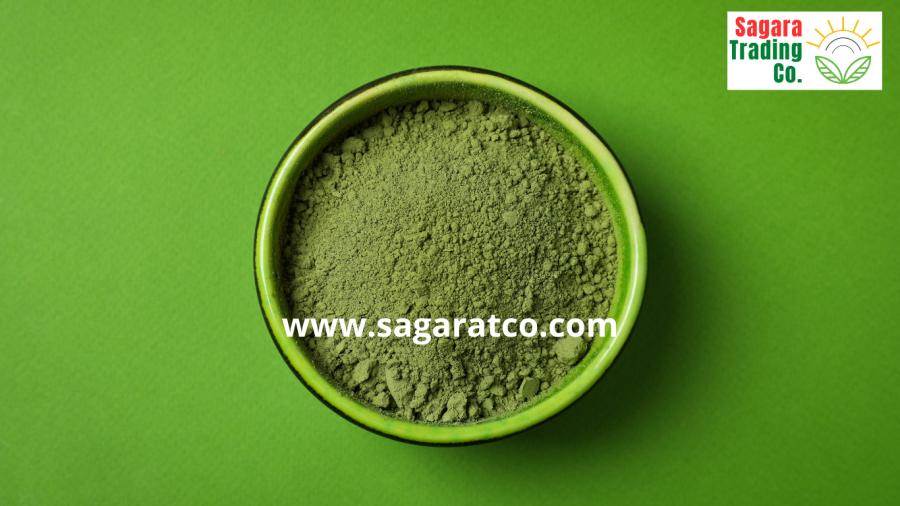
Moringa powder has become an increasingly popular ingredient in the global superfood, functional food, dietary supplement, and wellness industries. Produced from the leaves of Moringa oleifera, moringa powder is valued for its nutritional composition, versatility, and potential role in plant-based nutrition. As demand grows across international markets, buyers are becoming more selective about moringa powder quality standards, food safety, traceability, and supplier reliability.
For importers and distributors, understanding these standards is essential. A high-quality moringa powder is not determined by appearance alone. Factors such as raw material sourcing, processing, moisture content, microbiological safety, contaminants, packaging, documentation, and batch consistency can all influence the commercial value of the product.
What Defines High-Quality Moringa Powder?
High-quality moringa powder starts with properly cultivated and handled Moringa oleifera leaves. Good agricultural and harvesting practices can help reduce contamination risks before the leaves enter processing.
International buyers should establish clear specifications covering important characteristics such as:
-
Botanical identity and plant part used
-
Color and characteristic aroma
-
Moisture content
-
Particle size and mesh specification
-
Microbiological parameters
-
Heavy metal levels
-
Pesticide residues
-
Foreign matter
-
Storage stability
-
Packaging specifications
-
Traceability and batch identification
The exact limits and testing requirements may differ depending on the destination country, intended use, and applicable regulations. Therefore, buyers should always confirm requirements with their local regulatory authorities and import partners.
1. Botanical Identity and Raw Material Traceability
One of the first quality considerations is confirming that the product is genuinely derived from Moringa oleifera. Reliable suppliers should be able to provide information about the origin of the raw material and production process.
Traceability is particularly important for international trade because it allows buyers to understand where the product originated and how it was processed. A transparent supply chain can also make it easier to investigate quality issues if they arise.
2. Moisture Content and Shelf Stability
Moisture is a critical quality parameter for powdered botanical products. Excessive moisture can contribute to microbial growth, clumping, deterioration, and reduced shelf stability.
International buyers should request laboratory test results showing moisture content and establish an agreed specification before purchasing in bulk. Proper drying, packaging, and storage conditions work together to protect the quality of moringa powder throughout transportation and warehousing.
3. Microbiological Safety
Microbiological testing is an important part of quality assurance for moringa powder intended for food, beverage, and supplement applications.
Depending on the market and product specification, testing may include parameters such as total plate count, yeast and mold, coliforms, E. coli, and Salmonella. Requirements can vary by country and application, so importers should ensure that the testing program corresponds to their destination-market requirements.
A Certificate of Analysis (COA) from a qualified laboratory can provide useful evidence that a specific production batch meets the agreed specifications.
4. Heavy Metals and Environmental Contaminants
Because plants can absorb elements from their growing environment, heavy metal testing is another important consideration for international buyers.
Testing may include elements such as lead, cadmium, arsenic, and mercury, depending on the applicable standards. Buyers should not rely solely on verbal assurances that a product is "natural" or "organic." Instead, they should request appropriate laboratory documentation and verify that results meet the limits required for their target market.
5. Pesticide Residue Testing
For conventional and organic moringa products alike, pesticide residue management deserves careful attention. Buyers should understand how the crop is cultivated and whether pesticide-residue testing is included in the supplier's quality-control program.
For products marketed as organic, certification must come from an appropriate recognized certification body. The term "organic" should not be used simply because a supplier states that no synthetic chemicals were intentionally applied.
6. Color, Aroma, and Appearance
Physical characteristics are also useful indicators of product consistency. Premium moringa powder commonly has a characteristic green appearance and fresh herbal aroma.
However, color alone should never be considered proof of nutritional or microbiological quality. Buyers should evaluate sensory characteristics alongside laboratory results, processing information, and documented specifications.
7. Particle Size and Processing Consistency
Different applications may require different particle sizes. Smoothie manufacturers, beverage companies, supplement producers, and food manufacturers may have specific requirements for powder fineness and dispersion.
International buyers should clearly communicate their preferred mesh size or particle-size specification before production. Consistent milling can improve formulation performance and reduce variability between batches.
8. Packaging and Storage Standards
Quality can deteriorate after production if moringa powder is poorly packaged or stored. Exposure to moisture, oxygen, heat, light, and contamination can affect product characteristics over time.
Export packaging should therefore be designed to protect the powder during transportation and storage. Buyers should also request recommended storage conditions, shelf-life information, production dates, lot numbers, and expiration or best-before information where applicable.
9. Documentation Every International Buyer Should Request
A professional supplier should be able to provide documentation appropriate to the transaction and destination market. Depending on the product and buyer's requirements, this may include:
-
Certificate of Analysis (COA)
-
Product specification sheet
-
Microbiological test results
-
Heavy metal test results
-
Pesticide residue analysis
-
Certificate of origin
-
Organic certification, when applicable
-
Packaging and labeling information
-
Batch or lot identification
-
Commercial export documentation
Documentation helps importers evaluate supplier credibility and supports better traceability throughout the international supply chain.
Why Supplier Selection Matters
Choosing a moringa powder supplier is about more than finding the lowest price. International buyers need consistency, transparent communication, appropriate quality controls, reliable documentation, and the ability to meet agreed specifications.
A strong supplier relationship can help food manufacturers and distributors maintain consistent product quality while reducing potential risks associated with international sourcing.
CV. Sagara Trading Corp: Indonesian Moringa Powder Supplier for Global Buyers
CV. Sagara Trading Corp is one of the suppliers of moringa powder in Indonesia, connecting Indonesia's agricultural resources with growing international demand for natural and plant-based ingredients. The company serves buyers interested in Indonesian moringa powder for food, beverage, wellness, and other commercial applications.
For importers looking for a moringa powder supplier in Indonesia, CV. Sagara Trading Corp aims to provide a professional sourcing experience focused on product specifications, communication, export readiness, and long-term business relationships. Indonesian-origin moringa can offer an attractive ingredient opportunity for companies developing products around natural nutrition and the growing global superfood market.
Building a Reliable Moringa Supply Chain
The global moringa industry is evolving alongside broader trends in clean-label foods, functional nutrition, plant-based products, and sustainable sourcing. As these markets mature, quality standards will become increasingly important.
International buyers who establish clear specifications, request appropriate laboratory testing, verify documentation, and maintain open communication with suppliers are better positioned to build reliable long-term supply chains.
Ultimately, premium moringa powder is defined by more than its green color or nutritional reputation. Consistent quality, food safety, traceability, responsible processing, and dependable documentation are the foundations of successful international moringa trade.
Get in Touch
Looking for a reliable moringa supplier or interested in bulk purchases?
WhatsApp: +62 878 4405 6342
Email: sales@sagaratco.com
Instagram: @sagaratco
Facebook: Sagaratco
Website: www.sagaratco.co
#MoringaGlobalMarket #MoringaExports #SuperfoodRevolution #SustainableTrade #OrganicMoringa #GlobalWellness #HealthyLiving #GreenEconomy #MoringaLeafPowder #NaturalSupplements #HerbalNutrition #IndonesiaExport #MoringaBusiness #PlantBasedPower #EcoFriendlyFarming #NaturalProducts #MoringaFromIndonesia #TrustedSupplier #CVSagaraTradingCorp #MoringaForTheWorld #SustainabilityMatters #WellnessIndustry #AgriculturalExport #Sagaratco #MoringaInnovation #Moringa #MiracleTree #NaturalHealth #SustainableFarming #IndonesianMoringa
Category:


