
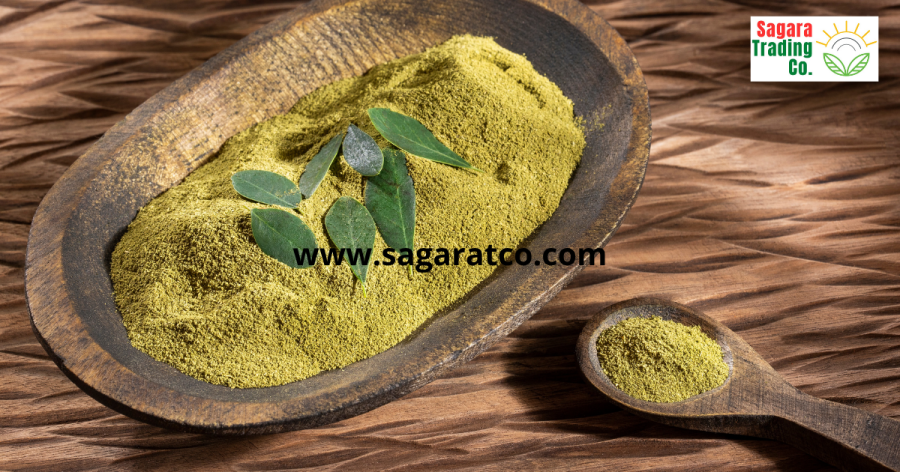
Moringa (Moringa oleifera), often known as the “miracle tree,” has gained international attention as a versatile plant-based ingredient. Its leaves naturally contain nutrients such as minerals, plant protein, and antioxidant compounds, making moringa leaf powder an ingredient of interest in the food, beverage, and wellness industries.
Today, moringa powder is used in smoothies, herbal teas, functional beverages, plant-based formulations, and dietary supplements. As global demand for natural ingredients grows, maintaining product quality throughout storage, transportation, and distribution has become increasingly important.
One of the most common questions among importers, distributors, manufacturers, and wellness brands is: How long does moringa powder last, and how can its quality be preserved?
Understanding moringa powder shelf life helps businesses manage inventory, reduce avoidable product losses, and deliver ingredients that meet customer expectations. Proper storage practices are especially important for bulk buyers handling long-distance shipments and extended supply chains.
1. What Is the Shelf Life of Moringa Powder?
The shelf life of moringa powder is the period during which the product is expected to maintain its required quality under specified storage conditions and packaging.
There is no single expiration period that applies to every moringa powder product. Shelf life depends on several factors, including the quality of the original leaves, drying methods, moisture content, processing conditions, packaging materials, and storage environment.
Some commercially processed moringa powders may carry a shelf life of approximately 12–24 months, but this is only a general market reference, not a guarantee for every product. Buyers should always follow the manufacturer's declared shelf life, product specifications, and supporting stability information.
For importers and distributors, confirming the production date, best-before date, batch number, and recommended storage conditions is essential before purchasing moringa powder in bulk.
2. Factors That Affect Moringa Powder Shelf Life
Moisture and Humidity
Moisture is one of the most important factors affecting powdered botanical ingredients. Moringa powder can absorb moisture from the surrounding environment, particularly in humid climates or when packaging is left open.
Excess moisture may cause clumping, changes in texture, and conditions that encourage microbial growth. Proper drying, moisture-resistant packaging, and controlled storage help reduce these risks.
Exposure to Oxygen
Oxygen can contribute to the oxidation of certain naturally occurring compounds in moringa powder. Over time, oxidation may affect its color, aroma, and overall quality.
Using packaging with suitable oxygen-barrier properties and minimizing unnecessary exposure to air can help preserve product characteristics.
Light and Temperature
Direct sunlight and excessive heat may accelerate quality deterioration. Moringa powder is best stored according to the supplier's specifications, generally in a cool, dry place away from direct sunlight and heat sources.
Stable storage temperatures are particularly important for exporters and distributors managing inventory over several months.
Initial Product Quality
Shelf life also depends on how the moringa leaves are harvested, dried, processed, and packed. Good handling practices and appropriate quality controls before packaging provide a stronger foundation for maintaining quality during storage.
3. Best Storage Practices for Moringa Powder
To help preserve moringa powder quality, businesses should establish clear storage procedures throughout the supply chain.
Store in a cool, dry environment. Keep products away from direct sunlight, hot equipment, damp floors, and areas with significant temperature fluctuations.
Keep packaging tightly sealed. Once a package has been opened, reseal it promptly using a clean, food-safe closure. For bulk quantities, consider suitable resealable liners or airtight secondary containers.
Use moisture-resistant packaging. Packaging should be appropriate for food ingredients and offer sufficient protection against moisture, light, and oxygen according to the product's needs. The correct material depends on the intended shelf life, transport conditions, and distribution environment.
Protect the product from contamination. Use clean, dry scoops and handling equipment. Keep moringa powder away from strong odors, chemicals, pests, and other materials that could compromise its quality.
Follow first-expired, first-out inventory management. Distributors and warehouses should prioritize stock with the earliest best-before date, while recording batch numbers and receipt dates. This approach helps improve inventory rotation and reduce unnecessary waste.
Avoid repeated opening and closing. Frequent exposure to humid air can introduce moisture into the package. Where practical, divide large quantities into suitable smaller containers while maintaining appropriate hygiene and traceability.
4. How to Recognize Possible Quality Deterioration
Regular inspection helps buyers identify changes that may require further investigation. Warning signs can include:
-
Noticeable changes in the product's typical green color.
-
Unusual or unpleasant odors.
-
Unexpected moisture, persistent clumping, or a damp texture.
-
Visible foreign matter, insects, or signs of packaging damage.
-
Evidence of mold or other suspected contamination.
These signs do not all have the same cause, and appearance alone cannot confirm product safety. If mold, unusual odors, damaged packaging, or other contamination concerns arise, isolate the affected lot and seek appropriate supplier or laboratory guidance. Do not taste a product to determine whether it is safe.
For commercial buyers, periodic inspection should be combined with batch records, product specifications, and laboratory testing when required.
5. Packaging and Transportation: Important Considerations for Bulk Buyers
For international trade, moringa powder may travel through multiple handling points before reaching the final customer. Packaging and logistics therefore play an important role in maintaining quality.
Importers should ask suppliers about the packaging material, inner liner, net weight, sealing method, and recommended storage conditions. They should also confirm whether the packaging is suitable for the expected transit time and local climate.
During transportation, products should be protected from rain, condensation, excessive heat, and damaged cartons. Warehouses should be clean, dry, and suitable for storing food ingredients.
Buyers may also request a product specification sheet, Certificate of Analysis (COA), batch identification details, and the supplier's declared shelf life. Where long-term storage is planned, ask whether the stated shelf life is supported by relevant stability or quality-monitoring information.
These steps help businesses make informed purchasing decisions and support consistent product handling from origin to destination.
6. Moringa Powder and the Growing Demand for Sustainable Ingredients
The growing interest in moringa reflects broader consumer demand for plant-based ingredients, natural food products, and diversified sources of nutrition. Moringa leaf powder can be incorporated into different product categories, offering manufacturers flexibility in developing beverages, food mixes, and wellness-oriented formulations.
Moringa also presents opportunities for agricultural supply chains in tropical regions, including Indonesia. However, sustainability depends on responsible cultivation, efficient processing, appropriate land management, and transparent sourcing practices rather than the plant alone.
Good storage practices support sustainability by helping reduce preventable spoilage and product waste. For importers and distributors, careful inventory planning, suitable packaging, and responsible stock rotation can improve resource efficiency throughout the supply chain.
7. CV Sagara Trading Corp: Your Indonesian Moringa Powder Supplier
For international businesses seeking Indonesian agricultural ingredients, choosing a supplier that understands product handling, communication, and export requirements is an important part of the sourcing process.
CV Sagara Trading Corp is one of the suppliers of moringa powder in Indonesia, serving as a point of contact for businesses interested in sourcing Indonesian moringa products for international markets. We understand that B2B buyers need more than a product name: they also need clear specifications, appropriate packaging information, transparent communication, and practical coordination throughout the purchasing process.
Whether you are an importer, distributor, food manufacturer, or wellness brand, CV Sagara Trading Corp welcomes inquiries about moringa powder for bulk purchasing and export opportunities.
Buyers are encouraged to discuss their required specifications, packaging preferences, target market, expected shelf life, and storage needs before confirming an order. Product availability, certification status, and supporting quality documents should be verified directly with the supplier according to the buyer's requirements.
Conclusion: Preserve Moringa Powder Quality from Storage to Delivery
Moringa powder is a versatile botanical ingredient with growing applications in the global food, beverage, and wellness industries. However, maintaining its quality requires attention to moisture, temperature, light, oxygen exposure, packaging, and inventory management.
For importers and distributors, understanding moringa powder shelf life is an essential part of responsible sourcing. Requesting clear product specifications, following recommended storage conditions, monitoring batch information, and managing inventory carefully can help preserve product quality and reduce avoidable waste.
For businesses exploring Indonesian moringa powder, CV Sagara Trading Corp welcomes professional sourcing inquiries and discussions about bulk purchasing requirements. Careful product handling and transparent communication can help support more reliable relationships between suppliers and international buyers.
Get in Touch CV. Sagara Trading Corp
Looking for a reliable moringa supplier or interested in bulk purchases? Contact CV Sagara Trading Corp to discuss your sourcing needs, product specifications, and export requirements.
-
WhatsApp: +62 878 4405 6342
-
Email: sales@sagaratco.com
-
Instagram: @sagaratco
-
Facebook: Sagaratco
-
Website: https://www.sagaratco.com/
#MoringaPowder #MoringaShelfLife #MoringaStorage #MoringaLeafPowder #MoringaGlobalMarket #MoringaExports #OrganicMoringa #MoringaSupplier #IndonesianMoringa #MoringaFromIndonesia #NaturalIngredients #PlantBasedNutrition #HerbalNutrition #SuperfoodIngredients #SustainableTrade #SustainableSourcing #FoodQuality #FoodSafety #BulkIngredients #WellnessIndustry #AgriculturalExport #CVSagaraTradingCorp #Sagaratco
Category:


