
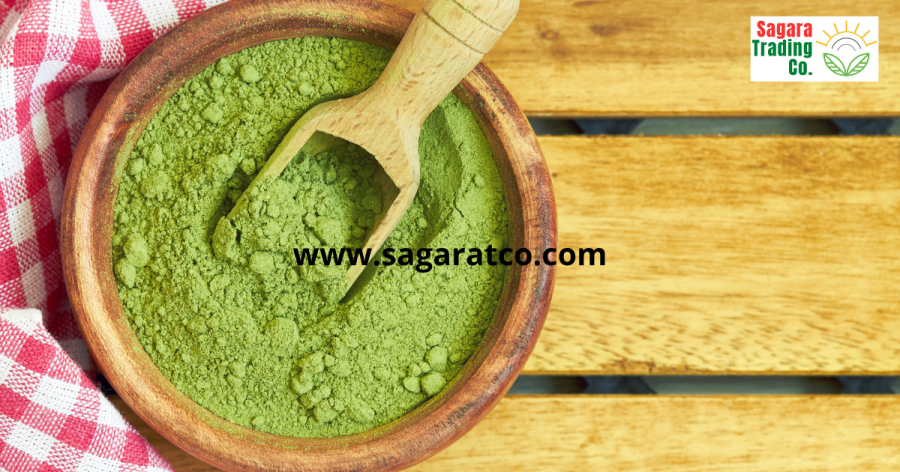
As global demand for plant-based, natural, and functional food ingredients continues to expand, moringa powder (Moringa oleifera) is gaining attention among food manufacturers, supplement companies, distributors, wellness brands, and international ingredient buyers. Its versatility, botanical origin, and nutritional profile make it an increasingly interesting ingredient for beverages, nutrition products, snacks, supplements, and other plant-based formulations.
For companies purchasing moringa powder regularly, however, finding a supplier is only the beginning. Long-term B2B sourcing requires a clear understanding of product specifications, pricing, quality assurance, delivery schedules, documentation, and commercial responsibilities.
A well-structured moringa powder supply contract can help both buyers and suppliers establish predictable expectations and build a more reliable long-term supply relationship.
What Is a Moringa Powder Supply Contract?
A supply contract is a commercial agreement between a buyer and supplier that defines the terms under which products will be purchased and delivered.
For international buyers sourcing bulk moringa powder, the agreement may cover:
-
Product specifications
-
Order quantities
-
Minimum order quantity (MOQ)
-
Pricing and payment terms
-
Packaging requirements
-
Delivery schedules
-
Lead times
-
Quality documentation
-
Certificate of Analysis (COA)
-
Inspection procedures
-
Non-conformance procedures
-
Traceability requirements
-
Shipping and export responsibilities
The objective is to reduce uncertainty and create a clear framework for repeated transactions.
1. Clearly Define Moringa Powder Specifications
One of the most important parts of a long-term supply contract is the product specification.
A buyer should clearly define the characteristics expected from the Indonesian moringa powder, including where applicable:
-
Botanical identity
-
Appearance and color
-
Aroma
-
Particle size
-
Moisture
-
Microbiological requirements
-
Heavy-metal limits
-
Pesticide requirements
-
Packaging specifications
-
Shelf-life expectations
Specifications should be realistic, measurable, and mutually agreed upon before commercial shipments begin.
For manufacturers using moringa powder as a food ingredient, consistent specifications can be particularly important because changes in raw-material characteristics may affect formulation, flavor, color, or processing performance.
2. Establish Quality Assurance and COA Requirements
Long-term buyers should determine how product quality will be verified.
A Moringa Powder COA (Certificate of Analysis) can provide batch-specific analytical information. Depending on the agreed specification, it may include microbiological, moisture, contaminant, or other quality parameters.
The contract should clarify:
-
Which parameters must be tested
-
Who performs the testing
-
When the COA is issued
-
Whether third-party laboratory testing is required
-
How non-conforming batches are handled
-
Whether retained samples are maintained
This helps prevent misunderstandings when the buyer receives future shipments.
3. Agree on Quantity, MOQ, and Forecasting
Long-term B2B relationships often require better demand planning than one-time purchases.
A contract may define an estimated annual volume while allowing individual purchase orders to determine the actual shipment quantity.
For example, a buyer could provide a rolling forecast while the supplier confirms production and delivery capacity.
This approach can be useful for businesses purchasing bulk moringa powder from Indonesia, particularly when demand changes seasonally or when the finished product has a growing market.
4. Define Pricing and Commercial Terms
Price is naturally one of the most important considerations in a long-term supply agreement.
However, buyers should look beyond the initial quoted price and understand what influences the total landed cost.
Contract discussions may cover:
-
Price per kilogram
-
Currency
-
Payment terms
-
Packaging costs
-
Freight responsibilities
-
Insurance
-
Export documentation
-
Price-review mechanisms
-
Minimum order quantities
For longer contracts, both parties may also agree on a mechanism for reviewing prices when significant changes occur in production or logistics costs.
5. Packaging and Shelf-Life Requirements
Packaging should not be treated as an afterthought.
Moringa powder is a botanical powder, and appropriate packaging can help protect the product during storage and transportation.
A supply contract can specify:
-
Bag or liner material
-
Net weight
-
Outer packaging
-
Label information
-
Batch identification
-
Production date
-
Expiration or best-before information
-
Palletization requirements
International buyers should also confirm whether the packaging is appropriate for their warehouse and transportation conditions.
6. Lead Time and Delivery Commitments
Reliable delivery is essential for manufacturers and distributors operating continuous production schedules.
A contract should distinguish between production lead time, shipping time, and total delivery time.
Lead time can be influenced by:
-
Order volume
-
Product specifications
-
Raw-material availability
-
Production capacity
-
Packaging requirements
-
Quality testing
-
Export documentation
-
Shipping schedules
Clear definitions help buyers plan inventory and reduce the risk of production interruptions.
7. Traceability and Responsible Sourcing
Modern B2B buyers increasingly want to understand where their ingredients come from.
For moringa powder sourced from Indonesia, traceability can provide valuable information about the supply chain, including raw-material sourcing, processing, batch identification, and documentation.
Sustainability should also be considered as part of supplier evaluation. Moringa is often associated with interest in climate-conscious agriculture and plant-based food systems, but buyers should evaluate sustainability based on actual sourcing practices rather than relying solely on marketing claims.
8. What Long-Term Buyers Should Look for in a Supplier
A long-term relationship requires more than competitive pricing.
When evaluating a moringa powder supplier in Indonesia, international buyers should consider:
-
Product consistency
-
Quality-control documentation
-
COA availability
-
Laboratory testing capabilities
-
Traceability
-
Production and sourcing capacity
-
MOQ flexibility
-
Packaging options
-
Lead-time reliability
-
Communication and responsiveness
-
Export experience
-
Ability to support changing buyer requirements
The best supplier relationship is one where both parties understand their responsibilities and communicate clearly when circumstances change.
CV. Sagara Trading Corp: A Moringa Powder Supplier in Indonesia
CV. Sagara Trading Corp is one of the suppliers of moringa powder in Indonesia, supporting international buyers seeking Indonesian agricultural ingredients for wholesale and B2B applications.
As a supplier of bulk raw materials and bulk ingredients, CV. Sagara Trading Corp focuses on responsible and traceable sourcing, product quality, reliable delivery, and long-term business partnerships.
For importers, distributors, food manufacturers, and wellness businesses looking for bulk moringa powder from Indonesia, establishing a clear supply relationship can provide a stronger foundation for consistent sourcing and future business growth.
International buyers can learn more about CV. Sagara Trading Corp and its agricultural product portfolio at www.sagaratco.com.
Why Long-Term Moringa Supply Relationships Matter
A successful supply contract is not simply a document about price and quantity. It is a framework for building trust between buyer and supplier.
When specifications, quality expectations, documentation, delivery schedules, and commercial terms are clearly established, both parties can focus more effectively on long-term growth.
For buyers developing moringa-based products, this can also support more consistent production and inventory planning.
As global interest in plant-based nutrition and natural ingredients continues to grow, reliable sourcing will become increasingly important for businesses seeking to scale their moringa-based product lines.
Conclusion
A well-designed moringa powder supply contract can help international buyers establish a more predictable and transparent sourcing relationship.
Before signing a long-term agreement, buyers should carefully evaluate product specifications, COA requirements, quality testing, MOQ, pricing, packaging, lead time, traceability, sustainability, and supplier capabilities.
For companies seeking Indonesian moringa powder for long-term B2B supply, choosing a reliable supplier and establishing clear commercial expectations can be an important step toward building a resilient ingredient supply chain.
Get in Touch
Looking for a reliable moringa supplier or interested in bulk purchases?
WhatsApp: +62 878 4405 6342
Email: sales@sagaratco.com
Instagram: @sagaratco
Facebook: Sagaratco
Website: www.sagaratco.com
#MoringaPowder #MoringaSupplier #MoringaPowderSupplier #MoringaSupplyChain #MoringaExports #MoringaFromIndonesia #IndonesianMoringa #BulkMoringaPowder #MoringaBusiness #MoringaGlobalMarket #B2BSourcing #FoodIngredients #PlantBasedIngredients #NaturalIngredients #SustainableTrade #IndonesiaExport #MoringaInnovation #InternationalBuyers #CVSagaraTradingCorp #Sagaratco
Category:


