
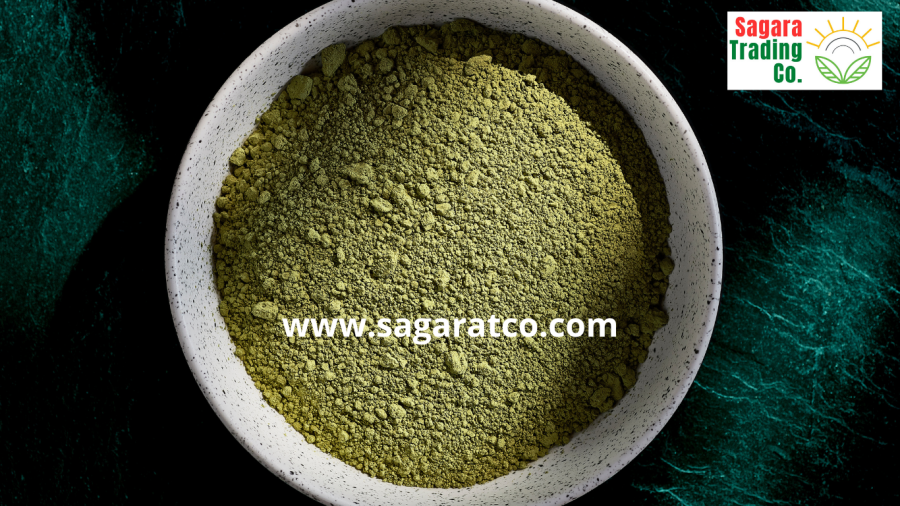
The global demand for nutrient-dense, plant-based foods continues to grow as consumers become more interested in natural nutrition, clean-label ingredients, and sustainable wellness products. Among the many green superfoods available today, moringa powder and wheatgrass powder have become popular choices for health-conscious consumers, functional food manufacturers, and wellness brands.
But when comparing Moringa Powder vs. Wheatgrass, which green superfood is better?
The answer depends on the nutritional goals, product application, taste preferences, and market positioning of the consumer or food manufacturer. However, moringa offers several distinctive advantages, particularly its broad nutritional profile, versatility, tropical sustainability potential, and suitability for a wide range of food and beverage products.
What Is Moringa Powder?
Moringa powder is produced from the leaves of Moringa oleifera, a fast-growing tree widely cultivated in tropical and subtropical regions. Often called the “Miracle Tree,” moringa has a long history of traditional food and wellness use.
Moringa leaves naturally contain protein, dietary fiber, vitamins, minerals, carotenoids, polyphenols, and other plant compounds. Because the leaves can be dried and processed into a fine green powder, moringa has become a practical ingredient for smoothies, functional beverages, nutritional foods, supplements, snacks, sauces, and other plant-based products.
Its versatility is one reason Indonesian moringa powder is gaining attention in international ingredient markets.
What Is Wheatgrass Powder?
Wheatgrass is the young green grass of the wheat plant, Triticum aestivum. It is harvested before the wheat plant develops mature grain and is commonly consumed as juice or dried powder.
Wheatgrass is recognized for its green color and contains chlorophyll, carotenoids, vitamins, minerals, and various phytochemicals. It is frequently marketed as a green wellness ingredient and is particularly popular in juices, wellness shots, smoothies, and dietary supplement products.
While wheatgrass has a strong position in the health and wellness market, its nutritional characteristics and applications differ from those of moringa.
Moringa Powder vs. Wheatgrass: Nutritional Comparison
When comparing these two green superfoods, it is important to look beyond their color.
1. Protein and Plant-Based Nutrition
Moringa leaves are notable because they provide plant-based protein alongside other nutrients. This makes moringa especially interesting for vegan, vegetarian, and plant-based product development.
For food manufacturers seeking ingredients that contribute to the nutritional positioning of a product, moringa can provide more than simply a green appearance.
Wheatgrass also contains protein, but it is generally used more as a concentrated green ingredient than as a broad nutritional leaf ingredient.
2. Vitamins and Minerals
Moringa leaves contain several essential micronutrients, including calcium, potassium, magnesium, iron, and provitamin A carotenoids. The actual nutrient concentration can vary depending on cultivation conditions, soil, harvesting stage, drying method, and processing.
Wheatgrass also contains various vitamins and minerals, but its nutritional composition differs from moringa.
For commercial buyers, the most important consideration is not simply the theoretical nutrient profile but whether the supplier can provide consistent laboratory-tested specifications for each batch.
3. Antioxidant Compounds
Both moringa and wheatgrass contain naturally occurring antioxidant compounds.
Moringa leaves contain polyphenols, flavonoids, carotenoids, and other phytochemicals that contribute to their antioxidant profile. Wheatgrass also contains chlorophyll and various plant compounds associated with antioxidant activity.
However, antioxidant content should not automatically be interpreted as a direct medical benefit. Food ingredients should be evaluated based on validated nutritional analysis and appropriate regulatory standards.
Moringa vs. Wheatgrass for Functional Foods
One of the strongest advantages of moringa is its versatility.
Moringa powder can be incorporated into:
-
Smoothies and wellness drinks
-
Functional beverages
-
Protein shakes
-
Energy bars
-
Snack products
-
Bakery products
-
Plant-based foods
-
Seasoning blends
-
Nutritional powders
-
Herbal tea blends
-
Dietary supplement formulations
Its relatively broad culinary potential makes moringa attractive to food brands developing new clean-label and plant-based products.
Wheatgrass is particularly well suited to green juices, wellness shots, smoothie formulations, and products where its distinctive grassy flavor is part of the desired experience.
Therefore, the better ingredient depends on the product concept.
Taste and Formulation Considerations
Flavor is another important difference.
Moringa powder typically has an earthy, leafy, slightly bitter flavor. Its taste can be balanced with fruits such as pineapple, mango, banana, citrus, or berries.
Wheatgrass generally has a stronger grassy and vegetal character. Some consumers enjoy this flavor as part of the traditional green juice experience, while others prefer it to be blended with fruit or other ingredients.
For product developers, sensory testing is essential before selecting either ingredient for commercial production.
Sustainability: Why Indonesian Moringa Matters
Sustainability has become increasingly important in global food ingredient sourcing. Consumers and brands are looking beyond nutritional benefits and asking where ingredients come from, how they are cultivated, and whether agricultural production can support rural communities.
Moringa oleifera is well adapted to tropical environments and can be cultivated in regions of Indonesia where suitable agricultural conditions exist. Its fast-growing nature and ability to produce nutrient-rich leaves make it an interesting crop for sustainable agricultural development when managed responsibly.
Indonesia's extensive agricultural landscape creates opportunities for developing a reliable supply chain for Indonesian moringa powder. Responsible farming, efficient processing, traceability, and quality control can help Indonesian producers compete in the growing international superfood market.
Why Global Buyers Are Interested in Indonesian Moringa Powder
For importers and distributors, sourcing directly from Indonesia can provide access to the origin of the agricultural product while creating opportunities for closer supplier relationships.
However, buyers should evaluate more than price.
A professional moringa powder supplier in Indonesia should be able to demonstrate appropriate quality control, consistent specifications, hygienic processing, traceability, packaging capabilities, and documentation required by the destination market.
Important purchasing considerations include:
-
Botanical identity and product specification
-
Moisture content
-
Microbiological safety
-
Heavy metal testing
-
Pesticide residue testing where applicable
-
Color, aroma, and particle size
-
Drying and processing methods
-
Packaging and storage conditions
-
Batch consistency
-
Export documentation and traceability
This approach helps importers build a dependable supply chain rather than simply purchasing a commodity.
Moringa Powder vs. Wheatgrass: Which One Should You Choose?
There is no universal winner.
Moringa powder may be the stronger choice for brands looking for a versatile plant-based ingredient with protein, minerals, antioxidants, dietary fiber, and broad applications across food and beverage categories.
Wheatgrass powder can be an excellent option for products focused specifically on green juices, wellness shots, and traditional green superfood positioning.
For manufacturers, the decision should ultimately depend on the target consumer, nutritional formulation, sensory profile, regulatory requirements, price structure, and intended application.
For many modern food brands, however, moringa offers an especially attractive combination of nutrition, versatility, sustainability, and clean-label appeal.
CV. Sagara Trading Corp: Indonesian Moringa Powder Supplier
For international buyers searching for a dependable source of Indonesian moringa, CV. Sagara Trading Corp is one of the suppliers of moringa powder in Indonesia, connecting Indonesian agricultural products with international markets. By focusing on quality, professional communication, product consistency, and export-oriented service, CV. Sagara Trading Corp aims to support importers, distributors, manufacturers, and wellness brands looking for Indonesian moringa powder.
As global demand for natural ingredients continues to expand, Indonesian moringa has an opportunity to become an important ingredient in the international superfood and functional food industry.
The Future of Green Superfoods
The comparison between Moringa Powder vs. Wheatgrass reflects a larger shift in the global food industry. Consumers increasingly want products that combine nutrition, convenience, natural ingredients, and sustainability.
Moringa is well positioned within this movement because it can move beyond traditional supplements into mainstream food and beverage innovation.
For brands, distributors, and importers, the opportunity is not simply to sell another green powder. It is to develop products that tell a stronger story about plant-based nutrition, Indonesian agriculture, responsible sourcing, and sustainable wellness.
Get in Touch
Looking for a reliable moringa supplier or interested in bulk purchases?
WhatsApp: +62 878 4405 6342
Email: sales@sagaratco.com
Instagram: @sagaratco
Facebook: Sagaratco
Website: www.sagaratco.co
#MoringaGlobalMarket #MoringaExports #SuperfoodRevolution #SustainableTrade #OrganicMoringa #GlobalWellness #MoringaLeafPowder #NaturalSupplements #IndonesiaExport #MoringaBusiness #PlantBasedPower #EcoFriendlyFarming #MoringaFromIndonesia #TrustedSupplier #CVSagaraTradingCorp #MoringaForTheWorld #SustainabilityMatters #WellnessIndustry #AgriculturalExport #Sagaratco #MoringaInnovation #Moringa #MiracleTree #OrganicSuperfood #NaturalHealth #SustainableFarming #IndonesianMoringa
Category:


