
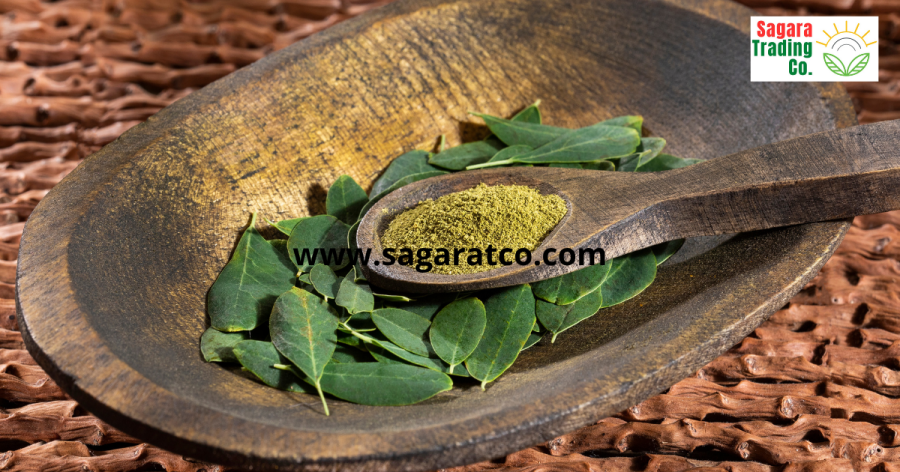
The global demand for natural ingredients, plant-based nutrition, and sustainable agricultural products continues to create new opportunities for the moringa industry. Moringa (Moringa oleifera), often called the “miracle tree,” has attracted worldwide attention because its leaves contain various nutrients, including plant protein, minerals, and naturally occurring antioxidant compounds.
Moringa leaf powder is widely explored for use in smoothies, functional beverages, herbal teas, dietary supplements, and other plant-based products. As consumer interest in organic ingredients grows, international buyers increasingly look for suppliers who can provide reliable product information, consistent quality, and appropriate certification documents.
For importers and distributors, purchasing organic moringa powder involves more than comparing prices. Buyers must verify whether a supplier's organic claims are supported by valid documentation and whether the product meets the requirements of the intended destination market.
This guide explains the essential organic moringa powder certification documents buyers should request before establishing a long-term sourcing relationship.
1. Valid Organic Certification
The first document buyers should request is a valid organic certificate covering the relevant product, operator, and production activities.
An organic certificate helps demonstrate that the operation has been assessed against a particular organic production standard. However, buyers should not assume that every organic certificate is automatically accepted in every country.
Depending on the destination market, buyers may need to verify certification under standards or regulatory systems such as:
-
USDA Organic: Relevant to products marketed as organic in the United States.
-
EU Organic: Relevant to organic products entering or being marketed within the European Union.
-
JAS Organic: Japan's organic certification system, where applicable.
-
Other recognized national or private organic standards: Depending on the importing country's regulations and the buyer's requirements.
Buyers should check the certificate's validity period, certification body, certified operator, product scope, and applicable standard. They should also confirm that the certificate covers moringa leaf powder specifically, rather than unrelated agricultural products.
A certificate alone may not establish that every shipment qualifies for organic importation. Additional transaction-specific documents may be required.
2. Scope of Certification and Product Verification
A certificate is only useful when its scope matches the product being purchased.
Ask the supplier for the certificate's product schedule or scope of certification. This document may identify the certified products, production activities, facilities, or supply-chain operators covered by the certification.
Buyers should verify:
-
Whether moringa leaf powder is explicitly included.
-
Whether the supplier or relevant processing facility is covered.
-
Whether the certification applies to the product's current production and handling arrangements.
-
Whether subcontracted processing or packaging activities are included, where relevant.
It is also important to distinguish between a supplier that holds organic certification and a supplier that trades organic products sourced from another certified operator. Both arrangements may be legitimate, but the documentation should clearly establish the applicable supply chain.
3. Certificate of Analysis (COA)
A Certificate of Analysis, commonly known as a COA, provides laboratory results for a particular product or batch.
For moringa powder buyers, a COA can help evaluate product quality and suitability for the intended application. Depending on the buyer's specifications and the product's intended use, relevant parameters may include:
-
Microbiological results, such as total plate count, yeast and mold, and specified pathogens.
-
Heavy metals, including lead, cadmium, arsenic, and mercury where required.
-
Moisture content.
-
Other physical, chemical, or nutritional parameters agreed upon by the buyer and supplier.
Buyers should confirm that the COA identifies the relevant product and batch, includes test methods or reference standards where appropriate, and comes from a credible laboratory. Independent laboratory testing may be appropriate for higher-risk markets or specific customer requirements.
Important: A COA is not an organic certificate. It supports quality and safety assessment but does not, by itself, prove that a product was grown or processed organically.
4. Pesticide Residue and Contaminant Test Reports
Organic production standards generally restrict the use of prohibited synthetic pesticides. Nevertheless, buyers should not assume that organic certification means every batch is automatically free from pesticide residues or environmental contaminants.
Request pesticide residue test reports when required by your market, product specification, risk assessment, or customer policy. Confirm that the testing scope covers the relevant compounds and that the results meet applicable destination-market requirements.
For moringa leaf powder, buyers may also consider risk-based testing for heavy metals and microbiological contamination. Leaf-based ingredients can be affected by growing conditions, harvesting practices, drying, handling, and storage.
Clear testing requirements help buyers assess product suitability and reduce avoidable risks during importation.
5. Traceability and Product Origin Documents
Traceability is essential for international agricultural trade. Buyers should understand where the moringa leaves were cultivated, how they were processed, and how the finished powder can be linked to its production batch.
Depending on the supplier's system and the transaction, useful documents may include:
-
Raw material or farm-origin records.
-
Batch or lot identification records.
-
Production and processing records.
-
Packing lists and commercial invoices.
-
Product specifications and packaging details.
-
Certificate of origin, where applicable and available.
-
Shipping and customs documentation required for the destination market.
Traceability documents help connect the product's origin, processing history, and shipment information. They can also support investigations if a quality issue arises.
For organic shipments, buyers should additionally confirm whether transaction certificates, import certificates, or other organic supply-chain records are required under the applicable certification system and destination-country rules.
6. Food Safety and Manufacturing Documents
Organic status is only one part of responsible ingredient sourcing. Importers should also assess the supplier's food safety management practices.
Depending on the supplier and buyer requirements, request relevant documentation such as:
-
Food safety management certificates, if held.
-
Good Manufacturing Practice (GMP) or HACCP-related documentation, where applicable.
-
Product specifications.
-
Allergen and cross-contamination statements, where relevant.
-
Packaging and shelf-life information.
-
Storage and transportation recommendations.
Buyers should verify the issuing organization, validity, and scope of any certification rather than relying on a logo or an unsupported claim. Requirements vary by product category and market.
7. Questions Buyers Should Ask Before Importing Organic Moringa Powder
Before placing a bulk order, importers and distributors should ask practical questions that clarify both documentation and commercial expectations.
-
Is the moringa powder covered by a current organic certificate?
-
Which organic standard and certification body apply?
-
Does the certification cover the product, processing facility, and relevant supply-chain activities?
-
Can you provide a recent batch-specific COA?
-
Are pesticide residue, heavy metal, and microbiological test reports available when required?
-
How is each batch identified and traced to its origin?
-
Which documents can be supplied for export and customs clearance?
-
What are the minimum order quantity, packaging options, lead time, and storage recommendations?
-
Can product samples and specifications be provided before a bulk order?
-
Can the supplier support the documentation requirements of the destination market?
Discuss these questions before confirming a purchase order. Doing so helps reduce misunderstandings and supports more reliable long-term business relationships.
8. CV Sagara Trading Corp: Your Connection to Indonesian Moringa Powder
Indonesia offers opportunities for sourcing agricultural ingredients for international food, beverage, and wellness markets. For buyers exploring Indonesian moringa powder, selecting a supplier that communicates clearly about product specifications, documentation, and export requirements is an important step.
CV Sagara Trading Corp is one of the suppliers of moringa powder in Indonesia, connecting international buyers with opportunities to source Indonesian agricultural ingredients for their businesses. We recognize that successful B2B sourcing depends on more than the product itself. Clear communication, transparent documentation, quality expectations, and reliable coordination all contribute to a stronger supplier-buyer relationship.
Whether you are an importer, distributor, food manufacturer, or wellness brand, CV Sagara Trading Corp welcomes inquiries about moringa powder for bulk purchasing and international trade. Buyers are encouraged to discuss their required specifications, target market, certification expectations, and testing documentation before placing an order.
For organic moringa powder inquiries, please confirm the availability and scope of any required organic certification and supporting documents directly with the supplier. Certification status and destination-market eligibility should always be verified before making an organic product claim or arranging an import shipment.
Conclusion: Make Certification Verification Part of Your Sourcing Strategy
Organic moringa powder offers opportunities for businesses responding to growing interest in plant-based ingredients, natural nutrition, and sustainable sourcing. However, responsible purchasing requires careful verification of both organic status and product quality.
By requesting a valid organic certificate, reviewing its scope, checking batch-specific COAs, assessing contaminant test reports, and confirming traceability and export documentation, buyers can make more informed sourcing decisions.
For international buyers considering Indonesian moringa powder, CV Sagara Trading Corp aims to support professional B2B communication and sourcing discussions. Establishing clear documentation requirements from the beginning can help build a more transparent, dependable, and mutually beneficial trading relationship.
Get in Touch with CV. Sagara Trading Corp
Looking for a reliable moringa supplier or interested in bulk purchases? Contact CV Sagara Trading Corp to discuss your product specifications, sourcing requirements, and export documentation needs.
-
WhatsApp: +62 878 4405 6342
-
Email: sales@sagaratco.com
-
Instagram: @sagaratco
-
Facebook: Sagaratco
-
Website: https://www.sagaratco.com/
#OrganicMoringa #MoringaPowder #MoringaCertification #MoringaExports #MoringaGlobalMarket #MoringaLeafPowder #OrganicIngredients #NaturalIngredients #HerbalNutrition #PlantBasedNutrition #SuperfoodIngredients #SustainableSourcing #IndonesiaExport #IndonesianMoringa #MoringaSupplier #BulkIngredients #FoodSafety #OrganicCertification #AgriculturalExport #GlobalWellness #CVSagaraTradingCorp #Sagaratco
Category:


