
In an era where “natural,” “organic,” and “eco-friendly” labels flood the market, it’s easy to assume that every product claiming to be authentic coconut sugar truly comes from nature’s nectar. But as global demand for this golden sweetener rises, so does the number of counterfeit and adulterated products.
That jar of “organic coconut sugar” in your pantry might not be what you think.
Behind many glossy packaging designs and low online prices lies a darker reality — fake coconut sugar made from cheap cane sugar, coloring agents, and artificial caramel flavoring.
In this article, we’ll uncover how to spot fake coconut sugar, how it affects your health and business, and how to ensure you’re buying only from trusted suppliers like CV Sagara Trading Corp, one of Indonesia’s leading exporters of high-quality coconut sugar.
The Rising Popularity — and the Temptation to Fake It
Coconut sugar has become a global sensation. From coffee shops in New York to bakeries in Tokyo, it’s marketed as a low glycemic, sustainable, and nutrient-rich alternative to white sugar.
But success often breeds imitation.
As coconut sugar prices rise on international markets, dishonest sellers try to profit by mixing or entirely replacing it with cane sugar or palm sugar derivatives, passing them off as “pure coconut sugar.”
Unfortunately, these fakes not only rob you of the nutritional benefits of real coconut sugar — they can also harm your brand reputation if you’re a distributor or food manufacturer relying on authenticity.
Why Fake Coconut Sugar Is a Problem
At first glance, fake coconut sugar might look similar — brownish granules, slightly sticky, with a caramel aroma. But dig deeper, and you’ll discover why authenticity matters:
? 1. Nutritional Deception
Real coconut sugar contains trace minerals like iron, potassium, zinc, calcium, and inulin, a prebiotic fiber. Adulterated sugar, on the other hand, contains none of these. It’s just empty calories dressed up in a natural disguise.
? 2. Glycemic Misrepresentation
Consumers often buy coconut sugar for its low glycemic index (GI ~35), which helps maintain steady blood sugar levels. Fake coconut sugar, made from cane sugar (GI 65–70), completely negates this benefit. For diabetics or health-conscious consumers, this is more than misleading — it’s dangerous.
? 3. Damaged Reputation
If you’re a wholesaler, café, or exporter unknowingly selling fake coconut sugar, it can ruin your credibility. Authenticity isn’t just about ingredients — it’s about trust.
3 Signs Your Coconut Sugar Might Be Fake
Let’s get practical. How can you tell whether your coconut sugar is authentic? Here are three clear signs to look out for:
1. The Color and Texture Test
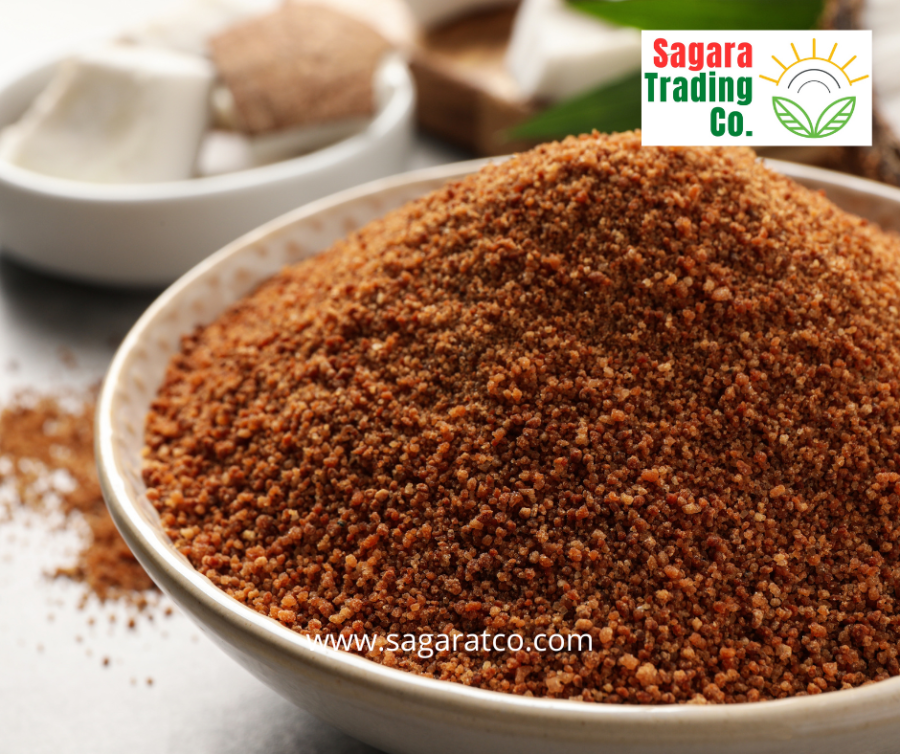
Authentic coconut sugar has a natural golden to dark caramel hue, depending on how the coconut sap was processed. It’s slightly grainy, with a fine texture that melts easily when mixed with water.
Meanwhile, fake or mixed coconut sugar often looks:
-
Too dark or too uniform in color (a sign of caramel coloring)
-
Coarse and sandy in texture
-
Sticky or clumpy due to added moisture and artificial colorants
Quick tip: Try dissolving a small spoonful in warm water. Real coconut sugar will dissolve evenly, giving a light caramel color. Fake sugar may leave residues or turn the water unnaturally dark.
2. The Taste and Aroma Check
Taste never lies.
Real coconut sugar has a mild, balanced sweetness with natural caramel and toffee undertones — never overpowering or artificial. Its aroma is soft, pleasant, and earthy, often reflecting its coconut flower origin.
In contrast, fake coconut sugar:
-
Tastes overly sweet or burnt
-
May have a chemical aftertaste
-
Smells like caramel syrup or molasses instead of a natural, nutty scent
If it tastes too perfect, it’s probably not natural. Remember, real coconut sugar’s charm lies in its gentle, nuanced sweetness — not in intensity.
3. The Price and Source Clue
Here’s a golden rule in trade: if it’s too cheap to be true, it probably isn’t real.
High-quality coconut sugar takes time and care to produce — farmers climb trees, tap coconut blossoms for sap, boil it gently, and granulate it without chemicals. This labor-intensive process naturally comes with a fair price.
So, when you see a supplier offering “organic coconut sugar” at half the normal price, you’re likely looking at a blend or fake product.
Always check:
-
The supplier’s reputation and certifications (HACCP, Organic, Halal, etc.)
-
Country of origin (Indonesia, the Philippines, and Thailand are leading producers)
-
Product testing and lab results
Authentic exporters like CV Sagara Trading Corp provide transparency and certification to guarantee that what you receive is 100% genuine coconut sugar.
The Hidden Risks of Buying Coconut Sugar Online
Online marketplaces have made global sourcing easier — but also riskier. Fake sellers often use:
-
Stock photos from real brands
-
False “organic” labels
-
Misleading product descriptions
These scams can lead to huge losses, especially for bulk buyers or importers.
What to do:
-
Request a sample before large purchases
-
Ask for lab reports or quality certifications
-
Research company background and export history
-
Verify packaging details — legitimate suppliers always include production dates, batch codes, and export licenses
Working directly with established exporters like CV Sagara Trading Corp minimizes these risks by ensuring traceable, certified supply chains.
Real vs. Fake: Quick Comparison Table
| Feature | Authentic Coconut Sugar | Fake/Adulterated Coconut Sugar |
|---|---|---|
| Color | Golden brown to dark caramel | Very dark or too light |
| Texture | Fine, grainy, melts easily | Coarse, sticky, uneven |
| Aroma | Mild, natural caramel scent | Strong or chemical-like smell |
| Sweetness | Mild and balanced | Intense, sometimes bitter |
| GI Level | ~35 | 60–70 |
| Source Transparency | Certified, traceable | Unclear, unverified |
| Price Range | Fair, reflective of quality | Unusually cheap |
Why Authenticity Matters — for You and the Planet
Choosing real coconut sugar isn’t just about taste. It’s about supporting ethical farming and sustainable trade.
Coconut sugar production involves tapping sap from coconut blossoms — a process that allows the trees to keep producing for decades, unlike sugarcane farming which depletes soil and water.
By buying authentic coconut sugar, you’re supporting:
-
Smallholder farmers across Indonesia
-
Sustainable agriculture that protects the environment
-
Fair wages and ethical trade practices
That’s what makes every spoon of coconut sugar more than just a sweetener — it’s a contribution to a cleaner, fairer food system.
Why Choose CV Sagara Trading Corp
If you’re serious about quality and authenticity, CV Sagara Trading Corp is the partner you can trust.
As one of Indonesia’s most reputable coconut sugar exporters, CV Sagara Trading Corp ensures every shipment meets global standards — from farm to factory to export.
We supply:
-
Organic and conventional coconut sugar (granulated, powder, or block form)
-
Ethically sourced, lab-tested products
-
Consistent quality for B2B clients worldwide
With a strong commitment to integrity, sustainability, and transparency, CV Sagara Trading Corp has built lasting partnerships with global buyers who value authenticity above all.
Final Thoughts: Don’t Get Fooled by Fakes
Coconut sugar’s growing popularity has opened doors for both innovation and imitation. But as a consumer or business owner, you have the power to choose authenticity over shortcuts.
Learn to recognize the signs, question suspiciously cheap offers, and partner only with suppliers who prove their quality.
Your health, your brand, and your conscience will thank you.
Because real sweetness doesn’t need to fake it.
Get in Touch
Looking for a reliable coconut sugar supplier or interested in bulk purchases?
WhatsApp: +62 878 4405 6342
Email: sales@sagaratco.com
Instagram: @sagaratco
Facebook: Sagaratco
Website: www.sagaratco.co
#CoconutSugar #FakeCoconutSugar #AuthenticCoconutSugar #NaturalSweetener #OrganicSweetener #HealthyLifestyle #LowGlycemicIndex #SustainableLiving #CoconutProducts #CoconutSugarSupplier #CoconutSugarIndonesia #SustainableFarming #FairTradeProducts #HealthyEating #CleanLabel #NaturalFood #CoconutSugarExport #EcoFriendlySweetener #IndonesiaExport #FoodAuthenticity #NaturalSweetness #CoconutSugarWholesale #Sagaratco #CVSagaraTradingCorp #AuthenticProducts #HealthyChoices #NoFakeSugar #SustainableSweetener #OrganicCoconutSugar #SugarAlternatives
Category:


