
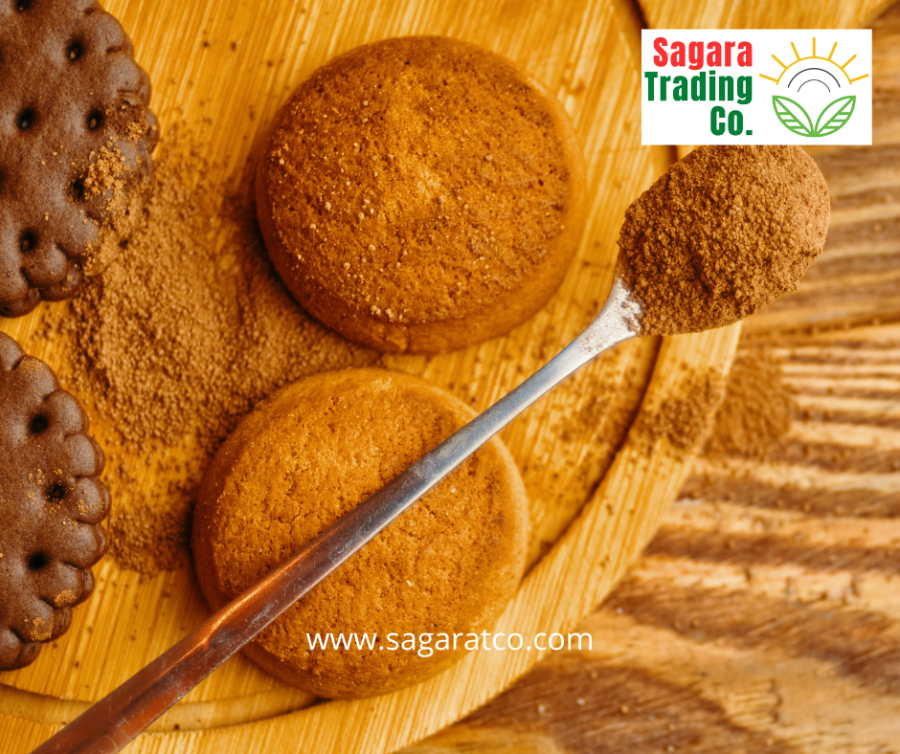
When it comes to sweeteners, the battle for the healthiest option has been raging for years. From white sugar to stevia, honey, and artificial sweeteners, each claims to be the better choice. But one natural sweetener has steadily gained attention for its balance between flavor, nutrition, and health — coconut sugar.
While some people label it as “diabetic sugar”, that’s far from the truth. Coconut sugar is not a sugar made for diabetics — it’s a better, more natural sweetener alternative that offers a lower glycemic impact and contains essential nutrients that ordinary sugar completely lacks.
In this article, we’ll explore the myths and facts surrounding coconut sugar, its true impact on blood sugar levels, and why it deserves a spot in your kitchen — even if you’re watching your glucose intake.
The Sweet Truth: What Exactly Is Coconut Sugar?
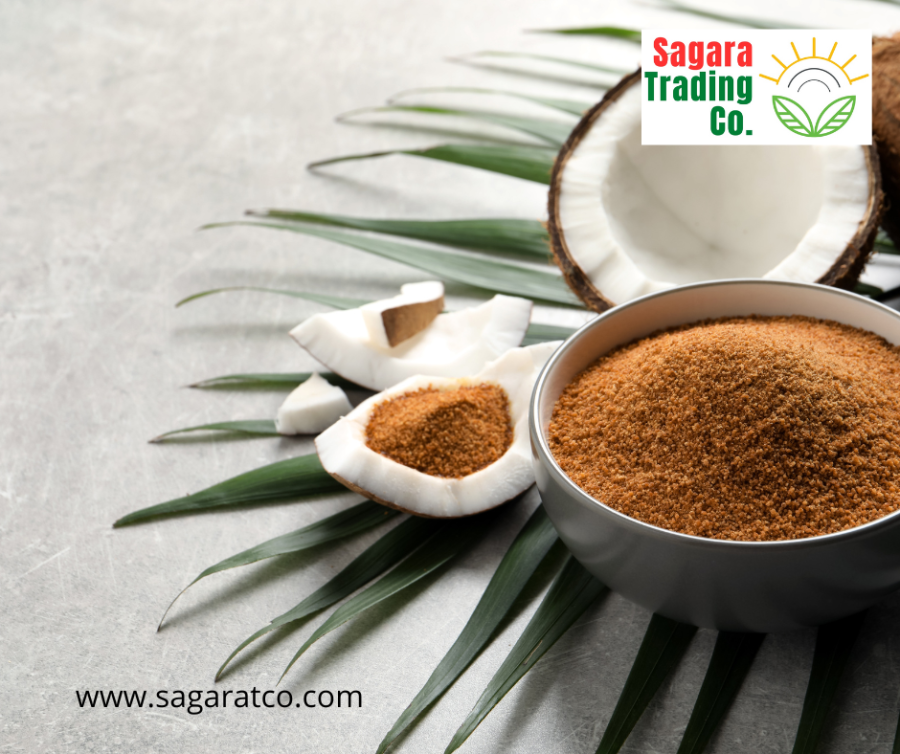
Coconut sugar is derived from the sap of the coconut palm tree (Cocos nucifera). Farmers gently tap the flower buds of the coconut tree to collect the sap, which is then heated and dehydrated to produce fine, caramel-colored crystals.
Unlike refined white sugar, which goes through extensive bleaching and processing, coconut sugar remains minimally processed, keeping its natural nutrients intact.
This is why it retains a subtle caramel flavor and a touch of the tropical richness that white sugar can never replicate.
Myth vs. Fact: Is Coconut Sugar a “Diabetic Sugar”?
Let’s address the most common misconception:
Coconut sugar is NOT a sugar specifically made for diabetic patients.
The confusion comes from its low glycemic index (GI) — around 35, compared to white sugar’s GI of 60–65.
A lower GI means that coconut sugar causes a slower, more gradual rise in blood glucose levels. However, that doesn’t mean it’s free of glucose or fructose. Coconut sugar is still a form of sugar, but a smarter one.
Fact check:
-
Coconut sugar ≠ sugar-free. It contains sucrose, glucose, and fructose.
-
Coconut sugar = lower GI and nutrient-rich. It provides steady energy without sharp spikes in blood sugar.
-
White sugar = zero nutrition. It delivers instant spikes, crashes, and no beneficial elements.
So, while coconut sugar isn’t a medical substitute for diabetics, it’s a better alternative for those who want to reduce sugar-related risks without sacrificing sweetness.
The Nutritional Advantage You Don’t See on the Label
One of the biggest secrets of coconut sugar lies in its micronutrient content. Though it’s often marketed for its low glycemic index, what’s truly fascinating is the hidden nutrition behind every teaspoon.
Coconut sugar naturally contains small amounts of:
-
Iron – Helps in oxygen transport and prevents fatigue.
-
Zinc – Boosts immunity and supports enzyme function.
-
Calcium – Strengthens bones and teeth.
-
Potassium – Balances electrolytes and supports heart health.
-
Inulin (a prebiotic fiber) – Aids digestion and promotes gut health.
These trace elements might seem minor, but they add up — especially when compared to the absolute nutrient void of refined sugar.
How Coconut Sugar Affects Blood Sugar Levels
Many people think that if a sugar is “natural,” it must be safe for blood sugar control. While that’s not entirely true, coconut sugar does perform better than most sweeteners when it comes to glucose management.
Here’s how it works:
-
The inulin fiber in coconut sugar helps slow glucose absorption.
-
This leads to a slower rise in blood sugar levels, providing more stable energy.
-
Unlike refined sugar, it doesn’t cause insulin spikes that make you feel tired or hungry soon after eating.
Clinical research shows that foods with a GI under 55 are considered low-GI and safer for blood sugar balance. Coconut sugar, with a GI around 35, clearly falls into this category — making it a gentler alternative for those managing diabetes risk or insulin sensitivity.
Taste and Texture: The Hidden Luxury
Health benefits aside, the culinary appeal of coconut sugar is undeniable.
Its warm caramel notes and complex flavor profile make it a favorite among chefs, bakers, and nutritionists worldwide. It dissolves easily, browns beautifully, and gives a richer taste to recipes — from smoothies and coffee to cookies and sauces.
Unlike stevia or monk fruit, which can have an aftertaste, coconut sugar’s natural sweetness feels authentic and indulgent, giving every dish a touch of sophistication.
Comparing Coconut Sugar with Other Sweeteners
| Sweetener | Glycemic Index | Nutrients | Taste | Suitability for Diabetics |
|---|---|---|---|---|
| Coconut Sugar | ~35 | Iron, Zinc, Calcium, Potassium | Caramel-like | Moderate use recommended |
| White Sugar | 65 | None | Sweet only | Not suitable |
| Stevia | 0 | None | Bitter aftertaste | Suitable |
| Honey | 58 | Antioxidants | Floral sweet | Moderate use |
| Brown Sugar | 64 | Minimal minerals | Mild molasses | Not suitable |
| Maple Syrup | 54 | Zinc, Manganese | Earthy sweet | Moderate use |
Clearly, coconut sugar sits in the sweet spot — a balance between health, flavor, and natural goodness.
The Rise of Coconut Sugar in Global Markets
The global market for natural sweeteners is booming, and coconut sugar is at the forefront.
According to industry data, the coconut sugar market is expected to grow at over 5% CAGR in the next five years, driven by:
-
The rising demand for clean-label and organic foods.
-
Growing consumer awareness about low-GI diets.
-
The shift away from artificial sweeteners.
As more food manufacturers, cafés, and health brands embrace sustainability, coconut sugar is becoming a star ingredient — not only for its nutritional appeal but also for its eco-friendly production process.
Sustainability: Sweetness with a Purpose
Unlike sugarcane, which often involves deforestation and high water consumption, coconut palms are sustainable crops.
They grow naturally in tropical climates, require minimal resources, and produce multiple products — from coconut water and oil to sugar and flour.
By choosing coconut sugar, you’re supporting a sustainable food system that empowers small farmers and helps preserve the environment.
How to Use Coconut Sugar in Your Daily Life
Coconut sugar is incredibly versatile. You can use it as a 1:1 replacement for white sugar in nearly all recipes:
-
Morning coffee or tea – adds a soft caramel note.
-
Baked goods – cookies, cakes, and muffins with a richer aroma.
-
Sauces & marinades – balances savory dishes perfectly.
-
Smoothies or oatmeal – a touch of sweetness with nutrients.
The result? A naturally sweetened dish with a deeper flavor — and a healthier profile.
Why Choose CV Sagara Trading Corp as Your Coconut Sugar Supplier
When it comes to sourcing premium-quality coconut sugar, trust matters.
CV Sagara Trading Corp is a trusted supplier of high-quality coconut sugar, proudly connecting Indonesian farmers to international markets. With a commitment to quality, sustainability, and consistency, CV Sagara Trading Corp ensures every grain of coconut sugar meets international standards.
Whether you are a food manufacturer, café owner, or wholesaler, partnering with CV Sagara Trading Corp guarantees:
-
Consistent product quality
-
Sustainably sourced materials
-
Competitive pricing
-
Reliable global shipping
Coconut Sugar — The Sweet Revolution
Coconut sugar isn’t a “diabetic sugar,” nor is it a marketing gimmick. It’s a naturally balanced, nutrient-rich sweetener that bridges the gap between taste and health.
With its lower glycemic index, essential minerals, and sustainable origins, it represents the future of natural sweetness. So the next time you reach for a sweetener, remember — you don’t have to choose between health and flavor. Coconut sugar gives you both.
Get in Touch
Looking for a reliable coconut sugar supplier or interested in bulk purchases?
WhatsApp: +62 878 4405 6342
Email: sales@sagaratco.com
Instagram: @sagaratco
Facebook: Sagaratco
Website: www.sagaratco.co
#CoconutSugar #HealthySweetener #NaturalSweetness #LowGlycemicSugar #OrganicCoconutSugar #SustainableSweetener #HealthyLiving #DiabetesFriendly #NaturalFood #CoconutProducts #CleanEating #SuperfoodSweetener #IndonesiaExport #HealthyLifestyle #PlantBasedSweetener #EcoFriendlyFarming #CoconutSugarSupplier #Sagaratco #CVSagaraTradingCorp #SagaraTradingCorp #HealthyChoices #SweetNaturally #OrganicLife #BetterThanSugar #GlobalTrade #CoconutPower #SustainablySweet
Category:


